
The Two Halves of a Reliable Elog System
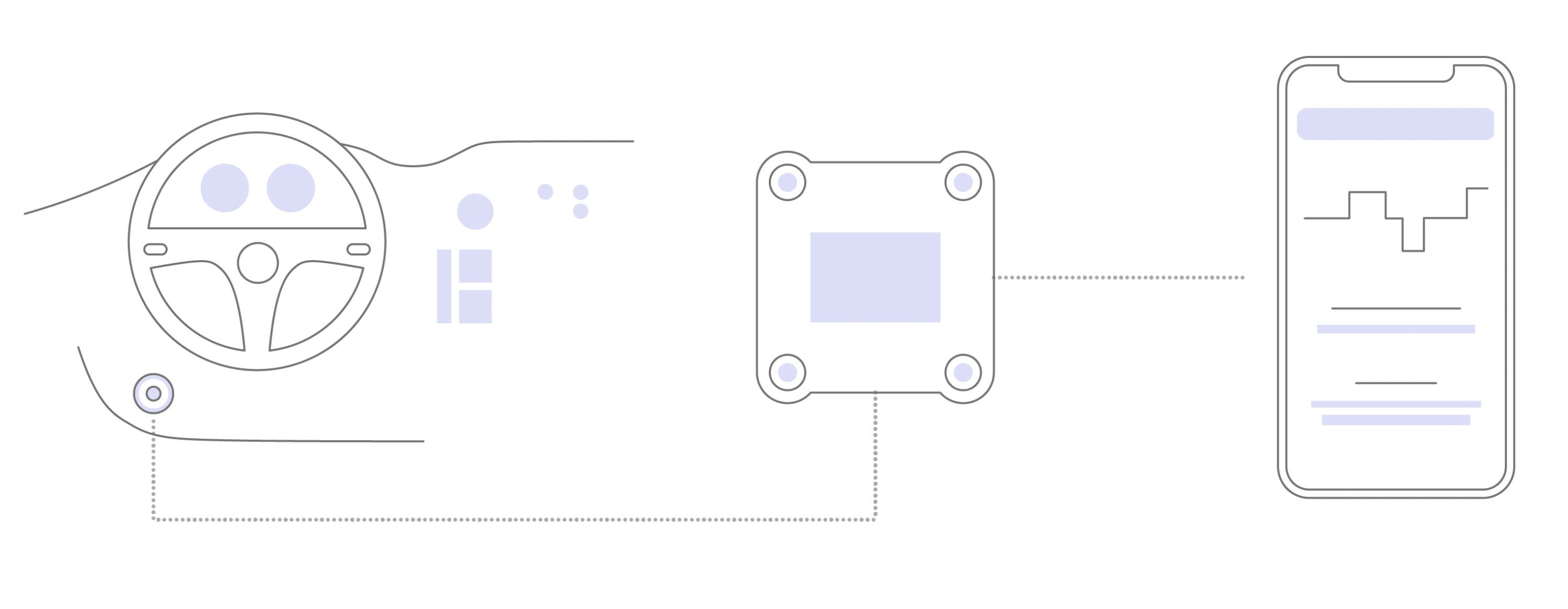
A reliable elog isn’t one thing. It’s two systems working together: the hardware in the truck and the software you use every day. If either side is weak, you feel it on the road.

The Hardware (The Foundation)
The ECM device has to hold a solid physical connection and read engine data consistently. When the device is low quality, it can vibrate loose, read inconsistently, or fail to communicate properly with the truck. That’s when drivers start seeing “Power” and “Data” problems — exactly the kind of issue that turns a normal day into a troubleshooting session.
In simple terms: if the hardware can’t read the truck correctly, your logs won’t stay clean.
The Software (The Interface)
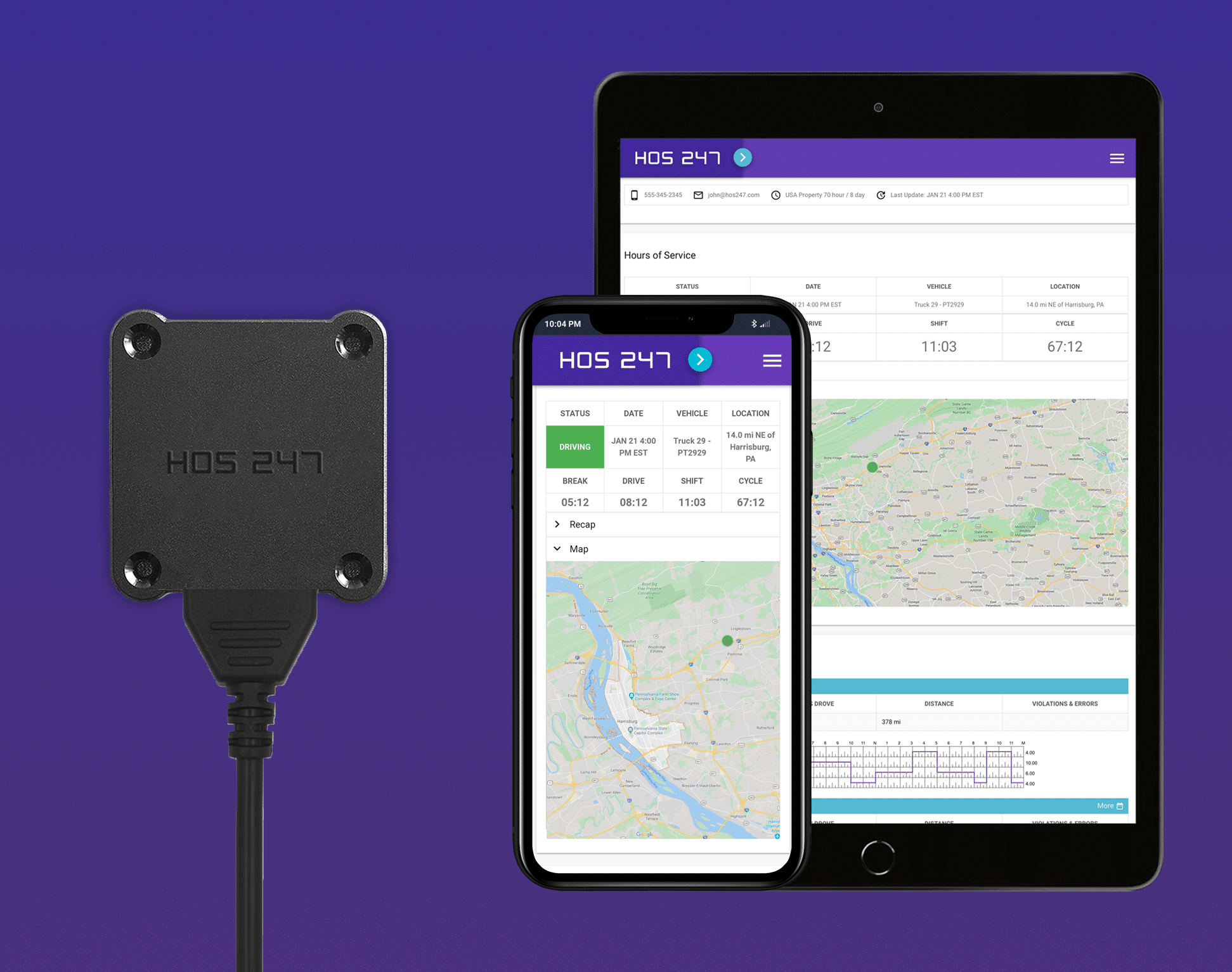
The app is where you live. You’re not trying to “explore features”, you’re trying to change duty status fast, review your log grid, and be ready for an inspection without a fight.
A good app should be:
- Easy to read (large text, clear contrast).
- Simple to navigate (no digging through menus).
- Stable (no crashes, no random log-sync issues).
- Fast (quick status changes and log access).
If the app is confusing or glitchy, it adds stress every day, not just during stops.
The Handshake (Connectivity)
The third piece is the link between them. Hardware and software have to stay connected so the log grid stays current. This is where many truck driver elogs systems fall apart: the connection drops, the app lags behind what the truck is doing, and drivers end up wondering if the logs are accurate.
A strong system is built to keep that connection stable and recover quickly if it drops. The goal is simple: you shouldn’t have to babysit your elog to make sure it’s working.
When hardware is solid, the app is clean, and the connection stays stable, electronic logs stop being a daily problem. They become what they should have been all along: a tool that runs in the background while you focus on driving.
Mastering the Roadside Inspection
Most drivers don’t worry about their elog when everything is running fine. The stress hits when an officer is standing at the window and you need your logs to load, look correct, and transfer without drama. A good system makes that moment simple. A bad one turns it into a scramble.
The “Three-Click” Rule
In a reliable setup, getting into Inspection Mode and starting a data transfer should take three clicks or less. If you have to dig through menus, hunt for the right screen, or wait for the app to catch up, you’re losing time and adding stress you don’t need during a stop.
Data Transfer Methods
ELDs are required to support data transfer methods such as telematics (wireless/web services) and local transfer (USB or Bluetooth). You don’t need to memorize the technical details, but you do need to know where the buttons are and which method your system uses.
- Telematics (wireless/web services). This is the most common method officers prefer. It sends the required information electronically through the system and is usually the smoothest option when everything is set up correctly.
- Local transfer (USB/Bluetooth). This is your backup method if wireless transfer isn’t working. A reliable system makes it easy to switch methods without starting over.
The Instruction Card
A lot of drivers focus on the app and forget the paperwork that goes with it. You’re required to carry:
- The ELD user manual.
- The data transfer instruction sheet.
- Information on how to report malfunctions and keep logs.
- A supply of blank paper logs (enough for 15 days).
Many providers give these as printable pages or in-app documents. The key is having them ready, not searching for them during an inspection.
The goal isn’t to “win” an inspection. It’s to get through it calmly and quickly. When your elog loads fast, the log grid is current, and the transfer steps are simple, inspections stop feeling like a surprise test and start feeling like a routine stop.
HOS247 Truck Driver Elogs Benefits: Built for the Real World
When you choose an elog, you’re choosing what kind of day you’re going to have when things go wrong. HOS247 is built for real road conditions: vibration, heat, long hours, and the reality that support needs don’t wait for business hours.
Reliability You Can Count On
HOS247 uses industrial-grade hardware built for the vibration and temperature swings of a truck cab. That matters because a loose connection or unstable device can create log issues at the worst moment. On the software side, the HOS247 app is built for stability so drivers spend less time dealing with crashes, sync problems, or screens that won’t load when they need them.
The goal is straightforward: your truck driver elogs should run consistently in the background, not demand your attention every day.
Efficient Technical Support
Trucking is not a 9-to-5 job. That’s why HOS247 support is available seven days a week. And when you call, you’re working with people who understand how electronic logs work in real situations, especially when you’re under time pressure.
Support is available in multiple languages: English, Spanish, Russian and Polish. That matters more than people think. When a driver is stressed and trying to solve an issue quickly, clear communication is the difference between a fast fix and wasted time.
No-Contract Freedom
A lot of “free hardware” offers come with long contracts. HOS247 takes a different approach: no-contract, flexible plans. You stay because the service works and the support shows up, not because you’re tied to a multi-year agreement.
For drivers and small fleets, that flexibility reduces risk. If your operation changes, you’re not stuck paying for a system that no longer fits.
A Complete Platform (Not Just Logs)
Electronic logs are the requirement, but the right system can also make the operation easier. HOS247 includes tools that many drivers and fleet owners actually use:
- Automated IFTA mileage. Instead of calculating mileage by hand, jurisdictional miles are tracked to make fuel tax reporting easier.
- GPS tracking. Real-time visibility supports dispatch coordination and can help with theft recovery when equipment goes missing.
- Vehicle diagnostics. Engine fault codes help you catch issues earlier, so small problems don’t turn into roadside breakdowns.
These aren’t “nice-to-have” extras when you’re running lean. They’re tools that can reduce wasted time and help you stay ahead of avoidable problems.
HOS247 is built for drivers who want truck driver elogs that stay stable, transfer smoothly during inspections, and come with support that actually answers. If you’re tired of fighting your device, dealing with unclear contracts, or waiting on email replies when you need help now, switching to a more dependable system can change your day-to-day experience and keep you on the road where you make money.
Why “Free” Hardware Can Be Expensive
A lot of drivers choose a system because the price looks good on day one. Low monthly fees. “Free” hardware. Easy promises. The problem is what happens later, when the real costs show up in contracts, downtime, and support that doesn’t help when you need it.
The Contract Trap
Many “free hardware” deals aren’t free. The device cost is usually built into a long contract, and the contract is what pays for it. That can mean you’re locked into a multi-year commitment with termination fees that make it hard to leave — even if the system isn’t working for you. You may save upfront, but you give up flexibility.
Downtime Costs More Than A Monthly Fee
If a subpar device fails, you lose time and time is money in trucking. If your elog won’t connect, won’t sync, or won’t transfer during a stop, you’re stuck troubleshooting instead of driving. If you hit a malfunction, you may have to revert to paper logs temporarily, and that’s one more thing to manage when you’re already busy.
The Support Gap
This is where low-cost providers cut corners. Some rely heavily on email-only support or chatbots. That’s fine for billing questions, but it’s useless when you’re parked, under pressure, and need a fast answer. If support is closed on weekends, a problem that could take five minutes to fix can cost you hours or force you into workarounds you shouldn’t have to deal with.
Cheap systems often “save” money in the wrong place. The real value is reliability and support. Those are the two things that keep you moving when the road doesn’t go as planned.
Turning Compliance into Efficiency
Once your elog is stable, you can use it for more than compliance. A good system gives you information that can reduce costs and keep the truck in service longer.
Idle Tracking
Idling burns fuel fast, especially over long weeks. When your system tracks idle time clearly, it’s easier to spot patterns — long warm-ups, extended waits, or habits that quietly drive up fuel spend. Small reductions add up over a year, especially for owner-operators.
Preventative Maintenance
If your platform includes vehicle diagnostics, you can use that information to plan maintenance instead of reacting to breakdowns. Fault codes and engine alerts can help you schedule oil changes and repairs before a problem becomes a roadside delay, tow bill, or missed load.
Driver Safety Scores (For Fleets)
For small fleets, safety-related data, like harsh braking or sharp cornering, can be used for coaching. The point isn’t to micromanage drivers. It’s to reduce risky habits that lead to collisions, violations, and higher insurance costs.
Extra features only matter if the system is reliable. But once you trust your logs, these tools can turn your elog from a compliance requirement into something that helps you run a tighter, more profitable operation.
Frequently Asked Questions About Truck Driver Elogs

Q: Can I edit my driving time on my elog?
No. Driving time is recorded automatically when the vehicle is in motion. You can add an annotation to explain a situation, and you can request certain corrections when appropriate, but you can’t shorten or erase recorded driving time.
Q: What happens if my elog device breaks?
If the device fails, you must notify the motor carrier as soon as possible and keep a record of the malfunction. You must maintain paper logs until the device is repaired or replaced. In most cases, the device must be repaired or replaced within 14 days. Keep documentation of the issue and follow your company’s process so you stay prepared if you’re asked about it during a roadside inspection.
Q: Are AOBRDs still legal?
AOBRDs are no longer accepted as a compliance option. The transition away from AOBRDs has been completed, and drivers subject to the ELD requirement must use a compliant ELD to record their hours of service.
If you’re not sure how your current system handles edits, malfunctions, or data transfers, check your user manual and instruction sheet. A reliable provider should also be able to explain these rules clearly without making you wait days for an answer.
Conclusion: Upgrade to a System That Actually Works for You
Truck driver elogs are not going away, but fighting with unreliable technology is optional. A dependable system is an investment in your business because it reduces stress, saves time, and helps you avoid downtime caused by connection issues, slow data transfers, or lack of support.
If your current setup feels like a daily battle — dropped connections, confusing menus, or long delays to get help — upgrading can pay for itself. Smooth inspections, accurate logs, and dependable support keep you moving, and staying on the road is how you protect your income.
HOS247 is built for the real world: stable hardware, a clean app experience, seven-day multilingual support, and flexible no-contract plans. If you want an elog you can rely on without getting locked into a long contract, HOS247 is a strong next step.

As an expert in B2B and B2C sales, I’ve dedicated myself to perfecting sales processes and client retention strategies in the logistics and trucking industry. I have significantly contributed to the expansion of the ELD service, catering to retail and wholesale clients in need of HOS247 ELD solutions. My unwavering commitment to implementing state-of-the-art sales techniques and technologies ensures the continuous growth and success of businesses I work with.











Fleet managers have a monumental responsibility in the trucking industry. Their job is multifaceted and complex, and a reliable fleet management vehicle tracking system is one of the best ways to streamline it. This article will look at the positive
As a trucker, your electronic logging device (ELD) can be either your best friend or your biggest headache. With the Transport Canada mandate requiring ELDs for most commercial drivers, finding the right driving log app for Android isn’t just about

Navigating the world of commercial driving requires more than just the ability to maneuver a vehicle; it also involves a detailed approach to logging hours of service (HOS) as required by Transport Canada. These log books are indispensable for commercial