
Commercial Vehicles Subject to the Mandate
Electronic log requirements apply across commercial transportation sectors based on vehicle weight metrics, cargo characteristics, and passenger capacity. Under federal regulations, electronic logging mandates apply to:
- Heavy commercial transports. Commercial vehicles operating in interprovincial commerce with a gross vehicle weight rating (GVWR), registered gross weight, or actual gross weight of 4,500 kilograms or higher. This threshold includes single-unit vocational trucks as well as tractor-trailer combinations where the total combined weight rating exceeds 4,500 kilograms.
- Placarded hazardous loads. Vehicles transporting dangerous goods in quantities that legally demand safety placards under federal dangerous goods regulations, regardless of total vehicle weight.
- Passenger transport fleets. Commercial vehicles designed or used to transport 11 or more passengers including the driver.
The requirement to deploy electronic logging hardware takes effect whenever a commercial driver must complete paper RODS for more than 14 days during any rolling 30-day timeline. Tracking this rolling window is essential for regional fleets that occasionally dispatch drivers past short-haul limits.

Regulatory Exemptions to Electronic Logging
Federal regulations under Section 77.1 identify statutory operational circumstances where commercial drivers do not need to install electronic logging devices (ELDs), allowing recordkeeping via employer daily time records or paper graph sheets:
- Pre-2000 vehicle chassis status. Commercial vehicles with a model year 1999 or older (as indicated on the official vehicle registration document) do not require electronic logging hardware due to ECM protocol compatibility limitations. Mandate eligibility relies strictly on the vehicle model year rather than retrofitted engine modifications. Fleet managers verifying pre-2000 status must confirm vehicle registration documentation during safety compliance audits.
- Short-haul operating radius. Drivers staying within a 160-kilometer radius who start and end shifts at their home terminal and return daily to take at least 8 consecutive hours of core off-duty rest are exempt from daily electronic logs. Motor carriers must retain accurate office daily time records recording driver start times, stop times, and total daily on-duty hours for at least six months.
- Intermittent paper logging. Operators operating under a permit or statutory exemption who are required to complete paper RODS for 14 days or fewer during any rolling 30-day window can remain on paper graph sheets without mounting logging hardware.
- Driveaway-towaway transport runs. Runs where the commercial vehicle being driven serves as the payload being delivered, or where an unladen motorhome or recreational vehicle trailer is transported in commercial transit.
- Short-term truck leases. Commercial motor vehicles operated under formal lease contracts lasting 30 days or fewer (that are not an extended or renewed rental of the same vehicle) qualify for paper log tracking during the rental period, provided lease documentation remains inside the cab.
Meeting federal rules requires seamless coordination between hardware beneath the dash and software on the display. While paper logs are no longer an option for standard long-haul routes, fleet operators must select hardware and software combinations that maintain stable connections without dropping records in transit.
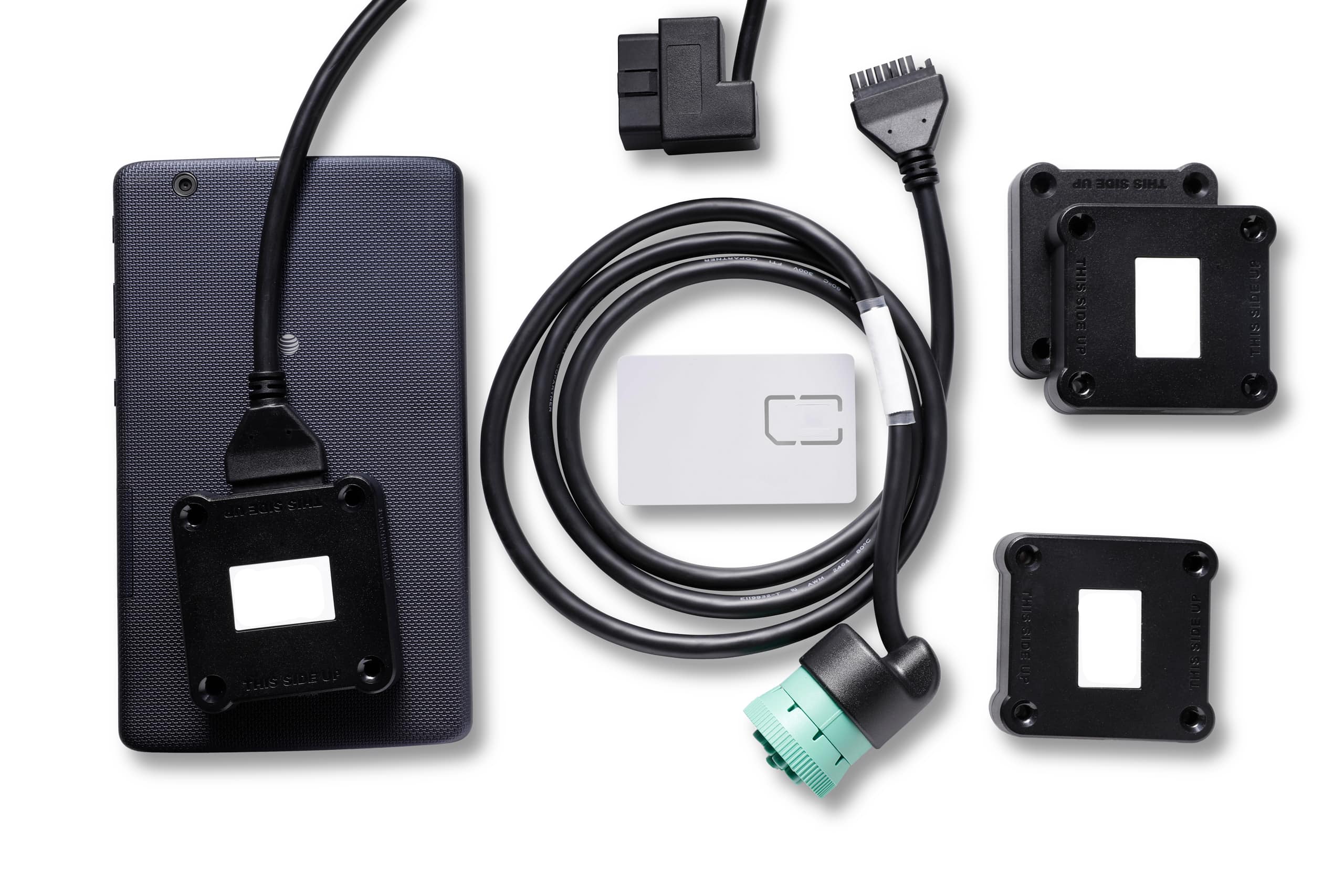
Hardware Connection and Automated Data Collection
To satisfy technical standards under Commercial Vehicle Drivers Hours of Service Regulations and the Canadian ELD Technical Standard, electronic logging hardware must form a direct, tamper-resistant physical link to the vehicle engine computer through standardized diagnostic ports, such as 9-pin, 6-pin, or OBDII connectors. A standalone phone or tablet application cannot fulfill regulatory standards independently; it must receive continuous operational data straight from the vehicle engine.
Mandatory Engine Synchronization Metrics
Functional specifications mandate that compliant hardware record four primary metrics automatically:
- Engine ignition status. Registers exact timestamps whenever the vehicle engine turns on or shuts down.
- Motion detection threshold. Transitions driver duty status to “Driving” automatically once vehicle speed reaches 8 kilometers per hour.
- Engine operating hours. Accumulates total engine run time continuously to verify HOS records accurately.
- Odometer readings. Captures exact mileage directly from the engine computer to ensure distance precision.
Because telematics hardware logs vehicle movement whenever speed reaches 8 kilometers per hour, unassigned movement blocks generate automatically if a vehicle moves without an active user session logged into the mobile screen. Safety personnel must review, annotate, and assign these unassigned records to the proper driver profile before official safety reviews occur. Maintaining stable hardware integration prevents unassigned distance errors and protects carrier safety records.
Low marketplace scores indicate potential operational friction. For commercial haulers, poor software reviews highlight issues like lagging application code, broken Bluetooth links, and unrecorded duty status shifts that lead to accidental HOS citations. Delayed dispatches and device overheating cause severe driver stress during tight delivery schedules.
Reviewing driver ratings across both major mobile platforms helps carriers identify stable applications that perform reliably under highway conditions. Deploying a stable, highly rated system protects carrier safety profiles and minimizes unexpected software failures on the road.
Operational Features of the HOS247 Platform
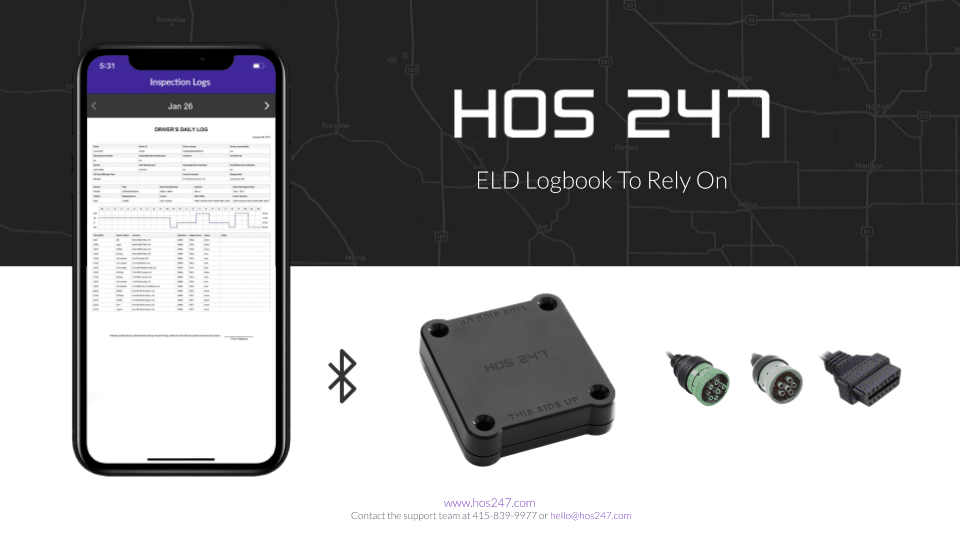
Complying with federal electronic log standards requires dependable hardware connectivity alongside simple mobile controls. The HOS247 platform addresses these requirements directly, lowering administrative workloads for owner-operators and safety managers:
- Streamlined driver display interface. Uncluttered mobile layouts remove unnecessary menu layers, allowing drivers to record status changes, adjust log notes, and submit electronic Driver Vehicle Inspection Reports (DVIR) with minimal taps.
- Continuous gateway data synchronization. The vehicle gateway maintains an uninterrupted Bluetooth connection to the mobile screen, capturing engine diagnostic metrics continuously without signal drops over rough terrain.
- Multilingual driver support team. Support representatives provide real-time guidance in English, Spanish, Polish, and Russian, ensuring drivers address software or hardware inquiries immediately to prevent roadside scale inspection delays.
- Low-resource software architecture. Efficient background execution allows the application to process diagnostic data without freezing or interfering with active cab tools, such as turn-by-turn truck navigation maps.
- Flexible diagnostic cable adapters. Adaptable cable harnesses fit 9-pin, 6-pin, and OBDII diagnostic ports, establishing communication with the engine computer across Class 8 tractors, medium-duty delivery trucks, and vocational rigs.
- Straightforward hardware swaps. Clear replacement terms allow fleet managers to request replacement gateways or cables quickly, avoiding hidden activation markups or administrative penalties.
- Integrated fleet management dashboard. Safety supervisors track Global Positioning System (GPS) vehicle positioning, review live driver logs, and calculate International Fuel Tax Agreement (IFTA) distance metrics from a single, centralized web interface.
- Month-to-month service terms. Motor carriers adjust active device counts based on seasonal freight shifts without signing multi-year hardware leases or facing cancellation penalties.
Combining reliable engine hardware with a driver-focused mobile application allows commercial motor carriers to protect their safety ratings and optimize daily operations.

Local Memory Backup and Offline Data Protection
Routing commercial trucks through mountain passes, canyon corridors, or remote rural regions frequently results in lost cellular coverage. Driving through dead zones raises legitimate operational concerns regarding whether mobile software will continue tracking shift hours correctly without a cell signal.
Poorly optimized logging software often freezes or drops records when network connections drop, generating unrecorded gaps on the duty status grid. These missing blocks require manual log edits later, increasing compliance risks during audits. Drivers are forced to spend valuable rest time correcting digital logs or resolving data mismatches with fleet safety managers.
Engineered logging systems mitigate cell drops by using local memory buffers inside the physical gateway. When cellular reception drops out, the mobile application writes status changes and engine metrics directly to internal hardware storage, keeping shift tracking active offline. The hardware cache ensures that no driving data or duty status adjustment is lost due to a lack of network coverage.
When the vehicle re-enters network coverage, the application syncs locally saved records with the cloud database automatically without creating duplicate entries or requiring driver intervention. This seamless transfer protects data integrity and provides motor carriers with complete records for road safety audits. Deploying offline-capable software protects fleets from data loss during cellular dropouts.
Managing Roadside Inspections and Hardware Malfunctions
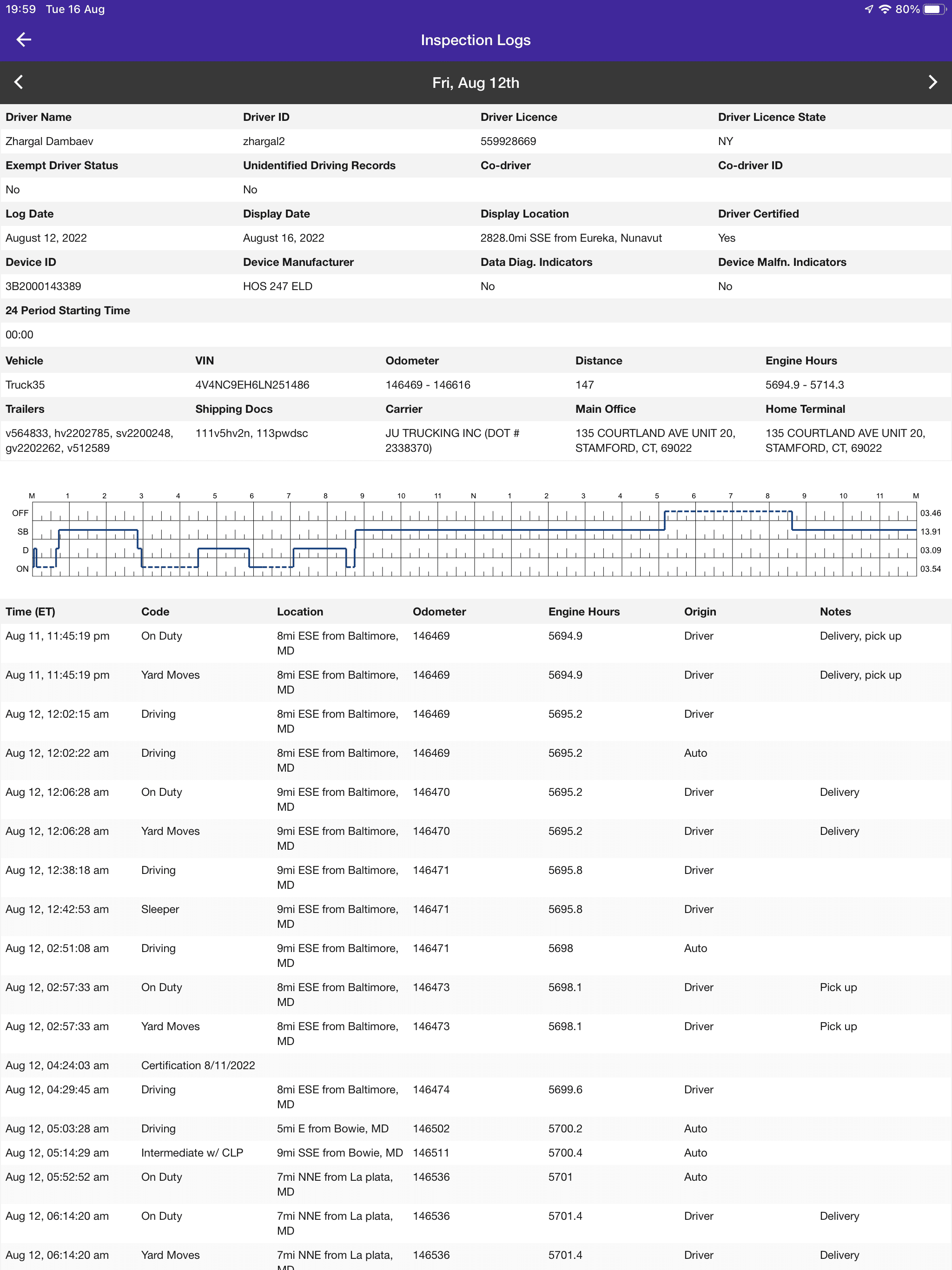
Roadside safety checks require drivers to present duty status records to law enforcement personnel rapidly and securely. The stability and design of the logging setup determine whether inspections conclude smoothly or turn into lengthy delays.
Roadside Scale Inspection Procedures
Federal specifications under Canadian ELD standards mandate that electronic logging applications include a dedicated inspection mode to streamline roadside scale reviews:
- Screen display lock. Restricts screen access so inspectors review only current daily logs and the previous 14 consecutive days of duty status history (15 days total).
- Personal data isolation. Prevents inspection personnel from accessing non-essential apps, personal photos, text messages, or financial tools stored on the mobile device.
- Encrypted record transfer. Transmits digital log files directly to safety officials via encrypted email or direct transfer protocols defined by Canadian regulatory bodies.
When local network congestion blocks electronic file transfers at weigh scales, backup procedures apply. Drivers can present the 24-hour visual log grid directly on the mobile screen for manual evaluation. Inspectors verify compliance on-screen, allowing the driver to resume transit. Relying on a clean inspection workflow shortens roadside stops and protects driver delivery schedules.
Managing Equipment Malfunctions on the Road
Physical hardware issues or software errors can occasionally interrupt electronic recordkeeping. Federal safety regulations establish clear instructions that drivers and carriers must follow during logging equipment malfunctions.
Mandatory In-Cab Compliance Items
To maintain compliance during an equipment malfunction or roadside inspection, commercial vehicles must carry an ELD information packet inside the cab that includes:
- User manual. A reference guide explaining how to operate the ELD.
- Data transfer instruction sheet. An instruction sheet detailing how to transfer Electronic Record of Duty Status (eRODS) files to enforcement officers during an inspection.
- Hardware malfunction instruction sheet. A document detailing hardware failure codes and required notification procedures under Section 78 of the regulations.
- Blank paper log supply. A backup supply containing at least 15 blank paper RODS graph sheets (covering the current day plus the previous 14 days).
Required Malfunction Response Timeline
When logging hardware or software encounters a diagnostic error, regulations under Section 78 enforce a structured response timeline:
- Immediate manual logging. The driver documents the malfunction error code immediately in their log and begins recording duty status entries on paper graph sheets.
- Written notice when parked. The driver provides notification of the equipment failure to the motor carrier as soon as the vehicle is safely parked.
- 14-day repair window. The motor carrier must repair, service, or replace the faulty logging hardware within 14 days of receiving driver notification (or at the latest, upon the driver’s return to the home terminal from a planned trip if that return exceeds 14 days).
Carrying paper log sheets inside the cab provides legal protection against out-of-service orders during equipment failures. Partnering with a telematics provider that supplies rapid hardware replacements ensures motor carriers restore digital compliance well within the regulatory window.
Managing Log Edits and Unassigned Distance Audits
Maintaining clean, audit-ready compliance records requires strict administrative oversight regarding log edits and unassigned telemetry. Canadian regulations establish precise boundaries governing how driver log records can be edited by drivers or back-office personnel.
Legal Parameters for Log Annotations and Edits
Log edits are legally permitted to correct inaccurate duty status entries, add missing annotations, or reassign unassigned vehicle movements. However, safety regulations strictly enforce data preservation rules:
- Original ECM record preservation. The underlying raw data recorded by the engine gateway — including engine speed, motion timestamps, and odometer readings — cannot be altered, overwritten, or erased.
- Driver approval requirement. Safety managers can propose log edits through the web management portal, but proposed changes do not take effect until the driver reviews and electronically approves the edit within the mobile app.
- Mandatory edit annotations. Every log edit must include a precise text annotation explaining the specific reason for the change (such as “Forgot to switch to On-Duty during pre-trip inspection”).
Resolving Unassigned Telemetry Blocks
Unassigned driving events occur whenever a vehicle moves at 8 kilometers per hour or faster without an active driver profile authenticated in the app. During safety audits, unassigned distance logs receive intense scrutiny because unassigned distance can indicate attempts to conceal HOS violations.
To maintain audit readiness, safety directors should implement a daily unassigned distance reconciliation routine:
- Review daily telemetry alerts. Identify unassigned movement blocks generated during yard moves, mechanic test drives, or staging shifts.
- Reassign valid driving blocks. Assign unassigned driving time to the appropriate driver profile within the administrative portal, prompting the driver to accept the log addition.
- Annotate non-driver movements. If vehicle movement was performed by non-driver personnel (such as shop technicians), add detailed annotations explaining the movement and retain supporting work orders.
Systematically resolving unassigned vehicle movements prevents compliance red flags during safety reviews and ensures carrier records remain clear and defensible.
Frequently Asked Questions About Electronic Driver Logs Requirements

As an expert in B2B and B2C sales, I’ve dedicated myself to perfecting sales processes and client retention strategies in the logistics and trucking industry. I have significantly contributed to the expansion of the ELD service, catering to retail and wholesale clients in need of HOS247 ELD solutions. My unwavering commitment to implementing state-of-the-art sales techniques and technologies ensures the continuous growth and success of businesses I work with.








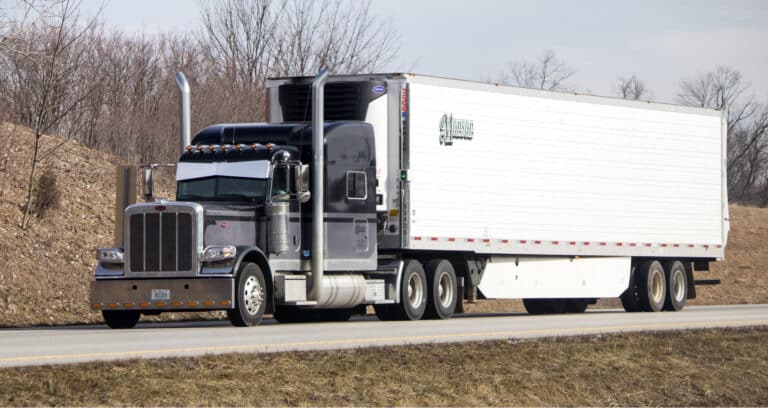
The main reason truck drivers need an ELD is to comply with the truckers electronic log law that came into full effect January 1, 2023. Apart from compliance, an efficient electronic logbook should also be a helpful tool to streamline
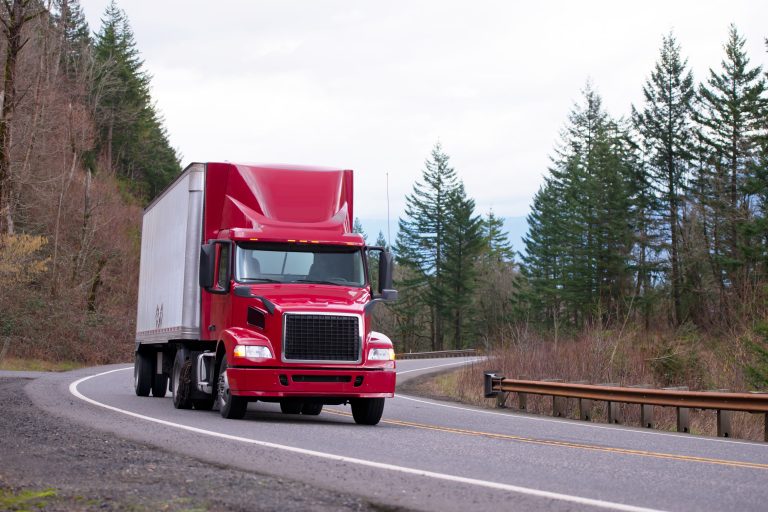
The electronic logbook law is another term for the ELD Mandate, which is a Transport Canada new elogs law requiring certain commercial motor vehicle drivers to use electronic log devices (ELDs or elogs). This new law on electronic logs shouldn’t

Beginning January 1, 2023, with full enforcement of the ELD mandate, truckers will require electronic logbooks to demonstrate compliance with HOS regulations. While compliance is a priority, finding a device with the right feature for your business can help optimize