
Understanding ELD Providers’ Business Models
Most ELD device companies fall into a few business models. Knowing the model helps you avoid surprises later — like long contracts, hidden hardware costs, or plan limits that don’t match how you work.
The Enterprise Model
Enterprise providers are built for large fleets. These systems often include more tools than a small operation needs, like detailed analytics, advanced admin controls, and broader integrations.
What this usually means for you:
- Higher monthly costs because you’re paying for a bigger platform.
- Longer onboarding with more setup and configuration.
- Long-term commitments are common, especially for fleet-wide deployments.
- Hardware may be hardwired or installed with more structure, depending on the fleet’s standards.
This model can be a strong fit if you run a larger operation and want deep oversight. For small fleets or owner-operators, it can feel like paying for features you won’t use.
The Hardware-Financed Model
Some companies advertise “$0 upfront” hardware. That can be helpful if you want to avoid a big initial purchase, but it’s important to understand how it works.
In most cases:
- The hardware cost is built into your monthly fee.
- You’re typically committing for a fixed term (often 3–5 years).
- The commitment is also a financial agreement.
This model can make budgeting easier, but it reduces flexibility. If your operation changes, or you want to switch, you may face early termination costs.
The Bring-Your-Own-Device (BYOD) Model
BYOD providers focus on lower entry cost and flexibility. You use your own smartphone or tablet for the app, and you pair it with an ELD device that connects to the truck.
What to expect:
- Lower upfront cost in many cases.
- Faster setup for many drivers.
- More flexibility if you want to scale up or down.
- The quality of the experience depends on device reliability, the connection method, and the support team when you need help.
BYOD is often a practical fit for owner-operators and small fleets that want a straightforward system without a heavy contract.
None of these models are “best” across the board. The right one depends on how you run — how often your fleet changes, how much flexibility you need, and how much you’re willing to commit in exchange for pricing or features. Next, we’ll look at what matters most in the hardware itself — because even a good platform can turn into a problem if the device connection isn’t stable.
Criteria for Evaluating Hardware Reliability
No matter which ELD device company you choose, the hardware has one job: capture data consistently so your logs stay accurate and inspections go smoothly. When the device is unreliable, everything gets harder — missed driving time, incomplete logs, and stress at the worst moment.
Here are the main reliability factors to check before you buy.
Connectivity Stability
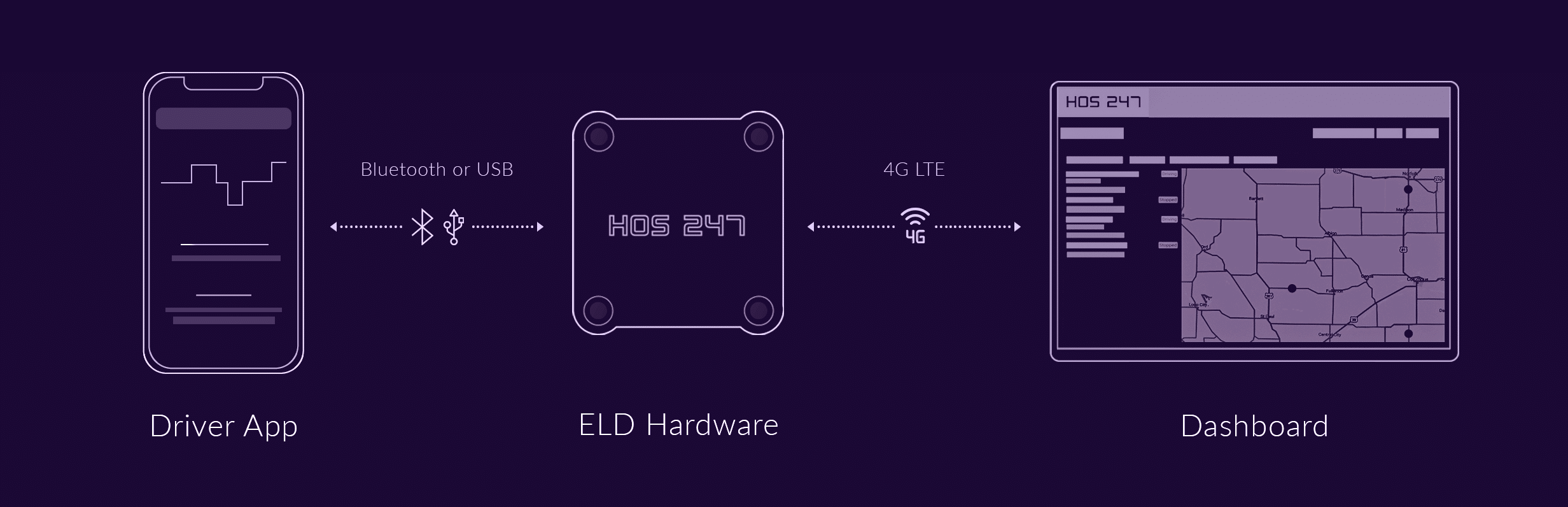
Some devices depend heavily on cellular data, while others use the device connection to transfer data to your app. For day-to-day driving, both can work — but inspections are where stability matters most.
If your ELD depends on a connection that drops often, you can end up with missing or delayed data when you need it. This is especially important when you’re in areas with weak coverage. A stable device-to-app connection helps keep logs consistent so you’re not troubleshooting when you’re parked at a scale.
What to look for:
- Consistent connection during normal driving.
- Fast reconnect if the connection drops.
- Reliable performance during roadside checks.
Build Quality
A truck cab is not the same as an office. Vibration, heat, cold, and constant movement can wear down low-quality devices over time. Some ELDs are built with more rugged materials and better internal components, while others feel like consumer electronics.
What to look for:
- A device that feels solid and built for daily use.
- A track record of durability, not just a low price.
- A clear warranty policy in case something fails.
Installation Methods
ELD hardware is often either plug-and-play or hardwired, and the right choice depends on the truck and how you operate.
Plug-and-play: faster setup, easy to move between vehicles, usually ideal for owner-operators and small fleets.
Hardwired: more permanent, sometimes preferred for strict fleet requirements or specific configurations.
What to look for:
- Clear installation steps and realistic setup time.
- Compatibility with your truck.
- Support that can walk you through setup if you need it.
Hardware reliability is about the device staying consistent in real driving conditions—because that’s what keeps logs clean and inspections less stressful.
The Importance of Customer Support Infrastructure
A lot of drivers don’t switch ELD providers because of features — they switch because of support. When you’re on the road, you don’t have time to wait days for a response, and you can’t afford confusion during an inspection or after a log problem.
Support is part of what you’re paying for, so it’s worth evaluating like you would the device itself.
Availability
Trucking doesn’t run on a 9-to-5 schedule. Breakdowns, inspections, and log issues can happen early in the morning, late at night, or on weekends. If an ELD company only offers limited hours, you’re the one stuck managing the problem alone.
What to look for:
- Extended support hours that match real trucking schedules.
- Weekend availability.
- Clear ways to reach support (phone, email, chat, forms).
Human vs. Automated Support
Many ELD device companies use automated ticketing systems to handle high volume. That can work for simple requests, like password resets or billing questions. But when a driver is dealing with compliance issues on the road, most prefer a real person who can troubleshoot quickly and explain what to do next.
What to look for:
- A direct phone number or live support option.
- Clear escalation when an issue is urgent.
- Support reps who understand inspections and daily driver workflows.
Language Capabilities
A multilingual team can make a real difference, especially for fleets with diverse drivers. If a driver is stressed and trying to solve an issue fast, language barriers can slow everything down.
What to look for:
- Support in multiple languages, including English, Spanish and Russian.
- Consistent availability in those languages (not just “sometimes”).
- Clear instructions and resources drivers can actually follow.
Good support reduces downtime, prevents small issues from turning into violations, and makes the whole system easier to live with. When you’re choosing among ELD device companies, the support structure is often the difference between a smooth experience and constant frustration.
Contractual Terms and Flexibility
When you compare ELD device companies, the contract matters just as much as the device. Two providers can look similar on features, but the terms decide how easy it is to adjust if your operation changes. Contracts are a business decision. They aren’t automatically bad or good — but you should choose terms that match how your operation actually runs.
Before you sign up, focus on three areas: commitment length, exit costs, and transparency.
Long-Term Contracts
Some providers require contracts that last one to five years. These agreements can make sense for certain operations because they offer predictability.
Potential advantages:
- Pricing may stay stable for the length of the term.
- Larger fleets may get structured onboarding and account support.
- Providers can offer lower monthly rates because they’re locking in revenue.
Trade-offs:
- Less flexibility if your fleet size drops or your business model changes.
- Switching early may trigger termination fees or remaining-balance charges.
- You may be tied to a device or service model that no longer fits.
Long-term contracts can work if you’re confident in the fit. If you’re still testing what works for your operation, they can feel restrictive.
Month-to-Month Plans
Month-to-month plans offer the highest flexibility. If you’re an owner-operator, a small fleet, or you run seasonal lanes, the ability to adjust without penalties can be a major advantage.
What month-to-month typically supports:
- Changing truck count without renegotiating a contract.
- Pausing service if a truck goes off the road.
- Switching providers if the system doesn’t meet expectations.
The trade-off is that month-to-month pricing can sometimes be higher. But for many carriers, the flexibility is worth it.
Transparency
A good provider makes the rules clear. A bad provider hides the rules until you’re already locked in.
What to read carefully:
- Auto-renewal clauses and required cancellation windows.
- Any fees tied to “free” or discounted hardware.
- Data access and ownership terms, especially if you want to export logs.
The best terms are the ones that protect your flexibility without creating surprises. If a company is confident in its service, the contract should be easy to understand.
The HOS247 Approach: Reliability and Support
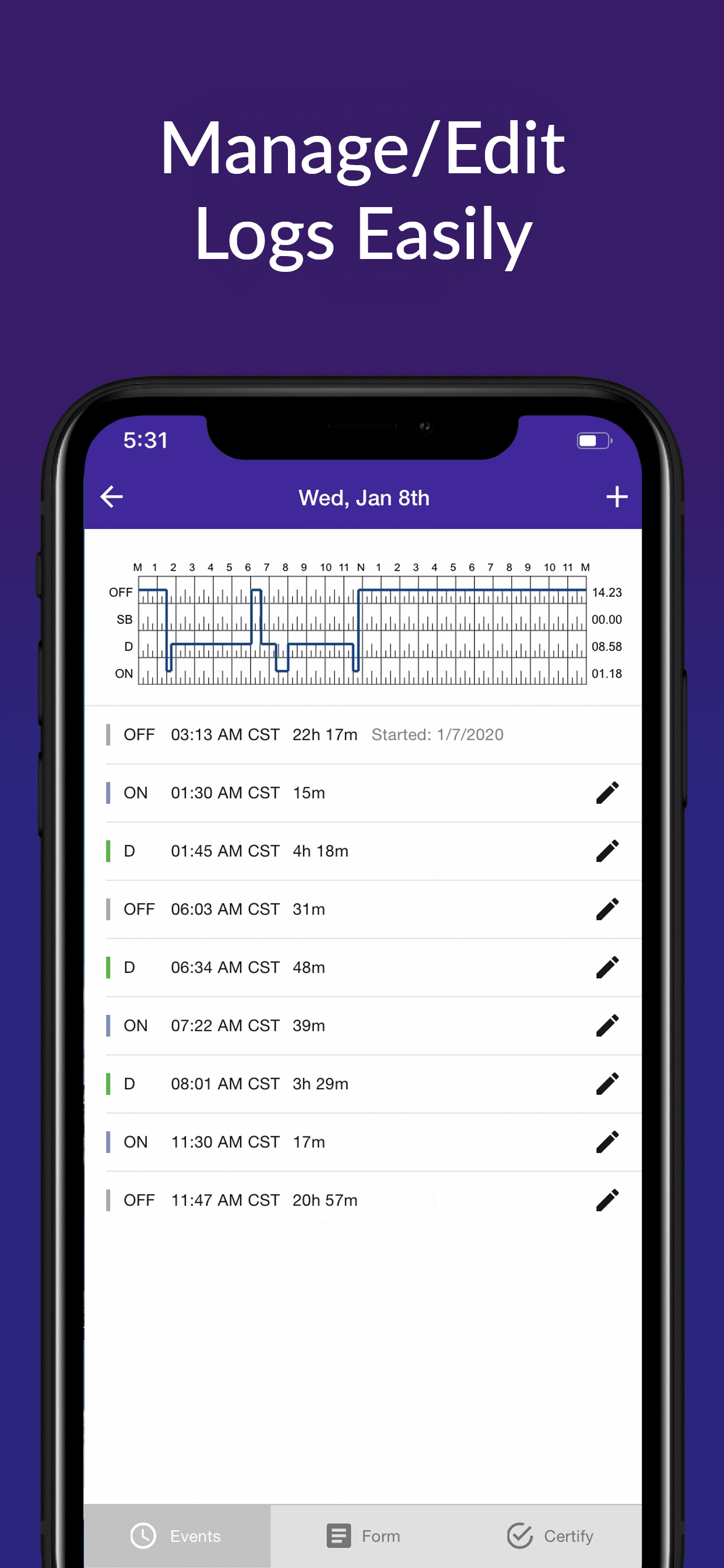
HOS247 is designed for drivers and small-to-mid fleets that want a reliable ELD without getting locked into a long-term contract. The goal is simple: make compliance easier, reduce stress during inspections, and back it up with real support when you need it.
Month-to-Month, No-Contract Model
HOS247 operates on a month-to-month basis. That means you’re not signing a multi-year agreement to get started. If your operation changes, you can adjust without being stuck in a contract that no longer fits.
For drivers, this matters because it keeps the relationship straightforward: you stay because the service works, not because the paperwork forces you to.
Efficient Multilingual Support
Support is available seven days a week, and the team can assist in English, Spanish, Polish, and Russian. When a driver needs help, the goal is to solve the issue quickly and clearly — without language barriers slowing everything down.
This is especially important during roadside stops, when time matters and the wrong answer can create extra hassle.
Reliable Connectivity for Consistent Logs
A dependable system is about consistency. HOS247 uses proven hardware designed to maintain stable connections so logs stay accurate and inspections stay smoother. When the device and app work the way they’re supposed to, drivers spend less time troubleshooting and more time driving.
One-Year Hardware Warranty
HOS247 includes a one-year hardware warranty. If there’s an issue with the device within the first year, it will be replaced at no cost. That warranty is part of making the system dependable over time, not just on day one.
All-in-One Features Truckers Actually Use
HOS247 combines compliance logging with operational tools that help drivers and fleets stay organized, including:
- IFTA mileage calculations.
- GPS tracking for location visibility.
- Clean reporting for fleet oversight.
The software is built to support daily HOS workflows without making the process complicated. For owner-operators and fleets that want flexibility, accessible support, and a system that holds up in real conditions, HOS247 is structured to fit the way trucking actually works.
Top ELD Device Companies in Canada
There are plenty of well-known ELD device companies in the market, and many of them serve different types of carriers. Some providers are built for enterprise fleets with large safety teams and complex reporting needs. Others focus on owner-operators and small fleets that want simple setup, reliable logs, and support that’s easy to reach.
A quick way to compare major providers is to look at real driver feedback in the app stores. App ratings won’t tell you everything about the hardware or contract terms, but they do reveal patterns — how often the app crashes, whether updates improve or break workflows, and how drivers feel about usability during day-to-day operations. When you review the table below, focus less on a single star rating and more on consistency across reviews: repeated mentions of connection issues, inspection mode problems, or slow support are usually a sign to dig deeper.
Conclusion: Selecting the Right Partner
Choosing among Canadian ELD device companies comes down to fit. The right system depends on how you run — your truck count, budget, and how much flexibility you want if your operation changes. Some carriers prefer long-term agreements that lock in pricing. Others value month-to-month freedom and the ability to adjust without penalties. Hardware reliability matters, too, because a device that drops connection or creates log gaps can turn into stress at the worst time.
Before you choose, compare providers using a simple checklist: reliability in real conditions, support availability that matches trucking hours, contract terms you fully understand, and a platform that’s easy to use day after day. When you’re on the road, the most valuable features are often the simplest ones: accurate logs, smooth inspections, and real help when you need it.

As an expert in B2B and B2C sales, I’ve dedicated myself to perfecting sales processes and client retention strategies in the logistics and trucking industry. I have significantly contributed to the expansion of the ELD service, catering to retail and wholesale clients in need of HOS247 ELD solutions. My unwavering commitment to implementing state-of-the-art sales techniques and technologies ensures the continuous growth and success of businesses I work with.










GPS tracking has become a valuable tool for truckers looking to protect their assets and maximize profits. Its ability to provide real-time location and other critical information is transforming how fleets are managed. From bolstering efficiency to enhancing security and
HOS ELD Logbook for Truckers in Canada The new federal mandate for the use of HOS ELDs will help keep drivers compliant with driving and on-duty time limits. Driver fatigue has proven to cause accidents and losses—human, material, and economic.

In the world of trucking, accurate record-keeping isn’t just good business practice — it’s the law. For decades, truck drivers filled out paper logbooks, recording their working hours, rest periods, and miles traveled. The switch from paper logs to driver