
The 160-Kilometer Short-Haul Exemption
Local delivery operations often qualify for regulatory relief that removes the electronic logging requirement entirely. The short-haul exemption applies to commercial motor vehicles that complete their routes within a highly localized area and finish their shifts within a strict timeframe.
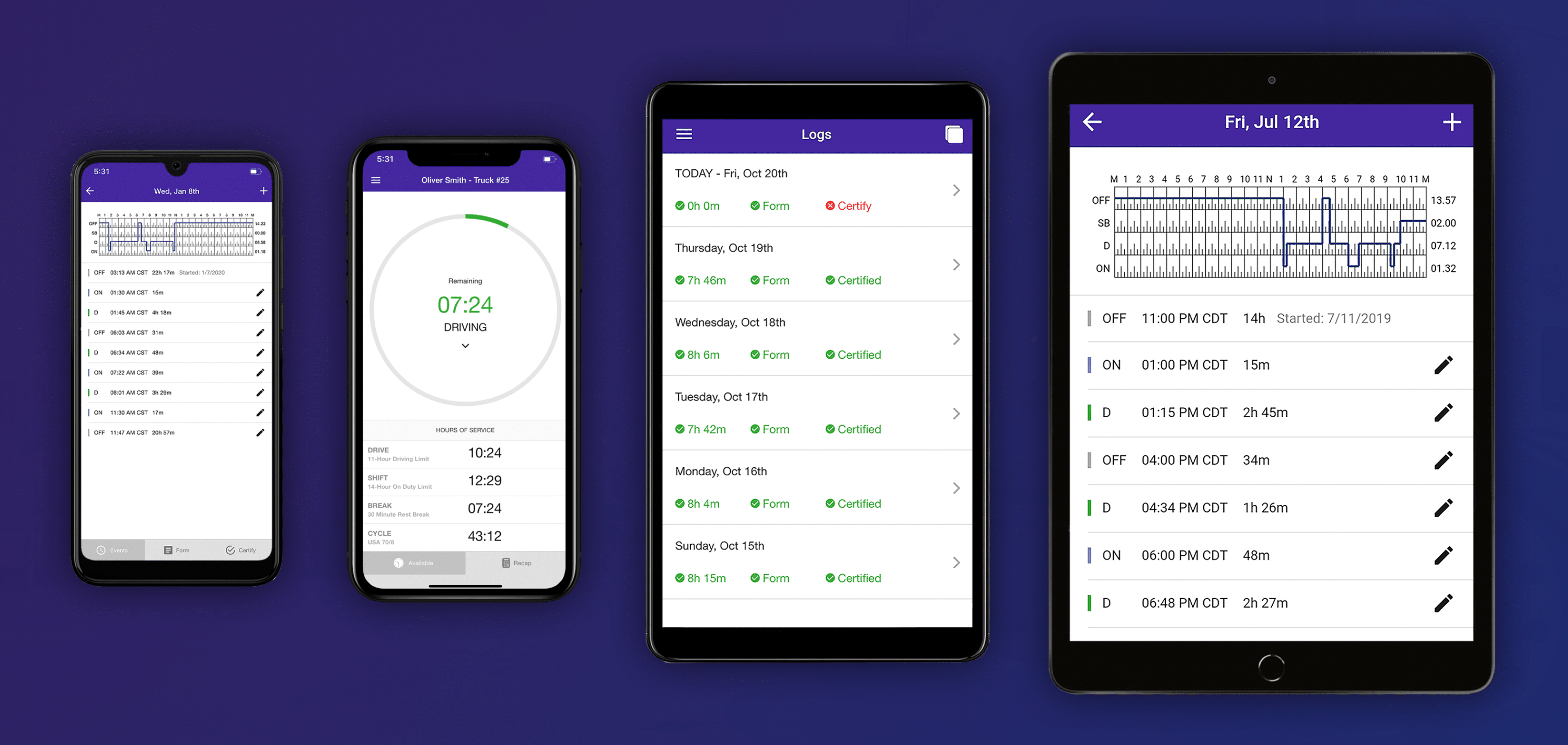
Qualifying Distance and Shift Limits
To qualify for the short-haul exemption under Section 77 of the federal regulations, drivers must meet specific conditions:
- Distance boundary. Operations must remain strictly within a 160-kilometer radius of the home terminal.
- Reporting location. Drivers must start and end their shift at the exact same location every day.
- Core rest requirement. Drivers must return to that home terminal daily to begin a minimum of 8 consecutive hours of off-duty time.
Exceeding the distance radius by any amount immediately nullifies the exemption for that day. Returning to the home terminal to satisfy the required daily core rest block is a non-negotiable requirement for maintaining short-haul status. If the criteria are breached, the driver must complete a standard daily logbook for that shift.
Maintaining Internal Daily Records
Meeting the distance, rest, and location criteria eliminates the need for a certified electronic logging device. Instead of keeping detailed digital logs in the cab, fleets maintain accurate daily logs or timecards at the reporting location. These internal records serve as proof of compliance during National Safety Code (NSC) facility audits.
Compliant company records must include specific daily information:
- Start time. The exact time the driver reports for duty.
- End time. The exact time the driver is relieved from duty.
- Total hours. The total number of hours worked during the specific shift.
- Cycle details. Verification of the specific cycle (Cycle 1 or Cycle 2) the driver is following.
Maintain accurate daily records even when exempt from electronic logs to ensure audit readiness and protect the fleet from non-compliance violations.
Assessing Daily Log Requirements for Occasional Long-Haul
Regional delivery demands frequently push short-haul drivers beyond their standard local boundaries due to unexpected route changes, heavy traffic, or special deliveries. Regulatory frameworks provide specific logging guidelines to accommodate these infrequent changes without requiring immediate hardware modifications.
Managing Single-Day Exemption Departures
To answer the common query — do box truck drivers need electronic logging hardware for infrequent trips outside the short-haul radius — the answer is based on a daily, earned model. The flexible “eight days out of a rolling 30-day window” paper log allowance does not exist under Canadian rules. If a short-haul box truck driver exceeds the 160-kilometer boundary even once, they must complete a standard record of duty status for that exact day. If the vehicle is not equipped with a third-party certified electronic logging device, the driver can record their time using a standard paper graph-grid logbook, provided they do not cross federal or provincial thresholds that require automated hardware. However, a critical roadside requirement applies: the driver must be able to produce their accumulated hour records for the previous 14 consecutive days to establish a valid legal baseline for the inspector.
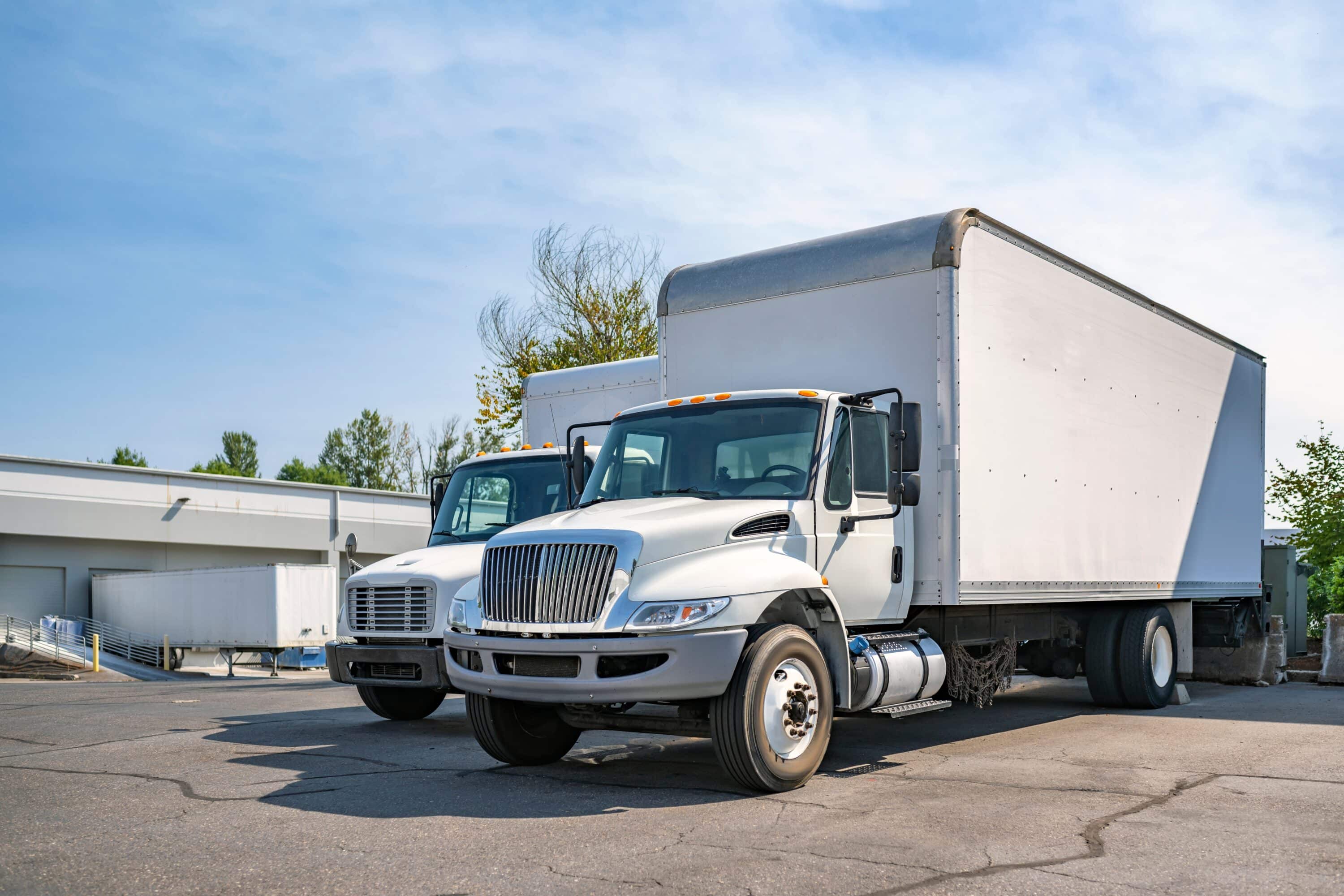
Vehicle Age and Driveaway-Towaway Exemptions
Specific mechanical configurations and operational types are completely excluded from electronic logging mandates. The regulations base these exemptions on the technical capabilities of the vehicle or the specific nature of the transportation service being performed.
The Pre-2000 Vehicle Model Year Rule
Vehicles with a model year of 1999 or older are exempt from the electronic logging mandate. This rule clarifies a common structural question: do box trucks need electronic logging hardware if they are older models?
The exemption exists because older platforms lack the data bus infrastructure required to automatically capture engine power status, vehicle motion, and total miles driven. Drivers operating these older vehicles must still follow Hours of Service (HOS) driving limits, but they are permitted to record their duty status using standard paper logbooks.
Driveaway-Towaway Operations
The nature of the shipment can also determine whether digital monitoring is mandatory. For instance, is an electronic logging device required for box trucks involved in driveaway-towaway operations?
An exemption is granted when the commercial vehicle being driven is the actual commodity being delivered. If an operator is transporting a newly manufactured box truck from a factory to a dealership, or delivering a truck as part of a vehicle sale, paper logs are legally permitted. Because the carrier does not permanently operate the vehicle as part of a standard fleet delivery service, a permanent hardware installation is not required.
Verifying Manufacturing Dates via the VIN
To ensure valid exemption status, motor carriers must verify the precise model year of the vehicle chassis rather than the engine manufacturing date. This is a critical distinction: a truck with a model year of 2000 or newer is not exempt, even if it has been repowered with a pre-2000 engine block.
Enforcement officers verify compliance by cross-referencing the vehicle identification number (VIN) on the registration paperwork during roadside safety checks. Drivers operating under the pre-2000 model year exemption should keep their vehicle registration readily accessible in their compliance folder to avoid registration disputes during an inspection.
Technical Hardware Requirements for Box Trucks
Deploying the correct physical equipment is just as critical as understanding logging exemptions. Box trucks utilize distinct vehicle architectures that require specific hardware configurations to achieve full regulatory compliance.
Selecting the Correct Diagnostic Interface
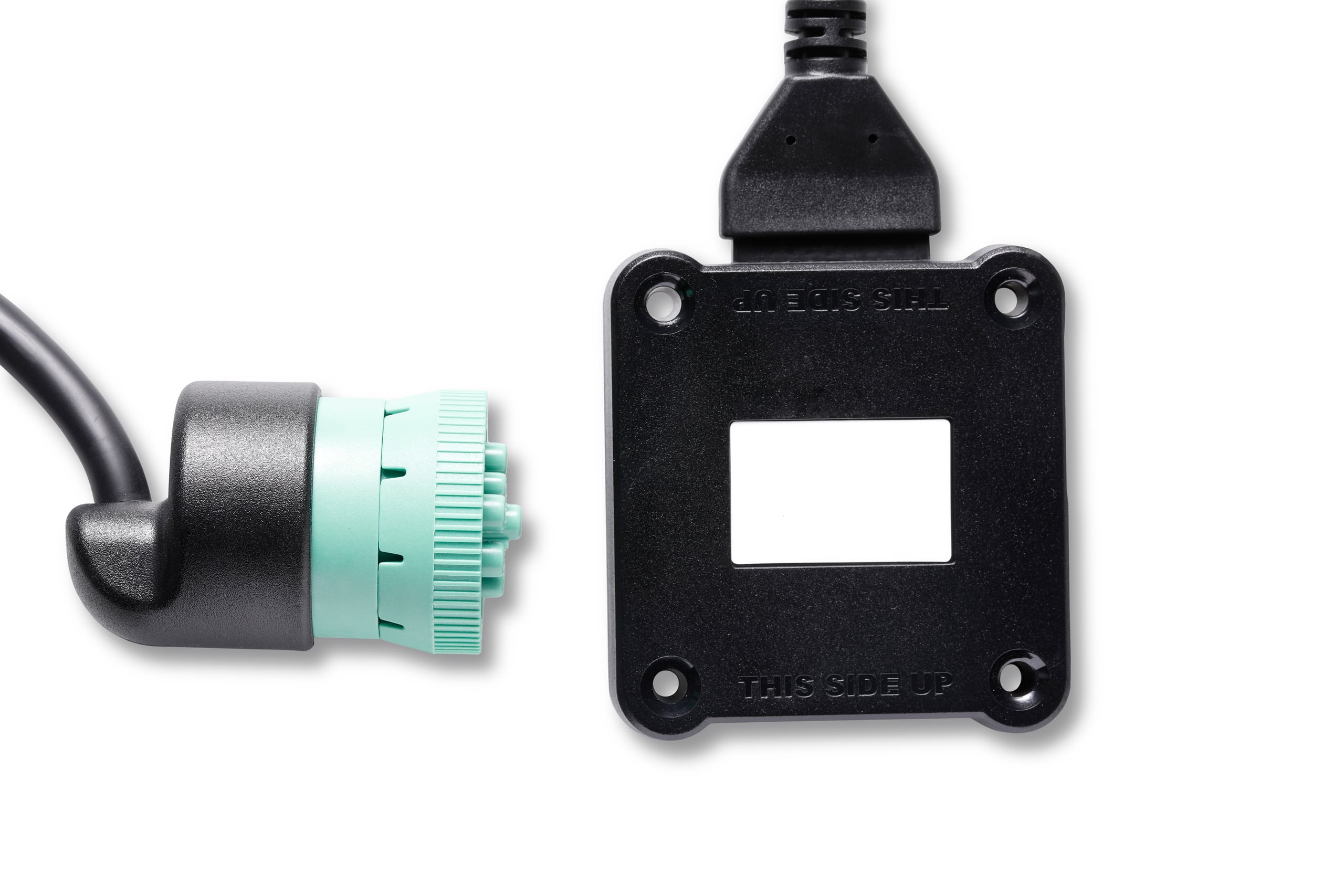
Unlike heavy-duty Class 8 semi-trucks that rely almost exclusively on 6-pin or 9-pin J-Bus diagnostic ports, medium-duty box trucks often use alternative interfaces. Many Class 3 through Class 6 box trucks utilize standard OBDII ports, similar to consumer passenger vehicles.
Fleet managers must verify the specific port configuration of each vehicle before ordering hardware components. Connecting a logging device requires the matching cable type to ensure a secure, uncompromised physical connection to the vehicle network. Using incorrect adapters or forcing connections can cause data distortion and lead to compliance failures during roadside checks.
Automatic Engine Synchronization
Logging standards mandate that the hardware device must connect directly to the vehicle’s Engine Control Module (ECM). This synchronization ensures that the device automatically records critical operational data without relying on manual driver input.
The hardware must continuously monitor the following data points:
- Engine power status. The device logs exactly when the engine is turned on or shut off.
- Vehicle motion. Driving status must trigger automatically as soon as the vehicle reaches a speed of 8 km/h.
- Total distance driven. The device pulls odometer readings directly from the engine computer to ensure accurate distance tracking.
- Engine hours. Total operational hours are tracked to verify accurate duty status measurements.
Manual logging apps that rely solely on smartphone GPS data do not meet compliance standards. The physical hardware must remain tethered to the ECM throughout the entire trip to ensure seamless data capture under Technical Standard 1.3.
Telematics Data Transfer Methods
During a roadside safety check, drivers must be able to transfer their electronic records to enforcement officers instantly. Compliant hardware must support authorized telematics transfer methods to transmit data securely.
The system must utilize at least one of the standard mandated transfer options:
- Encrypted email transfer. The logging platform routes the standardized compliance file via email directly to the roadside officer’s system.
- Local data transfer. The data file is transferred locally to the officer using a secure connection.
Drivers must understand how to initiate this transfer process from their in-cab display to prevent unnecessary inspection delays.
Managing Roadside Inspections in a Box Truck
Roadside inspections require drivers to demonstrate immediate, verifiable compliance with logging rules. Fleet managers must ensure that every driver understands the exact protocols for interacting with enforcement officers. Preparing the vehicle and the driver for these encounters prevents administrative delays and protects the carrier’s safety rating.
Maintaining Required Instruction Materials
Regulations mandate that specific physical or digital documents must remain inside the commercial vehicle at all times. Missing any of these required documents results in a direct compliance violation, even if the digital hardware functions perfectly.
Drivers must carry the following materials in the cab:
- User manual. A comprehensive document detailing how to operate the installed electronic logging device.
- Transfer instructions. A step-by-step guide explaining how to produce and transfer the digital records to an enforcement officer.
- Malfunction guide. An instruction sheet outlining the required reporting steps a driver must take if the hardware experiences a technical failure.
- Blank paper logs. A backup supply of standard graph-grid paper logs sufficient to record duty status for a minimum of 15 days.
Navigating the Device Inspection Mode
The driver holds the primary responsibility to display digital logs clearly to enforcement officers upon request. Compliant logging platforms feature a dedicated inspection mode designed specifically for roadside checks.
Activating this mode locks the application interface, preventing the officer from accessing other private applications or altering the driver’s underlying data. The display must clearly present the driver’s duty status graph for the current 24-hour period alongside the preceding 14 days. Drivers must know exactly how to activate this mode and hand the display device to the officer without hesitation.
Expediting the Inspection Process
Expedite the inspection process by keeping all required documentation readily accessible. When an officer approaches the vehicle, the driver should immediately have the instruction materials, the vehicle registration, and the active inspection screen ready for review. Presenting organized records demonstrates professional competence and often results in a faster, smoother inspection experience, allowing the driver to return to their route quickly.
Operational Benefits of HOS247 ELD Solutions
Selecting a compliance partner involves evaluating how well the hardware and software integrate into daily operations. HOS247 provides reliable tracking systems engineered to minimize the administrative burdens associated with regulatory record-keeping. This is why truckers trust us:
- Reliable hardware connectivity. The system maintains a stable connection between the vehicle diagnostic port and the mobile application during both local and regional routes.
- High-quality hardware. We offer durable, high-quality hardware components engineered specifically to handle continuous truck vibrations.
- Rapid plug-and-play installation. Fleets eliminate vehicle downtime by utilizing hardware units that connect securely to the vehicle diagnostic port within minutes.
- Simplified duty logging. Operators manage their duty status changes easily using an accessible, driver-first software interface that requires minimal training.
- Multilingual technical support. Professional representatives assist drivers directly on the road in English, Spanish, Russian, and Polish seven days a week.
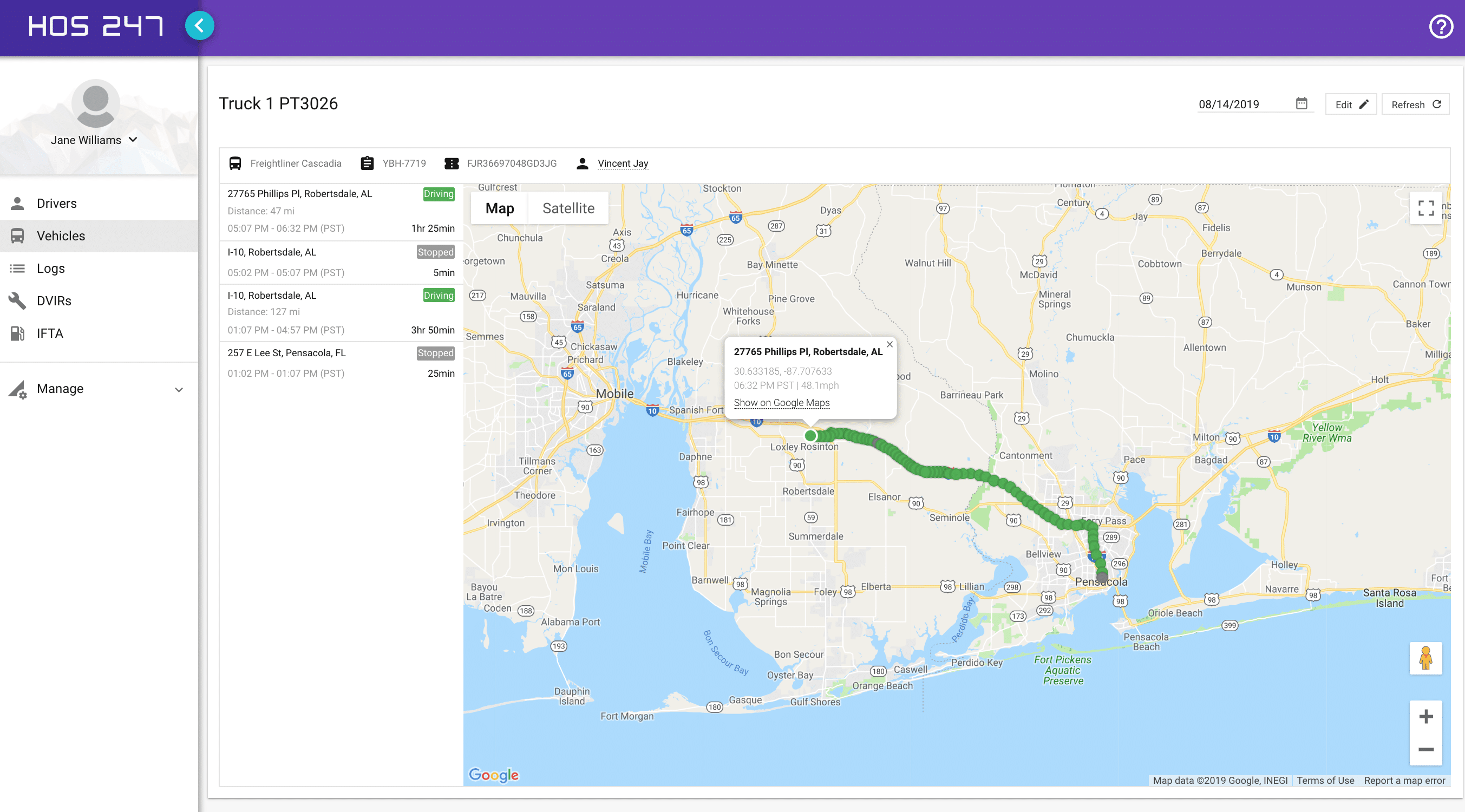
- Automated fleet visibility. Fleet managers gain clear oversight of available driver hours, vehicle locations, and compliance metrics through an organized administrative portal.
- Offline-first architecture. The hardware continues recording logs automatically in remote dead zones, ensuring perfect data capture when local delivery routes pass through poor cellular coverage areas.
- Flexible trial periods. Motor carriers can test the system securely under real road conditions using a 14-day trial backed by a hassle-free refund policy.
- Transparent monthly pricing. Fleet managers protect operating budgets effectively by choosing straightforward service plans that operate without hidden fees or multi-year contracts.
A stable, integrated platform significantly reduces the manual administrative burden for growing delivery fleets. Automating compliance tracking eliminates the need to audit stacks of paper manifests, allowing fleet owners to scale their operations securely while maintaining a clean regulatory profile.

Final Summary of Box Truck Regulatory Standards
Navigating the complexities of commercial motor vehicle compliance requires a clear understanding of federal and provincial thresholds. Fleet managers and owner-operators must evaluate their vehicles based on objective data rather than industry assumptions.
Determining logging obligations relies on primary factors including vehicle weight, route distance, and trip frequency. Any vehicle operating provincially or extra-provincially with a GVWR or gross weight of more than 4,500 kilograms is subject to safety oversight. Furthermore, drivers operating within a strict 160-kilometer radius who return to their home terminal daily to take their required core rest may utilize localized time records instead of electronic logs. Finally, short-haul drivers who occasionally exceed distance limits must complete paper logs for those specific days and carry their previous 14 days of logs in the cab.
Failing to implement the correct tracking methods can lead to costly roadside penalties, downgraded carrier safety profiles, and forced out-of-service delays. Proactively auditing fleet weights and route structures allows carriers to deploy hardware only where legally required, avoiding unnecessary equipment expenses while maintaining total compliance.
A clear approach to box truck ELD requirements ensures that carriers protect their safety profiles while optimizing daily dispatching. By blending strict regulatory adherence with reliable electronic logging solutions, like HOS247’s, local and regional delivery fleets can eliminate administrative friction, protect their drivers, and focus on sustainable business growth.
A Note to Our Readers on Compliance
This article is intended for informational and educational purposes only. It is not a substitute for official regulatory guidance or legal advice. HOS and ELD regulations are complex and subject to change and interpretation by enforcement authorities. Please always refer to official sources for the most current and accurate information.

As an expert in B2B and B2C sales, I’ve dedicated myself to perfecting sales processes and client retention strategies in the logistics and trucking industry. I have significantly contributed to the expansion of the ELD service, catering to retail and wholesale clients in need of HOS247 ELD solutions. My unwavering commitment to implementing state-of-the-art sales techniques and technologies ensures the continuous growth and success of businesses I work with.








For Canadian truckers, an electronic driver logbook is as essential as the steering wheel — and often just as frustrating. While digital logs have been the standard for years, the industry conversation has shifted. It is no longer about simple
ELD compliance software is essential for any trucking company that wants to continue to operate smoothly in the upcoming year. Investing in the best electronic logbook software can help truckers and office staff to keep track of their hours of

Managing a fleet of trailers can be challenging, from tracking their locations to preventing delays, theft, and other issues. However, there is a solution that can revolutionize fleet management: GPS trackers. These innovative devices provide motor carriers with greater control