
Defining Reliable ELD Fleet Compliance Software
To understand what makes a system reliable, you have to look past the marketing claims and examine what the software is legally required to do. At its core, the application must accurately record your Hours of Service (HOS), allow you to easily manage duty statuses, and maintain a secure audit trail for roadside inspectors.
The Data Standards
The technical baseline for these systems is incredibly strict. A compliant system must automatically capture specific data points directly from the truck without any driver intervention. This includes recording the engine power status, tracking vehicle motion (automatically triggering a “Driving” status at 8 km/h), logging the distance driven, and monitoring total engine hours. If the software requires manual input or relies solely on a cell phone’s GPS for these critical metrics, it fails the fundamental definition of a certified electronic logging device under Canadian regulations.
The User Experience
Beyond the strict legal data standards, the user experience is critical for daily operations. From the driver’s perspective, the software interface must be intuitive and built for the physical environment of a commercial cab. This means featuring high-contrast screens for glaring daytime visibility and large buttons to minimize distractions and reduce input errors. A complicated menu system only creates frustration at the end of a long shift and leads to easily avoidable administrative violations.
The Foundation of Compliance
An intuitive interface is only helpful if the data behind it is accurate. If the underlying code cannot properly interpret Transport Canada Hours of Service regulations or struggles to process raw engine data, the driver is left vulnerable to technical violations. True reliability requires a perfect match between a user-friendly app and a rock-solid, compliant connection to the truck.
The Hardware Connection: Why the App Is Only Half the Equation
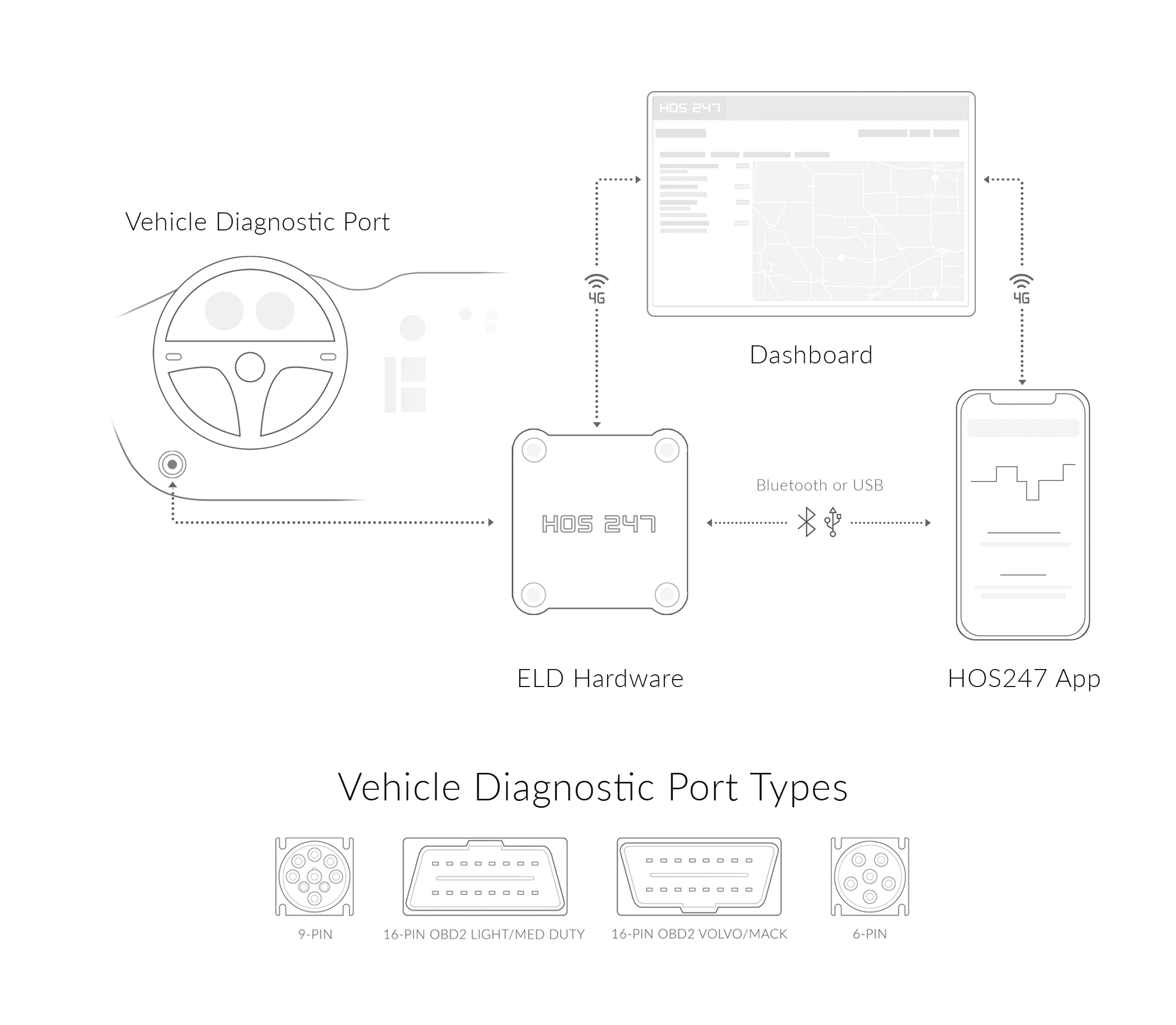
Think of your compliance system as having a brain and a body. The ELD Fleet Compliance Software installed on your tablet is the brain, but it relies entirely on the telematics device — the body — plugged directly into your truck’s engine. If the physical hardware cannot gather the correct information, the app cannot process your logs legally.
Integral Synchronization
Canadian regulations require that a certified ELD be integrally synchronized with the engine control module (ECM) to automatically capture driving time and other engine data. To meet this standard, the hardware must pull engine data directly from the vehicle’s diagnostic port, such as the J1939 or OBDII connection. A system that only relies on the GPS tracking built into a smartphone or tablet is not integrally synchronized. Relying on an app without this direct engine connection will result in a violation during a roadside inspection.
The Bluetooth Handshake
Even with the right hardware plugged into the dashboard, the system only works if it can communicate with your display screen. The most common cause of logbook failures is a dropped Bluetooth connection between the engine device and the driver’s tablet. When this invisible link breaks, the app stops recording drive time accurately. This leaves you with frustrating gaps in your logbook and unassigned driving events that take valuable time to fix.
Investing in Connectivity
Ultimately, a beautifully designed app cannot fix a bad hardware connection. Investing in proprietary, well-engineered hardware is the single most effective way to prevent software crashes and sync errors. When the hardware and software are built to communicate seamlessly, your logs stay accurate and your operations run without technical interruptions.

Essential Features for Daily Operations
Beyond meeting the basic legal requirements for logging, a high-quality system brings multiple tools together to make a driver’s day easier. When your software is built with the daily realities of trucking in mind, it handles the heavy administrative lifting for you.
HOS Tracking and Alerts
Managing the complex math of the 13-hour driving limit, the 14-hour on-duty limit, the 16-hour elapsed work shift, and the 70-hour cycle (over 7 days) or 120-hour cycle (over 14 days) is the primary job of your software. However, the best systems do more than just record this time; they actively monitor it. Proactive audio and visual alerts warn drivers well before an Hours of Service violation occurs. This takes the guesswork out of shift planning and prevents costly fines during a roadside inspection.
Automated IFTA Reporting
Calculating fuel taxes by hand is a massive administrative burden for fleet managers and owner-operators alike. Integrated compliance software tracks your jurisdictional mileage automatically as the truck crosses provincial and territorial boundaries, as well as international borders. This feature turns quarterly IFTA reporting from a frustrating, multi-day chore into a simple, automated report that can be generated in minutes.
Electronic DVIRs
The transition from paper inspection reports to digital Driver Vehicle Inspection Reports (DVIRs) aligns with provincial and territorial inspection requirements under the National Safety Code (NSC Standard 13) and significantly improves fleet safety. By completing pre-trip and post-trip inspections directly in the app, drivers can quickly highlight and document defects. This digital record ensures that mechanics and fleet managers are notified of maintenance issues immediately, reducing the risk of a serious breakdown on the road.
Transforming Compliance into Efficiency
When a system offers these integrated tools, it stops being just a mandatory regulatory expense. Instead, these operational features transform your electronic logbook into a valuable business asset. By streamlining your daily workflow and keeping your equipment maintained, the right software protects both your safety score and your bottom line.
Navigating Technical Vetting and Standards
The regulatory environment has become focused on compliance with the Canadian ELD Technical Standard and ongoing certification requirements. ELD devices must be tested and certified by accredited third-party certification bodies, which are responsible for verifying compliance and conducting ongoing monitoring. This makes your choice of ELD fleet compliance software more important than ever.
Data Transfer Reliability
Passing a roadside inspection comes down to one crucial step: transferring your data to the enforcement officer.
- The standard. Canadian regulations require that your system can transfer log files electronically via telematics (specifically encrypted email or web services) or local transfer methods such as USB or Bluetooth.
- The enforcement. Devices that cannot properly generate and transfer standardized output files may be considered non-compliant. If your software cannot cleanly hand over the data, the officer may proceed with a manual review of your logs, which often leads to a more time-consuming inspection.
The Replacement Requirement for Non-Compliant Devices
If a certified ELD is found to be non-compliant with the Canadian Technical Standard, its certification status can be revoked by the accredited certification body and it will be moved to Transport Canada’s “No Longer Certified” list.
- The timeline. Under Canadian federal regulations, if an ELD is decertified or fails to function, the motor carrier must repair or replace the system within 14 days of becoming aware of the issue. If the vehicle is currently on a trip that is scheduled to last longer than 14 days, the device must be replaced immediately upon the driver’s return to the home terminal.
- The risk. Unlike the U.S. system, which often grants a standardized 60-day grace period for decertifications, Canadian enforcement is managed provincially and may be stricter. To protect your operating authority, you should check the Transport Canada list regularly; continuing to use a decertified device beyond the 14-day replacement window can result in “No Record of Duty Status” violations and vehicle detentions.
The Hidden Costs of Low-Quality Logging Apps
When outfitting a truck, it is tempting to look for the cheapest compliance solution available. However, in the world of commercial transportation, you often pay for what you don’t get. Contrasting professional compliance systems with low-quality logging apps reveals that the upfront price tag rarely reflects the actual cost of operating the system.
The Contract Trap
Many low-quality or newer providers attempt to win business by offering what looks like an unbeatable deal upfront.
- Free hardware illusion. Companies offering “zero upfront costs” or free telematics devices often recover that money by locking fleets into restrictive, multi-year contracts.
- Cancellation fees. If the app freezes constantly or fails roadside inspections, you are legally responsible for the violations. Yet, if you try to leave the provider to find a better system, you are hit with massive early cancellation fees that trap you in a failing ecosystem.
Support Deficits
The true test of any software company is what happens when things go wrong outside of standard business hours.
- Weekend failures. Trucking does not stop on Friday at 5:00 PM. If a system fails during a weekend roadside inspection, you need immediate help.
- Automated roadblocks. Relying on providers that only offer email support or automated chatbots leaves drivers completely stranded. Without a human to quickly troubleshoot a connection issue or guide a driver through a log edit, a simple software glitch can easily turn into an Out of Service order.
Measuring the True Cost
The true cost of your electronic logging system is measured in uptime, reliable hardware, and accessible support. A system that saves your fleet a few dollars on the monthly subscription but causes connection headaches, log errors, and inspection delays is a poor investment. Choosing a quality provider upfront ultimately saves money by keeping your trucks moving and your compliance record clean.
HOS247: Engineered for Stability and Support
In a market where certified compliance and reliable connectivity are essential, HOS247 provides a proven answer to the challenges of modern ELD Fleet Compliance Software. We do not just sell a mandatory device to meet a federal requirement; we provide a complete system designed to keep your operating authority safe and your daily operations running smoothly.
Built for the Real World
Our ecosystem combines high-quality physical equipment with an easy-to-use digital platform that fits how you already work.
- BYOD flexibility. Our software is fully compatible with both Android and iOS smartphones and tablets. This “Bring Your Own Device” approach saves fleets money on expensive proprietary screens and lets drivers use the technology they are already comfortable with.
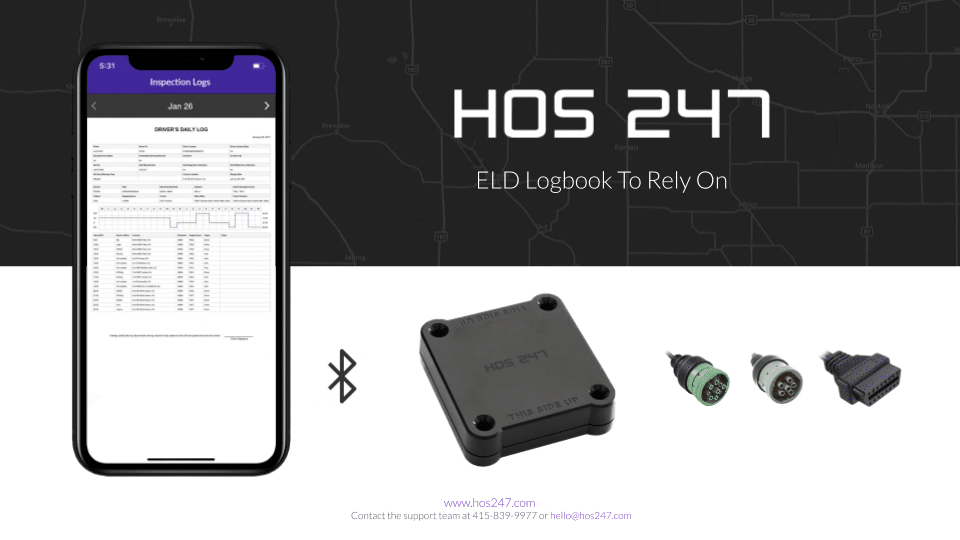
- High-quality hardware. Our telematics devices are stress-tested for the road and engineered to maintain a stable Bluetooth connection, minimizing the sync errors that cause headaches during roadside inspections. We back this durability with a one-year free replacement warranty.
- User-friendly software. The driver app is designed to be intuitive. A clean layout reduces driver training time, makes duty status changes instant, and features a simple inspection mode for clean, fast roadside checks.
- Extra operational features. The HOS247 system goes beyond basic compliance. It includes built-in tools for real-time GPS fleet tracking, automated IFTA mileage calculations, electronic DVIRs aligned with NSC Standard 13, vehicle fault code diagnostics, and idle monitoring to help fleets actively reduce fuel costs.
Support and Flexibility You Can Trust
Technology is only as good as the team standing behind it. We focus heavily on keeping trucks moving and maintaining transparent business practices.
- Top-rated multilingual support. We know trucking happens every day of the week. Our support team is available seven days a week and speaks English, Spanish, Russian, and Polish. When you need help, you get a knowledgeable human who can resolve your logbook or connection issue quickly. Plus, our strict call-back policy ensures you are never left stranded; if your call drops, we will call you back immediately so you never have to repeat your issue.
- No-contract policy. We believe we should earn your business every month. Our transparent, month-to-month plans give you the freedom to scale your business without being tied down by restrictive long-term commitments or hidden cancellation fees.
- Risk-free trial. We let our technology do the talking. Truckers and fleet managers can test the complete HOS247 system risk-free for two weeks, complete with a hassle-free return policy if it is not the perfect fit.
The HOS247 Advantage
HOS247 provides the perfect balance of rugged hardware, intuitive software, and highly accessible human support. By offering a reliable platform with straightforward terms, we serve as a dependable partner that helps fleets of any size stay compliant and profitable.
Managing Roadside Inspections with Confidence
A roadside inspection is the ultimate test of your compliance system. When an enforcement officer asks to see your logs, the process should be calm, fast, and completely transparent. Your software must be designed to handle this high-pressure workflow easily so you can get back on the road.
The Inspection Workflow
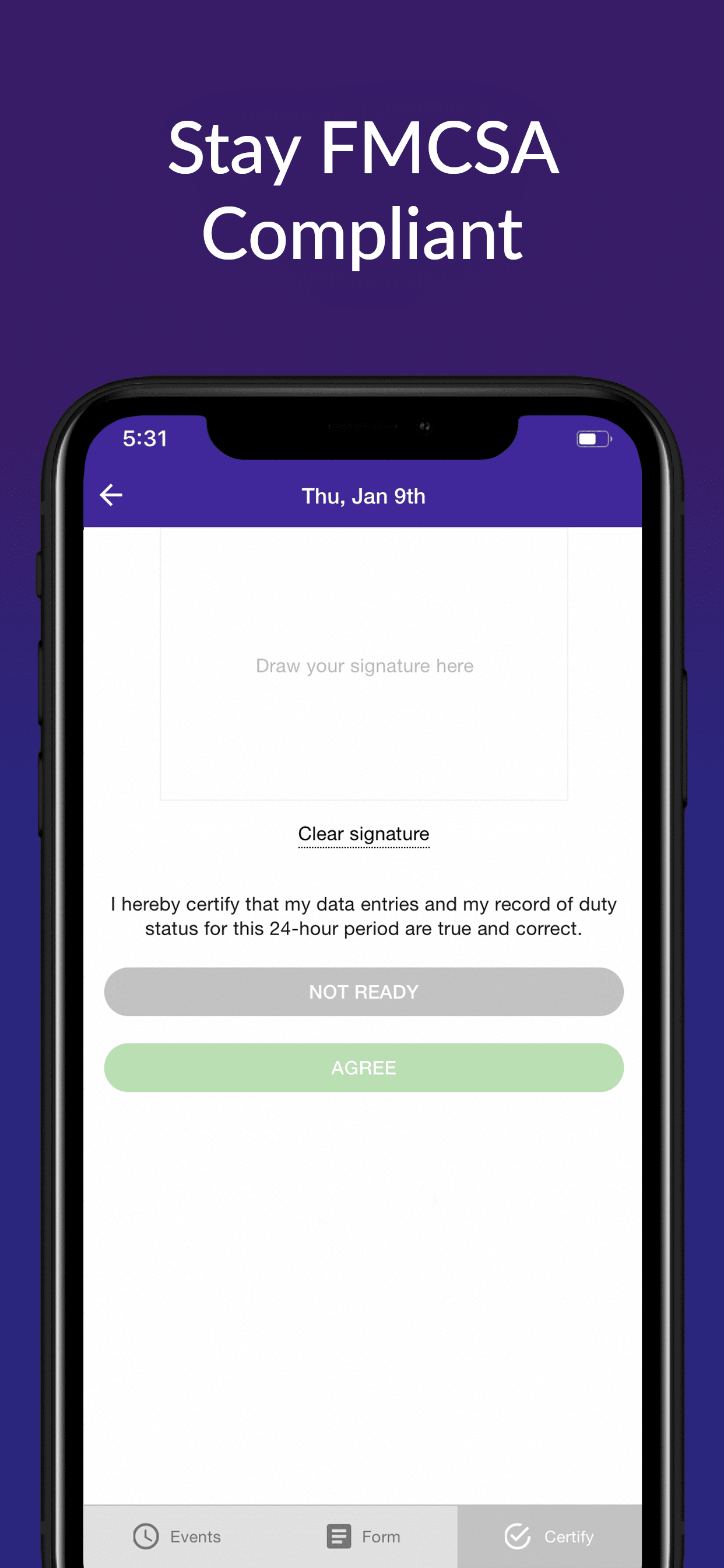
The best compliance apps feature a simple inspection mode. With just a few taps, the driver can lock the tablet screen and present only the legally required data to the officer. This specific mode prevents the inspector from accidentally scrolling into private fleet routing data and makes the required data transfer process simple and straightforward.
Handling Unassigned Driving
Before you ever pull into an inspection station, your digital records must be clean. This means consistently assigning or annotating unassigned driving events, such as yard moves or mechanic test drives. A clean audit trail with no unexplained driving time shows the enforcement officer that you actively manage your logbook and take your compliance seriously.
In-Cab Requirements
Even the best digital system requires physical backups. Under Canadian ELD regulations, you must carry specific items in your truck at all times to avoid a basic citation:
- A printed or digital user manual for the device.
- A data transfer instruction sheet for the officer.
- A malfunction reporting guide.
- A supply of blank paper logs sufficient to record duty status for at least 15 days (the current day plus the previous 14).
True roadside readiness is a combination of having the right digital tools and maintaining your basic physical preparation. When your software transfers data flawlessly and your backup paperwork is neatly organized in the cab, inspections are handled smoothly, efficiently, and without unnecessary stress.
Frequently Asked Questions About ELD Compliance
The Value of Operational Knowledge
Understanding these common operational rules is just as important as having the right software installed in your cab. When drivers know exactly how their technology interacts with the law, they are better prepared to handle roadside stops confidently and avoid unnecessary administrative citations.
Protect Your Operation with a Proven Partner
Navigating the complexities of commercial transport requires tools you can trust completely. A dropped Bluetooth connection, a failed data transfer, or an unresponsive support team are risks no professional driver should have to take. Your technology should work quietly in the background, allowing you to focus on the road ahead instead of troubleshooting a device.
Choosing the right ELD fleet compliance software is a direct investment in your peace of mind and the long-term viability of your business. When you partner with a provider that prioritizes hardware stability, intuitive design, and reliable human support, you turn a regulatory requirement into a true operational advantage.
Don’t settle for systems that slow you down and put your operating authority at risk. Upgrade to a reliable, fully integrated solution today. Contact HOS247 to schedule a demo or start your no-contract trial to experience hassle-free compliance.

I’ve co-founded, built and managed several transportation-related businesses. Now, I’m a founder and CEO of HOS247 – an AI Transportation Platform for trucking companies, freight brokers and other logistics operations. We are transitioning old-style operations to technology-advanced logistics entities and help them to grow their businesses. ELDs (electronic logging devices), fleet tracking and management 2.0 combined with AI-powered dispatch tools.








GPS software has become a vital tool for trucking operations in Canada. The advantages it offers carriers practically make it a must-have to be competitive in the industry. HOS247 understands the need for reliable GPS truck tracking solutions, so we

Tracking every minute of a 24-hour day across four distinct duty categories is a demanding administrative burden for commercial drivers. Regulations mean carriers cannot simply opt out of electronic tracking, yet managing these mandatory records leaves plenty of room for

ELD logs are here to stay: using an electronic logging device will become mandatory for commercial vehicles in Canada as of January 1, 2023. Professionals in the industry must choose and equip one to comply with the law. This is