
Key Trends Shaping Trucking
The trucking industry is moving toward a future defined by smarter data and increased accountability. Staying competitive requires an understanding of the trends that are currently reshaping how fleets operate across the country.
AI-Powered Predictive Maintenance
Fleet servicing is undergoing a major shift from “calendar-based” to “condition-based” maintenance. In the past, managers scheduled oil changes and inspections based on the date or estimated mileage. Today, artificial intelligence analyzes real-time data from the truck’s engine to predict exactly when a part might fail. This allows carriers to perform repairs only when necessary, which reduces shop time and prevents unexpected breakdowns on the highway. By addressing mechanical issues before they lead to a roadside failure, companies keep their trucks in service longer.
Sustainability and EV Readiness
Environmental standards are becoming a bigger priority for shippers and regulatory agencies. Modern fleet management software now helps carriers track their carbon footprint by monitoring fuel burn and idling habits. This data is also useful for companies planning an eventual transition to electric vehicles (EVs). Software allows managers to analyze current routes and determine which ones are best suited for electric trucks based on range and charging availability. Having these metrics ready helps small and large fleets stay ahead of new sustainability requirements.
Nuclear Verdict Protection
The US court system has seen a rise in “nuclear verdicts,” where legal liabilities for accidents result in massive financial penalties that can bankrupt a carrier. Integrated video and data logs serve as a primary defense against these outcomes. When a carrier can produce accurate GPS breadcrumbs and engine data, they can prove their driver was following speed limits and safety protocols. This objective evidence protects the company from unfair blame in a dispute. Having a reliable digital record is now a requirement for managing legal risk and keeping insurance premiums under control.
What Fleet Management Features Do You Need?
Managing a fleet of vehicles that travel across town day-in and day-out can be a challenge. It requires keeping careful records of hours spent on the road, vehicle maintenance, dispatch, fuel reporting, and so much more. Office staff can quickly become overwhelmed with the sheer volume of tasks that need to be completed on a successful day.
Fortunately, the right truck fleet management software can help to automate some of these processes and relieve some of the pressure. Here are just a few of the solutions that you should look for in software.
GPS Fleet Tracking
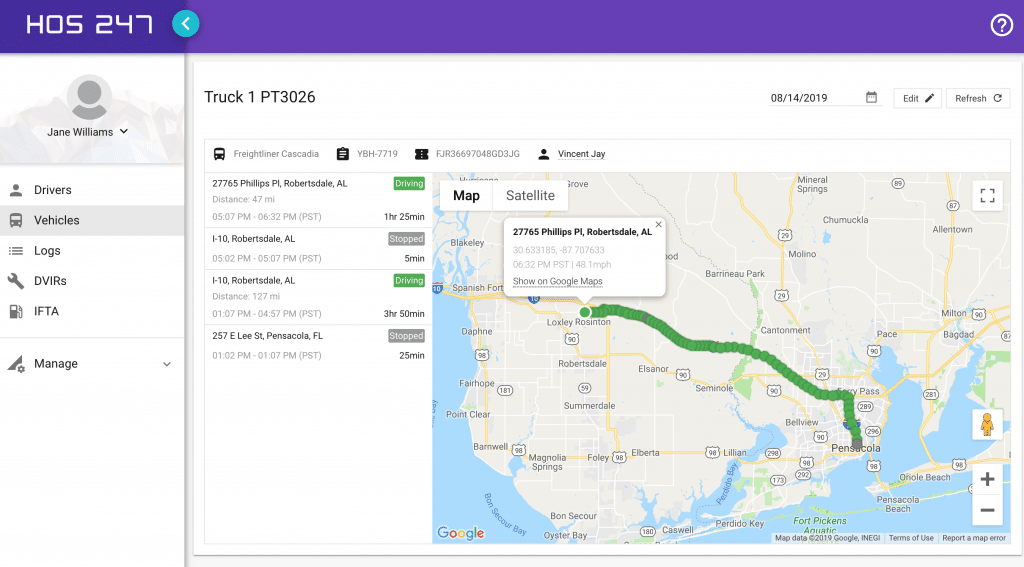
Do you know where your trucks are at? Many office managers think they know where their trucks are on the road, but the reality might tell a different story. GPS fleet tracking is absolutely essential to a trucking company. First and foremost, GPS tracking helps dispatchers to see where shipments are in process throughout the day. They can check progress on a particular route and better plan ahead for future deliveries and pick-ups.
GPS tracking is also a great way to ensure that your staff remains on task at all times. Drivers are sometimes tempted to go out of their way to run a personal errand with company vehicles and on company time. With this in place, this kind of pit-stops tend to be minimized or eliminated altogether.
Last but not least, GPS fleet tracking is essential in the event of a stolen vehicle. You can find out when trucks are leaving the grounds without your authorization and track their whereabouts. This could be an easy way to catch a crook who is trying to make off with company goods or vehicles.
ELD
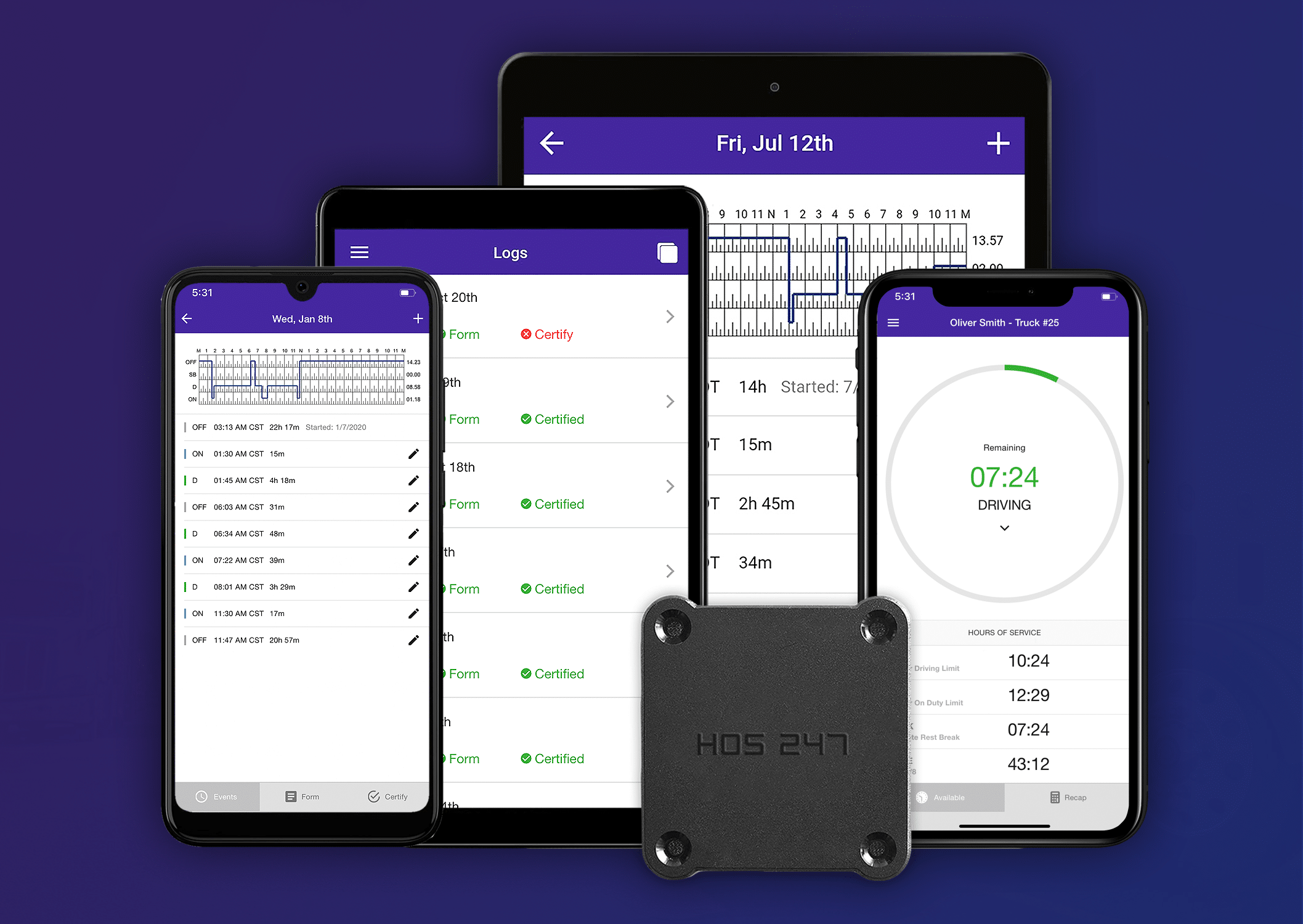
One of the best things about having a truck fleet management software is the optional integrated electronic logging device (ELD). This handy tool can help you to automate many of your current processes and help you to avoid hefty fines that come from violating hours of service rules and standards.
The ELD offered through the HOS247 platform allows you to create automatic Hours of Service with built-in alerts to let you know how much time you have remaining before you are in violation. You can also conveniently manage and edit those logs when necessary. Along with the HOS logs, drivers can also complete simple driver vehicle inspection reports.
With the ELD you can pass DOT inspections with an FMCSA-approved ELD. This can help truckers to avoid a costly ticket.
IFTA Mileage Reporting
Does your back-office staff hate collecting and calculating state mileage manually? Eliminate the burden for your team by using the convenient IFTA mileage reporting feature as a part of your software. It automates state mileage calculations and eliminates the headache. The program does all of the heavy lifting for you when it comes to performing the complicated calculations necessary. The simplicity of the program reduces the risk for human error and improves your reports all at the same time.

Dispatch
Most dispatchers complain about the sheer volume of phone calls that they have to make in a single day. Which driver is the right one for the project? Who can complete the trip the fastest? There are so many angles to consider, and it typically falls on the dispatcher to determine who is right for the project at that exact moment. This is where truck fleet management software can step in to help.
Because you have GPS tracking on your fleet, you can see who can complete the route most efficiently. You can also assign the job to the right driver with just a few clicks, saving you several phone calls to arrange the entire transaction.
Once the dispatcher has set the ball in motion, they are free to sit back and watch as the plan unfolds. They can monitor progress on the job from the time it is assigned to when it is started all the way through to its completion. The dispatch services that come with your fleet management solution keep drivers and office staff all on the same page.
Not only does it make things smoother for dispatchers and drivers, but it provides better customer service for clients. They can rest assured that their needs are being tended to in a timely manner and they can have an answer faster than ever before.
Dash Cams
AI-integrated dash cams have become an essential tool for modern fleets. These cameras monitor the road and the cab to provide a clear record of every trip. Fleet managers use this footage for driver coaching by identifying habits like distracted driving or tailgating before they lead to an accident. In the event of a collision, video evidence provides immediate exoneration for innocent drivers, protecting the carrier from false claims and expensive legal battles.
Asset and Trailer Tracking
Monitoring your unpowered assets is just as important as tracking your trucks. Specialized GPS devices for trailers and equipment allow you to see exactly where your inventory is located at all times. This visibility helps you maximize utilization by ensuring trailers do not sit idle in a remote yard. These trackers also serve as a powerful theft prevention tool, as they provide real-time location data if an asset is moved without authorization.
Fuel Management and Theft Detection
Fuel is one of the highest expenses for any carrier. Modern software goes beyond simple IFTA reporting by using sensors to monitor fuel levels in real-time. These systems can detect “fuel siphoning” or sudden drops in the tank that suggest theft. By comparing GPS location with fuel card transactions, managers can also identify unauthorized spending or “skimming” at the pump. This level of oversight helps to protect your fuel budget and increase your overall profit margins.
Strategic Benefits: Improving Your Bottom Line
Investing in fleet management is a strategic move to protect your profit margins. Small improvements in daily operations lead to significant financial results over a full year.
- Reducing total cost of ownership (TCO). Every mile your truck travels has a fixed cost. By using data to reduce idling and optimize routes, you lower the total cost of owning and operating each vehicle. Reducing idle time by just one hour a day can save hundreds of gallons of fuel annually. When these small efficiency gains compound across a full fleet, they result in thousands of dollars in annual savings per truck.
- Improving driver retention. Driver turnover is a major expense for any carrier. Using a fleet management software with a user-friendly app makes the driver’s job easier and reduces daily frustration. Providing fair, data-backed coaching based on objective records ensures that drivers feel treated with respect. High driver satisfaction leads to lower turnover rates and saves the company the high cost of recruiting and training new staff.
- Insurance premium discounts. Insurance companies prioritize safety and risk management. By providing documented safety data from your fleet management system, you can prove your fleet is a low risk for accidents. Many carriers use these safety reports to negotiate lower commercial insurance rates. Having a proven track record of safe driving behavior gives you the leverage needed to secure these significant discounts.
By focusing on these three pillars — fuel, retention, and insurance — small carriers can stabilize their overhead. This data-driven approach turns a simple software subscription into a powerful tool for long-term financial health and business stability.

Mastering Compliance: More Than Just ELDs
While ELDs are a legal requirement, full compliance involves managing several other regulatory tasks. The FMCSA has increasingly prioritized digital records in 2026. This includes automated Driver Vehicle Inspection Reports (DVIRs) and “Remote Audit” readiness. By maintaining these records electronically, your office can respond to audit requests instantly without searching through paper files. This level of organization shows regulators that your business takes compliance seriously and is prepared for any inspection.
Furthermore, your Compliance, Safety, Accountability (CSA) score is a public reflection of your safety record. Proactive fleet management helps you identify and fix issues, like mechanical faults or hours-of-service errors, before they result in a violation. Keeping your safety score low makes your business much more attractive to high-paying brokers and shippers who only work with the most reliable carriers. Maintaining a clean record is the best way to ensure your company remains eligible for the most profitable contracts in the industry.
Implementation Guide: Switching to HOS247
Switching to a new provider does not have to be a complicated process. HOS247 is designed to make the transition as smooth as possible for small teams and large fleets alike.
- Step-by-step transition. Our dedicated account managers guide you through the process of migrating your data from legacy systems. We help you move your driver information and vehicle records into the HOS247 portal without causing downtime for your operations. This ensures that you maintain your historical records while stepping into a more modern system.
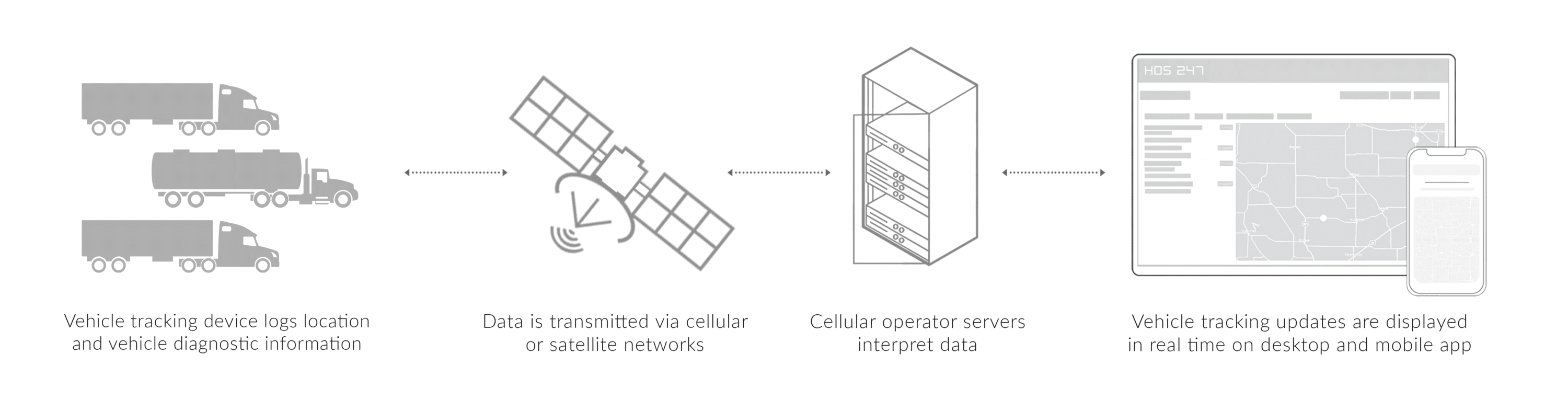
- Hardware installation. The physical transition is simple. Most of our hardware uses “plug-and-play” installation that connects directly to the vehicle’s diagnostic port. This eliminates the need for expensive technicians and allows you to equip your entire fleet in a matter of minutes. Once the device is plugged in, it begins transmitting data to your portal immediately.
- Driver onboarding. We provide the tools necessary to get your drivers up to speed quickly. Our intuitive mobile interface reduces the learning curve, allowing your team to start logging hours and inspections with minimal training. This fast onboarding process ensures your fleet stays compliant from the very first day of the switch.
Following these steps ensures that your transition to a modern 4G/LTE system is handled with precision. By choosing a partner that prioritizes easy installation and data continuity, you remove the stress of technical upgrades. This allows your team to focus on the road while we handle the complexities of the data migration.
Gain Full Control Over your Fleet
Have you been wondering what the next steps are for your company? Many businesses know that they need to step up their current software, but they aren’t sure where to go from here. What they really need is a full truck fleet management solution that is easy for truck drivers and office employees to use. HOS247 provides everything that you need in one convenient package.
From ELD to IFTA and everything in between, HOS247 provides real value. It can help your company to automate more of its daily processes and cut back on the amount of time spent managing daily operations. Utilize your time and resources more wisely this year with a complete solution that your team will love.
Our customer service reps will gladly talk to you about what it would look like for your trucking company to use our solution. Remember that we have a hassle-free return policy for the first two weeks. We are confident that you and your team will be pleased with our user-friendly software and sturdy hardware.

Frequently Asked Questions About Truck Fleet Management
The transition to digital fleet management often brings up practical questions. Here are short, direct answers to the most common queries we receive from carriers today:
The Performance Gap: Reactive vs. Proactive Management
The biggest difference between a struggling fleet and a profitable one is the shift from reactive to proactive management. Reactive managers wait for a problem to occur — such as a breakdown, a fine, or an accident — before taking action. This approach leads to high downtime, unexpected expenses, and increased stress for the office staff. In a reactive environment, the company is always playing catch-up with its own data.
Proactive management uses real-time software to stay ahead of these issues. By monitoring engine fault codes, tracking HOS alerts, and reviewing driver safety scores daily, you can fix small problems before they become disasters. This style of management leads to several measurable benefits for the carrier:
- Higher vehicle up-time. Scheduled repairs based on engine data prevent roadside breakdowns and keep trucks moving.
- Better broker relationships. Reliable tracking data and low CSA scores make your fleet the first choice for premium, high-paying loads.
- Improved cash flow. Consistent fuel savings and lower insurance premiums provide more predictable monthly profit margins.
Closing the performance gap requires a commitment to using the data your fleet generates every day. HOS247 serves as your partner in this transition, providing the tools and support needed to move your company into a proactive, highly efficient future. By choosing a system that simplifies the complex aspects of trucking, you ensure your business is built on a foundation of confidence and growth.

Future-Proof Your Fleet Today
The trucking industry is changing rapidly, and waiting to upgrade your technology can be a costly mistake. Rising fuel prices and stricter federal regulations mean that carriers without real-time data are at a constant disadvantage. By adopting the HOS247 4G/LTE system, you protect your business and ensure you have the tools to manage overhead effectively. Future-proofing your fleet is about more than just staying compliant; it is about building a resilient operation that can thrive despite shifting market conditions.
Taking action today ensures your company is prepared for the regulatory and economic challenges of tomorrow. Do not let outdated systems or manual processes hold your business back from its full potential. Contact HOS247 to start your two-week trial and see how our all-in-one platform can secure the future of your fleet.

I’ve co-founded, built and managed several transportation-related businesses. Now, I’m a founder and CEO of HOS247 – an AI Transportation Platform for trucking companies, freight brokers and other logistics operations. We are transitioning old-style operations to technology-advanced logistics entities and help them to grow their businesses. ELDs (electronic logging devices), fleet tracking and management 2.0 combined with AI-powered dispatch tools.









Driving a commercial motor vehicle (CMV) across the United States involves more than just steering a wheel – it requires a deep understanding of the intricate road rules, particularly compliance with federal hours of service (HOS) regulations. In this article,
Managing assets effectively is key to running a successful trucking operation. With vehicles spread out across the country, companies need reliable tools to track their fleet, stay in control, and make smart decisions. GPS fleet tracking systems have changed the
A driver logbook app automates duty status tracking for commercial fleets. Developers prioritize app stability, clear visual grids, and fast background processing. The Federal Motor Carrier Safety Administration (FMCSA) sets specific technical rules for these digital tools. A mobile application