
What Is CARB CTC?
CARB CTC stands for California Air Resources Board Clean Truck Check and it is California’s mandatory emissions testing framework designed to reduce diesel pollution from commercial trucks and buses operating on state roads. It applies to most medium-duty and heavy-duty commercial vehicles operating in California, ensuring they meet ongoing state emission standards.
Administered directly by CARB under the Heavy-Duty Inspection and Maintenance (HD I/M) regulation, CTC modernizes state oversight by replacing older frameworks, such as the Periodic Smoke Inspection Program (PSIP).
Initial registration in the Clean Truck Check Vehicle Inspection System (CTC-VIS) portal is a required first step. Then, fleet operators must meet three recurring conditions:
- Pay the annual compliance fee. Fleet owners must pay the mandatory state compliance fee for each registered vehicle once per calendar year through the CTC-VIS database. CARB’s system will not issue an official compliance certificate without this payment, even if the vehicle submits a passing emissions test.
- Complete periodic testing. Vehicles must undergo the required emissions test. There are different methods according to engine year and fuel type.
- Submit results before each deadline. Passing test results must be submitted electronically to CTC-VIS prior to every new testing deadline. Each passing submission triggers a new digital compliance certificate valid only for that specific window.
With periodic testing requirements active statewide, fleet operators must be clear on which assets fall under CARB’s emissions scans requirements to ensure timely registration and testing.
Which Vehicles Must Comply With CARB CTC?
Identifying affected vehicles is the first step in managing CARB CTC compliance. The regulation applies to nearly all non-gasoline commercial vehicles with a Gross Vehicle Weight Rating (GVWR) over 14,000 pounds operating on California public roads, including:
- Commercial fleets. Applies to medium- and heavy-duty trucks, tractor-trailers, buses, and work trucks (such as dump or box trucks).
- California port and railyard transport fleets. Vehicles operating at state-regulated California seaports and intermodal railyards must maintain active compliance in CTC-VIS.
- Out-of-state trucks. Vehicles crossing California state lines must comply, regardless of home registration state.
Exempt Vehicles
While the regulation covers the vast majority of commercial assets, a limited group of vehicle categories remain exempt from Clean Truck Check requirements:
- Zero-emission vehicles. Battery-electric and hydrogen fuel cell trucks.
- Specialized vehicles. Emergency units, military tactical vehicles, and historical vehicles.
- Out-of-state motorhomes. Non-commercial recreational vehicles registered outside California.
The next step after identifying vehicles subject to this law is understanding how specific testing requirements and schedules apply to each vehicle class.
CARB CTC Testing Requirements and Schedule
Testing requirements and submission deadlines vary based on engine model year, fuel type, and vehicle classification. CARB categorizes vehicles into three distinct groups with different testing methods:
- 2013 and newer diesel and diesel hybrid engines (OBD-equipped). Require an On-Board Diagnostics (OBD) test to verify engine emissions health. These vehicles can be tested via automated remote telematics, certified in-shop OBD scanners, or mobile diagnostic services.
- 2018 and newer alternative-fuel and alternative-fuel hybrid engines (OBD-equipped). Require an OBD test to verify system diagnostics.
- 2012 and older diesel engines (non-OBD). Require a two-part Opacity and Visual Inspection (OVI) consisting of a physical smoke opacity test and a visual inspection of onboard emissions control hardware. Testing must be performed in person by a CARB-credentialed tester at a service facility or via a mobile tester.
- 2017 and older alternative-fuel engines (non-OBD). Require an in-person visual inspection of emissions control equipment conducted by a CARB-credentialed tester (smoke opacity testing is not required for non-gasoline alternative fuels).
Once the appropriate testing method is determined, fleet operators must align testing with specific compliance timelines. Submission windows are based on vehicle use and engine model year:
- Current requirement (2025–September 2027). Most affected vehicles must complete testing twice per year on a semi-annual schedule.
- Upcoming quarterly requirement (October 2027). Testing frequency doubles to four times per year for 2013 and newer diesel.
- Annual schedule. Agricultural vehicles and California-registered motorhomes require only one test per year.
- Short-term passes. Out-of-state vehicles operating in California on an occasional basis can apply for a single 5-day short-term pass per calendar year.
Tests can be submitted to CARB’s CTC-VIS portal up to 90 days before the compliance deadline. All test data must be transmitted electronically before the submission window closes and the test must be passed to avoid non-compliance status.
How CARB CTC Testing Works
Fleets must complete Clean Truck Check testing using one of three state-approved methods: remote testing, in-shop testing, or mobile inspections. The specific method a vehicle qualifies for depends on its engine model year and fuel type, which determine whether compliance is verified through electronic OBD data collection, physical smoke opacity testing, or visual component inspections.
Remote Testing (Eligible Vehicle Categories Only)
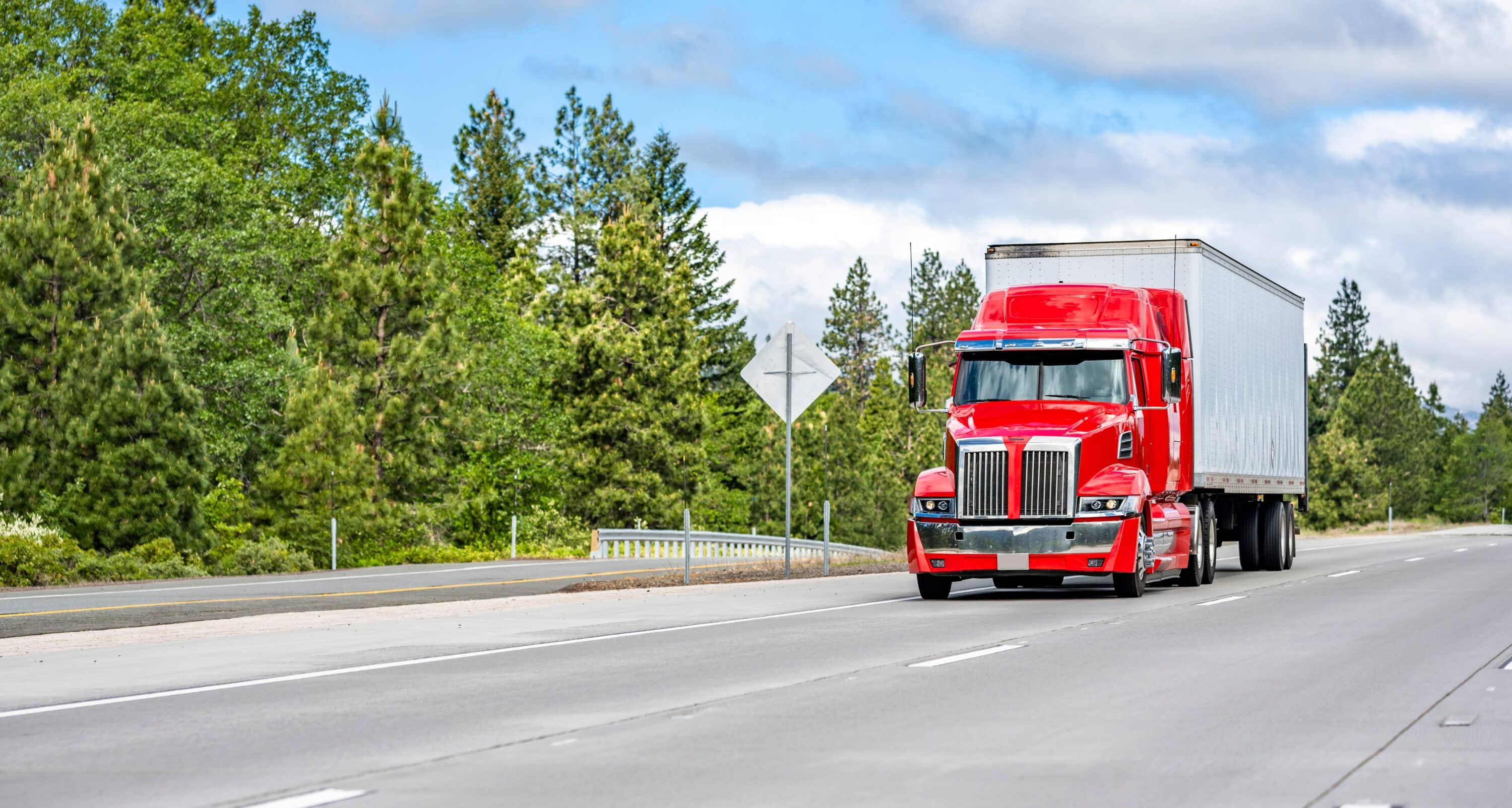
Remote testing offers an automated solution specifically for 2013 and newer diesel engine trucks. A CARB-certified device is continuously connected to the diagnostic port to run scheduled or on-demand OBD emissions scans while the vehicle remains in normal operation. The device transmits emissions data directly to the CTC-VIS portal with zero driver involvement, no tester coordination, and no vehicle downtime. This approach automates recurring testing tasks, eliminating administrative delays as testing frequencies increase to four times per year.
In-Shop Testing
In-shop testing requires driving the vehicle to a certified HD I/M testing facility. A credentialed tester conducts an OBD test for newer models or a smoke opacity test and visual inspection for older vehicles, then submits the data electronically to CARB. While this method accommodates all vehicle categories, it introduces operational downtime, driver travel time, and scheduling constraints.
Mobile Testing
Mobile testing brings a credentialed tester directly to the fleet’s terminal or yard. The tester performs the same physical inspection or OBD scan and submits the results to CARB. While mobile testing eliminates vehicle travel to an outside facility, it still requires the vehicle to remain stationary and idle during the inspection window.
While manual in-shop and mobile inspections remain necessary for older engines, automated remote testing stands out as the most efficient workflow for eligible fleets. Eliminating physical appointments, driver labor, and shop downtime turns testing into a background process — making remote telematics platforms like HOS247 the practical choice for modern fleet management.
HOS247: CARB Remote Testing Solution
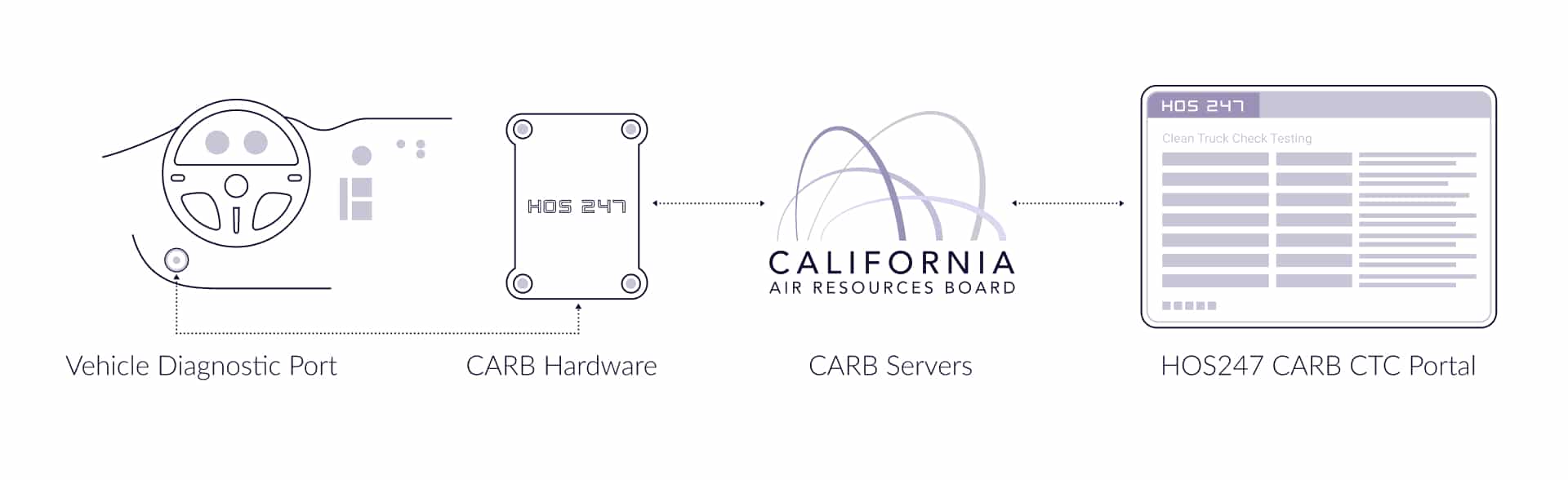
HOS247 automates Clean Truck Check emissions testing and reporting for eligible vehicles by pairing a CARB-certified telematics device with an integrated management portal and dedicated technical support.
CARB-Certified Device (PT40)
The foundation of HOS247’s remote testing solution is the PT40 hardware: a CARB-certified telematics device that plugs directly into the vehicle’s diagnostic port (compatible with standard J1939 and OBD-II protocols). The device is installed permanently, remaining connected and active in the background rather than being removed between test cycles.
This continuous connection allows the PT40 to automatically run scheduled emissions scans or trigger on-demand tests while the vehicle idles during normal operations. The captured data transmits directly to CARB’s CTC-VIS database through the device’s built-in cellular network, eliminating manual reporting or mobile phone pairing.
The device is also multifunctional, supporting ELD hours-of-service compliance, GPS tracking, and IFTA mileage calculations on a single plug-and-play unit that requires no professional technician to install. The system strictly transmits the emissions-related data required by CARB. Vehicle location data and driver logs are not included in CARB submissions.
Clean Truck Check Portal
Data captured by the PT40 device is managed through the HOS247 Clean Truck Check web portal. The portal provides centralized control across your entire fleet:
- Automated scheduling. Schedule recurring tests to align with each vehicle’s assigned compliance window.
- On-demand testing. Trigger an emissions test through the portal at any moment during your active subscription.
- Comprehensive test history. View pass/fail records and access testing histories for all enrolled assets.
- Direct CARB submission. Transmit submission records directly to CARB’s CTC-VIS database.
Once CARB’s system accepts a passing test record and verifies that annual vehicle fees are paid, the state’s system automatically generates the official compliance certificate in CTC-VIS. Fleet managers can monitor test results for all vehicles from the portal dashboard.
7-Day Support & Compliance Expertise
If any issues arise, HOS247 provides technical customer support seven days a week in multiple languages, including English and Spanish. Our team is knowledgeable in CARB CTC requirements and hardware troubleshooting — no chatbots or automated queues.
Remote testing with HOS247 allows emissions scans to run in the background and send the results directly to CARB — helping fleets maintain clean records without shop visits or operational delays.
CARB CTC Certificates: What They Are and How They Work
A major outcome of the testing process is obtaining an official state compliance record. It is essential to understand the certificate’s purpose, what it contains, and how state agencies use it to verify legal operation.
What a Certificate Is
A Clean Truck Check certificate is an official digital record generated in CARB’s CTC-VIS portal confirming that an affected vehicle has satisfied all emissions testing and fee requirements for its active compliance window. It is not a physical document carried in the vehicle cab. Instead, it exists electronically within CARB’s database. Certificates are valid for a single testing period and must be renewed each cycle by submitting a passing emissions test and paying the annual state fee.
What Information Appears on the Certificate
The digital certificate displays key vehicle details, including:
- Vehicle identification. The vehicle’s VIN, license plate number, and engine model year.
- Technical specifications. The required test protocol (such as OBD or opacity/visual).
- Test records. The test timestamp and official pass status.
- Certificate ID. A unique tracking number assigned by CARB.
- Validity period. The specific compliance dates for which the certificate remains active.
This record is accessible to fleet managers and enforcement agencies directly through the CTC-VIS portal.
How Certificates Are Used During Enforcement
Enforcement agencies check compliance status electronically using the vehicle’s VIN:
- Roadside inspections. California Highway Patrol (CHP) and state inspectors scan VINs against the CARB database during roadside stops.
- Port and railyard access. Automated gate systems at California marine terminals and intermodal yards check the state database, turning away non-compliant trucks.
- DMV registration renewal. The California DMV cross-checks the CTC-VIS portal and places registration holds on local vehicles lacking an active compliance status.
- CARB audits. State auditors review a carrier’s historical certificate records during routine fleet compliance reviews.
What Happens After a Failed Test
If a vehicle fails an emissions scan, CARB does not issue a compliance certificate. The vehicle is marked non-compliant, requiring the operator to perform repairs and submit a passing retest before the submission window closes. With HOS247, the portal reflects the failed test status and fleet managers can run unlimited on-demand retests, which are included with active subscriptions
Penalties for CARB CTC Non-Compliance
Missing CARB CTC testing deadlines or operating uncertified vehicles creates significant legal and operational risks that can disrupt business operations:
- Financial penalties. Monetary fines can begin immediately after a compliance deadline passes without a passing test recorded in CTC-VIS. Fines escalate if a failed test goes unaddressed.
- DMV registration holds. Non-compliant California-registered vehicles receive administrative holds from the DMV, preventing registration renewals until compliance is restored.
- Denied port and railyard access. Automated terminal entry systems cross-reference state records in real time, denying entry to uncertified trucks and disrupting freight delivery schedules.
- Roadside enforcement citations. State inspectors and CHP officers issue citations during roadside checks if a truck lacks an active compliant status in the state system.
- Increased audit risk. Operating non-compliant vehicles flags a carrier for increased scrutiny during state fleet audits.
Out-of-state vehicles operating on California public roads face these exact same operational penalties and financial citations. Remote testing turns compliance into a hands-off background process: once configured, the system automatically detects open testing windows, executes emissions scans during regular operations, and transmits results directly to CARB without requiring ongoing manual tracking.
Frequently Asked Questions About CARB CTC
Conclusion: CARB CTC Compliance Is Expanding — Preparation Starts Now
The California regulatory landscape is shifting, and the Clean Truck Check program is actively enforced. Continuous compliance is mandatory for covered vehicles, and testing frequency for OBD-equipped trucks is set to double.
While tracking semi-annual testing requires careful administrative oversight, managing two manual shop visits per vehicle each year remains manageable for smaller fleets. However, beginning in October 2027, the required testing frequency for these vehicles increases to quarterly submissions. Managing four separate manual inspections per vehicle every year creates a significantly greater administrative and operational burden for a fleet.
Fleets operating in California must assess their operations. Remote OBD testing with HOS247’s CARB-certified PT40 device paired with the Clean Truck Check portal automates emissions data collection and transmission. Tests run during routine operations, results go directly to CARB, and state records update without pulling trucks off the road.
For eligible fleets seeking to automate routine emissions testing, HOS247 offers a CARB-certified remote testing device with automated scheduling, direct CARB submission, and efficient 7-day multilingual support. Contact HOS247 to learn more about the PT40 device and the Clean Truck Check web portal.

I’ve co-founded, built and managed several transportation-related businesses. Now, I’m a founder and CEO of HOS247 – an AI Transportation Platform for trucking companies, freight brokers and other logistics operations. We are transitioning old-style operations to technology-advanced logistics entities and help them to grow their businesses. ELDs (electronic logging devices), fleet tracking and management 2.0 combined with AI-powered dispatch tools.








Truckers who integrate all in one ELD fleet management systems to their businesses can significantly improve their operations by achieving compliance with the elog law while optimizing essential workflows. These systems streamline processes such as route planning, dispatch, vehicle maintenance,
In the world of trucking, accurate record-keeping isn’t just good business practice — it’s the law. For decades, truck drivers filled out paper logbooks, recording their working hours, rest periods, and miles traveled. The switch from paper logs to driver
Imagine sitting in the cab with a DOT officer standing at your window, while your tablet screen is stuck on a spinning “Connecting…” wheel. In that high-pressure moment, the modern design of your application means nothing. The only thing that