
Choosing a Tractor Trailer GPS Tracking System
There are multiple factors to consider when picking a tracker for your trailers. A good place to start is to outline your fleet management needs and look for a solution with the appropriate features to meet them. For example, if your fleet works across state lines, then the ELD mandate will most likely apply to your operations and an electronic logging device will be a critical requirement.
This may sound like a setback but is actually an opportunity to solve two issues in a single stroke. There are quality electronic logbook systems that include tractor trailer GPS tracking capabilities, allowing truckers to work with a single provider and get the benefits of both systems. Aside from that, we recommended to look for the following qualities in a tracking solution:
- Efficient technical support. The technology used in tractor trailer tracking devices is highly complex, and it is important for it to work seamlessly so you get the most out of your investment. Make sure your provider offers efficient customer support to help you troubleshoot and answer any questions you may have about the system.
- Compatible hardware. Fleets are made up of several types of vehicles and come in different sizes, so your technology should be compatible with different types of trucks. Try to find a GPS tracking device for tractor trailers that works with your vehicles.
- Easy setup. A simple installation process means no extra fees for special installation and that you can set the system up in little time.
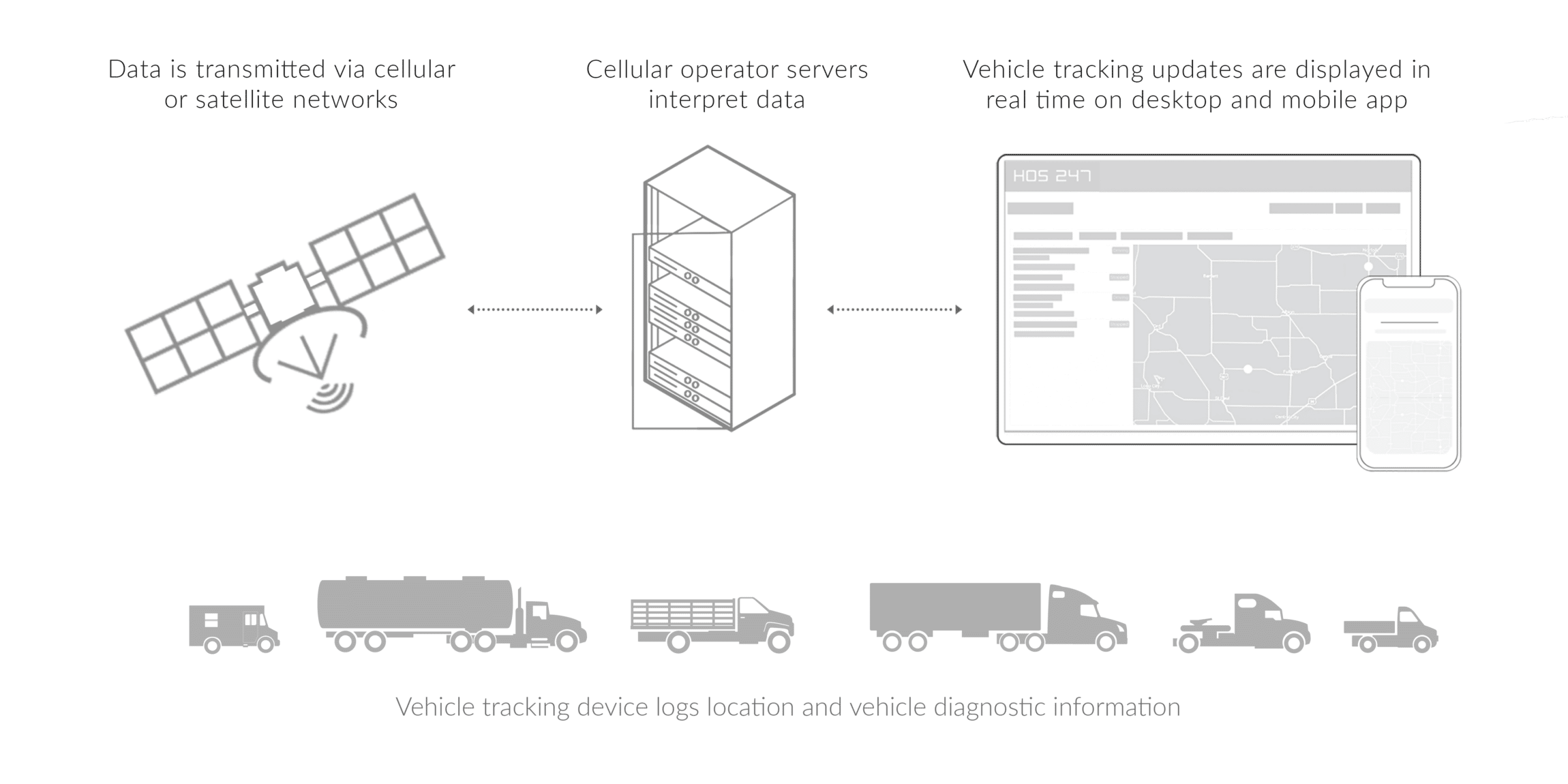
- Real-time tracking. Tractor trailer tracking systems may show location data through periodic updates. However, real-time information is more useful in improving coordination between drivers and dispatchers, increasing safety, and keeping fleet managers properly updated.
- Refresh rate standards. To maintain high-value load security and provide precise ETAs, a refresh rate of 15–30 seconds is now the industry benchmark. This level of frequency ensures that dispatchers aren’t looking at “ghost” locations from ten minutes ago, but rather the exact current position of the asset.
- Advanced connectivity. To ensure longevity, your system must integrate 4G technology, for deep signal penetration, allowing the tracker to maintain a connection in rural dead zones or deep within metal warehouses and distribution centers.
Ultimately, the right tractor trailer GPS tracking system is more than just a compliance tool; it is a foundational piece of technology that empowers your business to operate with greater precision and security. By prioritizing deep-signal connectivity and high-frequency data refreshes, you ensure that your fleet is equipped to handle the demands of modern logistics while protecting your assets from the growing risks of the road. Finding a solution that checks all these boxes will provide the peace of mind and operational edge necessary to thrive in an increasingly competitive industry.
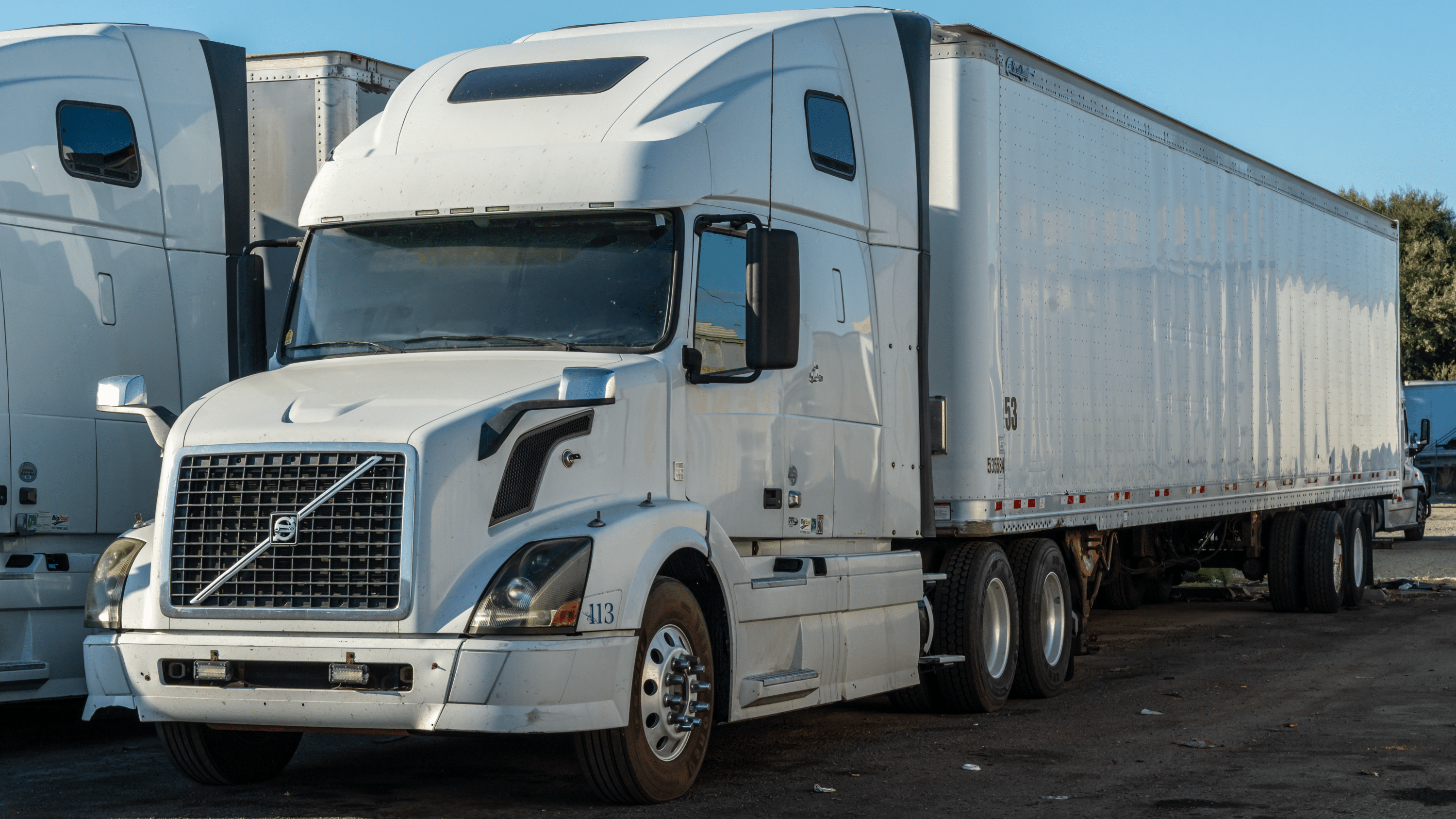
The Financial Case: Calculating Your ROI
Investing in a tractor trailer GPS tracking system is not merely an operational upgrade; it is a strategic financial decision. For many carriers, the initial concern is the upfront cost of hardware and monthly subscriptions. However, when you analyze the Return on Investment (ROI), the system often pays for itself within the first few months of implementation. By turning “invisible” operational leaks into visible data, you can plug the gaps that drain your bottom line.
Direct Savings: Annual Breakdown Per Truck
To understand the financial impact, it is helpful to look at the numbers. Below is a breakdown of the typical annual savings a fleet can expect by leveraging a high-quality tracking and telematics solution.
|
Savings Category |
Estimated Annual Savings (Per Truck) |
Primary Driver of Savings |
|
Fuel Efficiency |
$1,500 – $2,500 |
15% reduction through idling alerts and speed governing. |
|
Labor Recovery |
$800 – $1,200 |
Eliminating unauthorized side-trips and “detour” miles. |
|
Insurance Premiums |
$1,000 – $1,800 |
10%–15% discount for sharing safety and location data. |
|
Maintenance |
$500 – $900 |
Preventing major repairs via real-time fault code alerts. |
|
Total Estimated Savings |
$3,800 – $6,400 |
Per truck, per year. |
Understanding the Payback Period
For small-to-mid-sized fleets, the “Break-Even” point is the most critical metric. This is the moment when the cumulative savings from the system exceed the total cost of the technology.
In the current trucking landscape, most fleets reach the break-even point within 3 to 6 months. The fastest path to ROI usually comes from fuel management; since fuel is a carrier’s largest variable expense, even a 5% reduction in idling can cover the monthly subscription fee for the entire fleet. When you factor in the recovery of a single stolen trailer or the avoidance of a single “out-of-service” violation during an inspection, the system doesn’t just pay for itself — it becomes a significant profit center for your business.
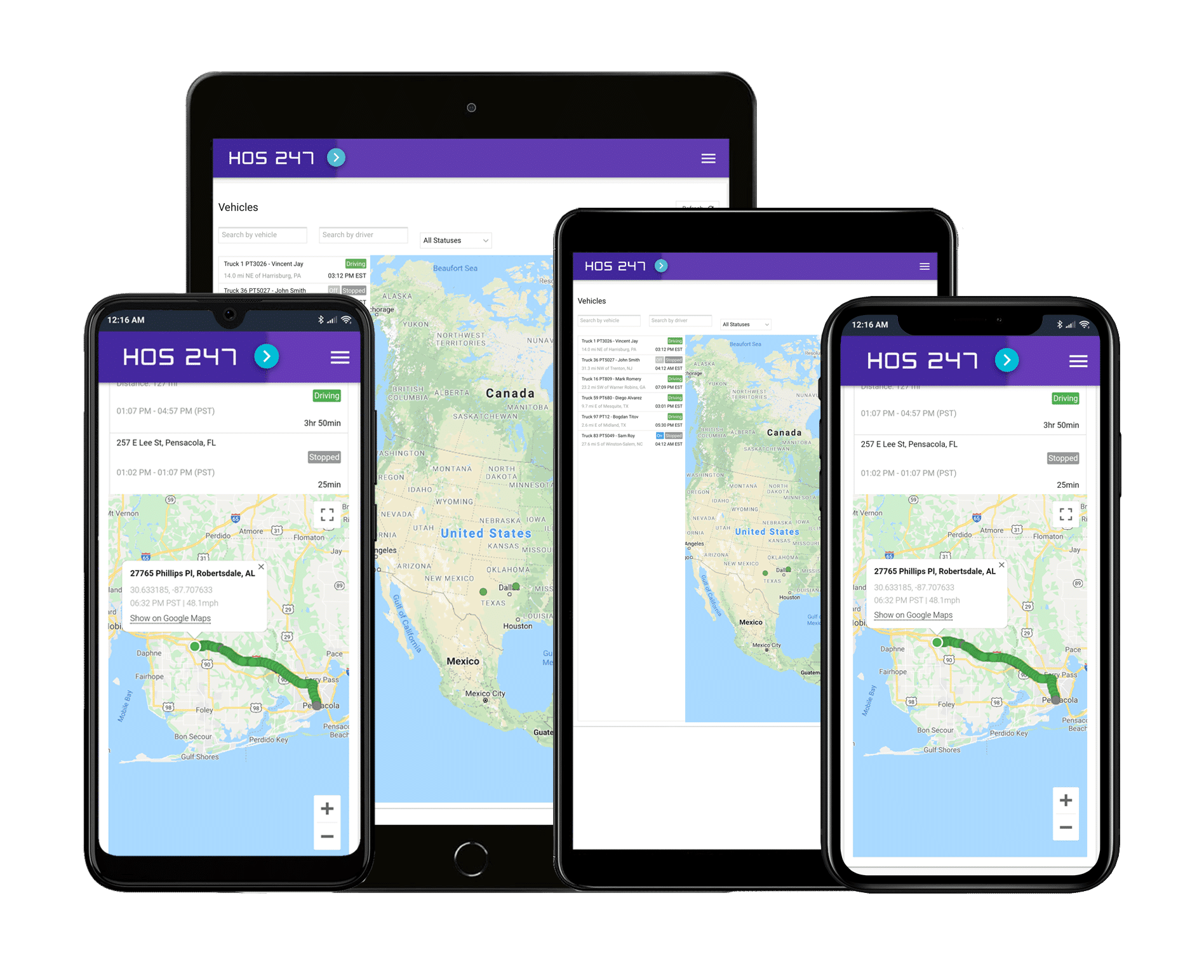
Benefits of HOS247 4G GPS Tracking System
Truckers need a modern, durable and trustworthy tractor trailer GPS tracking system that will perform as expected for years to come. HOS247 is a consolidated fleet management provider with premium customer service and several benefits to help fleets improve operations, optimize their costs, and keep drivers safe.
Here are some of the main benefits of the HOS247’s tractor trailer GPS tracking system:
- Cost savings. HOS247 GPS tracking offers valuable insights to cut fuel costs significantly:
- Less speeding. Better speed control curbs fuel use without causing delays and avoids unnecessary risks associated with unsafe driving.
- Less idling. Excessive idling increases fuel use significantly. GPS devices monitor this behavior, allowing managers to help drivers correct the behavior and use fuel more efficiently.
- Better planning. GPS tracking allows operations to be prepared with more accurate and reliable information, reducing delays and ensuring drivers don’t have to take risks due to time constraints.
- Improved safety. HOS247 has built-in mechanisms to keep the fleet safe:
- Hidden tractor trailer tracking devices. This helps recover stolen vehicles or assets. Although not all that common, this measure can prevent catastrophic losses.
- Maintenance schedules. Large fleets need good follow-up processes for maintenance. The system can track preventative maintenance routines, reduce instances of breakdown, prolong vehicles’ useful lives, and ensure compliance with safety standards.
- Accident notification. The system notifies fleet managers whether a vehicle has been involved in an accident to facilitate a prompt and appropriate response.
- Easy to use and install. The HOS247 GPS truck trailer GPS tracking solution is downloadable from a standard internet browser. The client can install the software on the spot and may update and maintain the system without sharing personal information. The manager can then login and everything will be ready for use. The GPS tracking device for tractor trailers itself is extremely easy to install and it can be done without any training.
- Improved customer support. Better information equals better decisions and better services. Accurate locations allow dispatchers to:
- Pinpoint the driver closest to the job easily.
- Determine the best routes for drivers to take and avoid roadblocks and excess traffic.
- Keep a backup record of all jobs completed and therefore improve accountability.
- 4G connectivity. HOS247’s tractor trailer GPS tracking incorporates 4G LTE network connectivity, making sure to meet the standard required to achieve the performance expected by the public.
- Vehicle diagnostics. The system issues real-time alerts whenever a fault code that could impact the vehicle’s performance is detected; you can also identify recurring issues with historical fault code reports.
By combining rugged hardware with intelligent software, HOS247 provides more than just a tracking tool; it provides a comprehensive safety and efficiency ecosystem. This proactive approach not only protects your drivers and equipment but also builds a culture of excellence that resonates with shippers and insurance providers alike.

Predictive Uptime: The End of Roadside Breakdowns
In the trucking industry, the most expensive mile is the one that never happens because a truck is sitting on the shoulder of a highway. Traditional maintenance has always been reactive or based on simple mileage intervals, but HOS247 is shifting the paradigm toward Predictive Uptime. By integrating tractor trailer GPS tracking with deep vehicle diagnostics, we are effectively ending the era of the “unforeseen” breakdown.
Machine Learning in Maintenance
HOS247 utilizes advanced data processing to analyze historical fault data alongside real-time engine pings. By monitoring subtle fluctuations in voltage, pressure, and temperature, the system can identify the early warning signs of component fatigue. This allows the software to predict failures in critical parts — such as alternators, water pumps, or air brake valves — weeks before they actually fail. Instead of a driver losing a day of work to a dead battery in the middle of a route, the system flags the alternator for inspection during the truck’s next scheduled window.
Automated DVIR Workflows
Efficiency is gained when data flows without manual intervention. HOS247’s digital Driver Vehicle Inspection Reports (DVIR) feed directly into your maintenance scheduling software. When a driver identifies a defect during a pre-trip or post-trip inspection, the system automatically creates a record that triggers a maintenance alert. This creates a closed-loop system where issues are documented, tracked, and resolved without a single piece of paper changing hands.
Exception-Based Management
The goal of modern fleet management is to move toward Exception-Based Management. Rather than manually checking the health of every truck every day, managers are only notified when a specific “exception” (a fault code or safety violation) occurs. This allows you to turn high-priority diagnostic fault codes into scheduled shop visits. By catching a cooling system leak in the yard rather than on the interstate, you replace a $4,000 emergency tow and an expensive roadside repair with a standard, controlled maintenance cost.
Active Compliance: FMCSA Clearinghouse & TPR Integration
Compliance is often seen as a burden of paperwork and constant checking. However, HOS247 transforms this into Active Compliance, where the system does the heavy lifting of verifying that every driver behind the wheel is fully qualified and authorized to operate.
Automated DQ Files
Maintaining Driver Qualification (DQ) files is one of the most tedious aspects of fleet administration. HOS247 simplifies this by connecting directly to the FMCSA Clearinghouse and the Training Provider Registry (TPR) via API. The system can automatically query these databases to ensure a driver’s status is current and that they have completed the necessary entry-level driver training. This automation ensures that your DQ files are always “audit-ready” without the need for manual data entry or constant spreadsheet updates.
Proactive Prevention
The most powerful feature of an integrated GPS and ELD system is its ability to stop a violation before it starts. HOS247’s “Active Compliance” logic can be configured to prevent “unqualified” or “non-compliant” drivers from logging into the system. If a driver’s medical certificate has expired or if they have a “Prohibited” status in the Clearinghouse, the system can restrict their ability to start a trip. This proactive approach protects the carrier from the massive liabilities associated with operating an unqualified driver and ensures that your CSA scores remain untarnished.
ELD-Based GPS Tracking Systems
The FMCSA issued the ELD mandate to improve road safety and keep drivers operating within the established HOS rules established to reduce accidents due to driver fatigue. HOS247 trackers can integrate with an electronic logging system to keep fleets compliant with elog rules while enjoying all the benefits of GPS technology.
About the ELD Mandate
The mandate has four guiding principles:
- Mandatory use of electronic logbooks. Under the mandate, commercial vehicle drivers must abide by HOS regulations and keep records of their activity with an electronic logging device as evidence of their compliance.
- Standardized performance. The DOT is responsible for enforcing the mandate, and also set up specific performance and design requirements for the ELD.
- Supporting document use. The federal mandate has also stated requirements for the necessary supporting documents for drivers and carriers to have available in case of inspection.
- Prohibition on harassment. The FMCSA strictly bans harassment of drivers on the basis of the data collected by the elog system and has a process for drivers to denounce such events.
The Current Regulatory Landscape: Digital Supporting Documents
In the current regulatory environment, the FMCSA has shifted toward a more streamlined, digital-first approach. Recent updates have focused on Registration Modernization and the elimination of paper-heavy requirements. For example, drivers are increasingly permitted to carry digital versions of the ELD operator’s manual and instruction sheets directly on their devices rather than physical copies.
Furthermore, the “Supporting Document” requirement — which traditionally involved a mountain of paper fuel receipts and toll stubs — is being modernized. Carriers are now encouraged to utilize digital timestamps from GPS and telematics data as primary verification tools. By linking GPS location pings directly to HOS logs, HOS247 helps satisfy the requirement for up to eight supporting documents per 24-hour period, significantly reducing the administrative burden on both drivers and office staff.
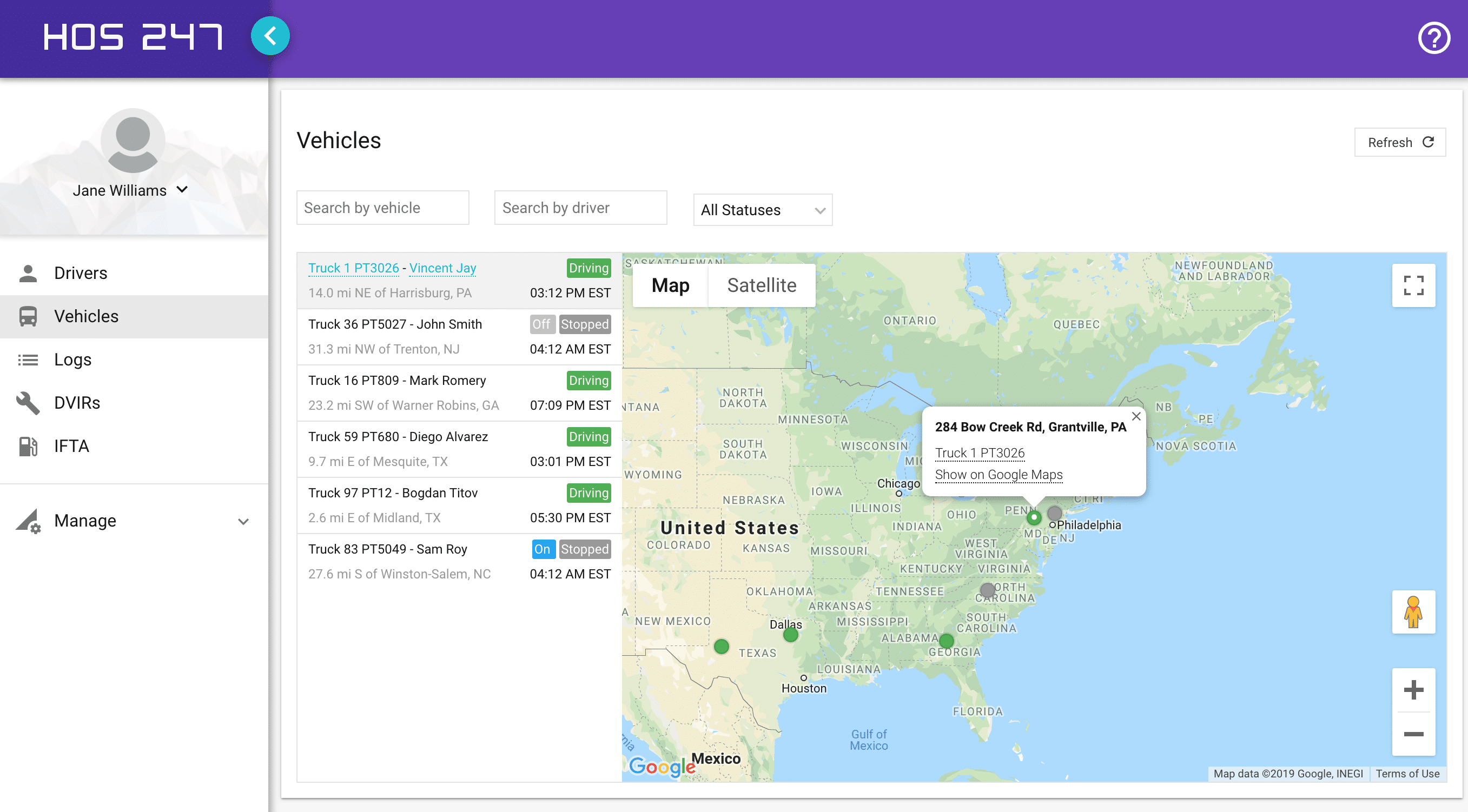
Ways ELDs Can Help Your Business
Although the focus of this article is on tractor trailer GPS tracking, we mentioned ELDs before for a good reason. First and foremost, most commercial vehicles require electronic logging devices to comply with federal regulations. However, these devices can be a useful tool. Here are some examples of the secondary benefits of electronic logbooks:
- Automatic records of duty status, which mean less paperwork and easier file management.
- ELD assistance in HOS compliance, leading to fewer infractions, lower fines, and improved CSA scores.
- Lower insurance premiums through the sharing of verified safety data.
- Support for IFTA mileage calculations and simplified tax reporting.
“Digital Exoneration”: Protection Against Nuclear Verdicts
Perhaps the most significant business advantage in today’s legal climate is Digital Exoneration. In the United States, trucking companies are increasingly facing “Nuclear Verdicts” — jury awards significant sums — often based on claims of carrier negligence.
Combined ELD and GPS data serve as an “indisputable witness” in court cases. When an accident occurs, plaintiff attorneys may argue that a driver was fatigued or that the truck shouldn’t have been on the road. However, a turnkey system like HOS247 provides hard data to prove that the driver was operating safely and legally. This evidence allows carriers to fight false claims and, in many cases, settle disputes or have cases dismissed before they reach a trial, saving the company from catastrophic financial loss.
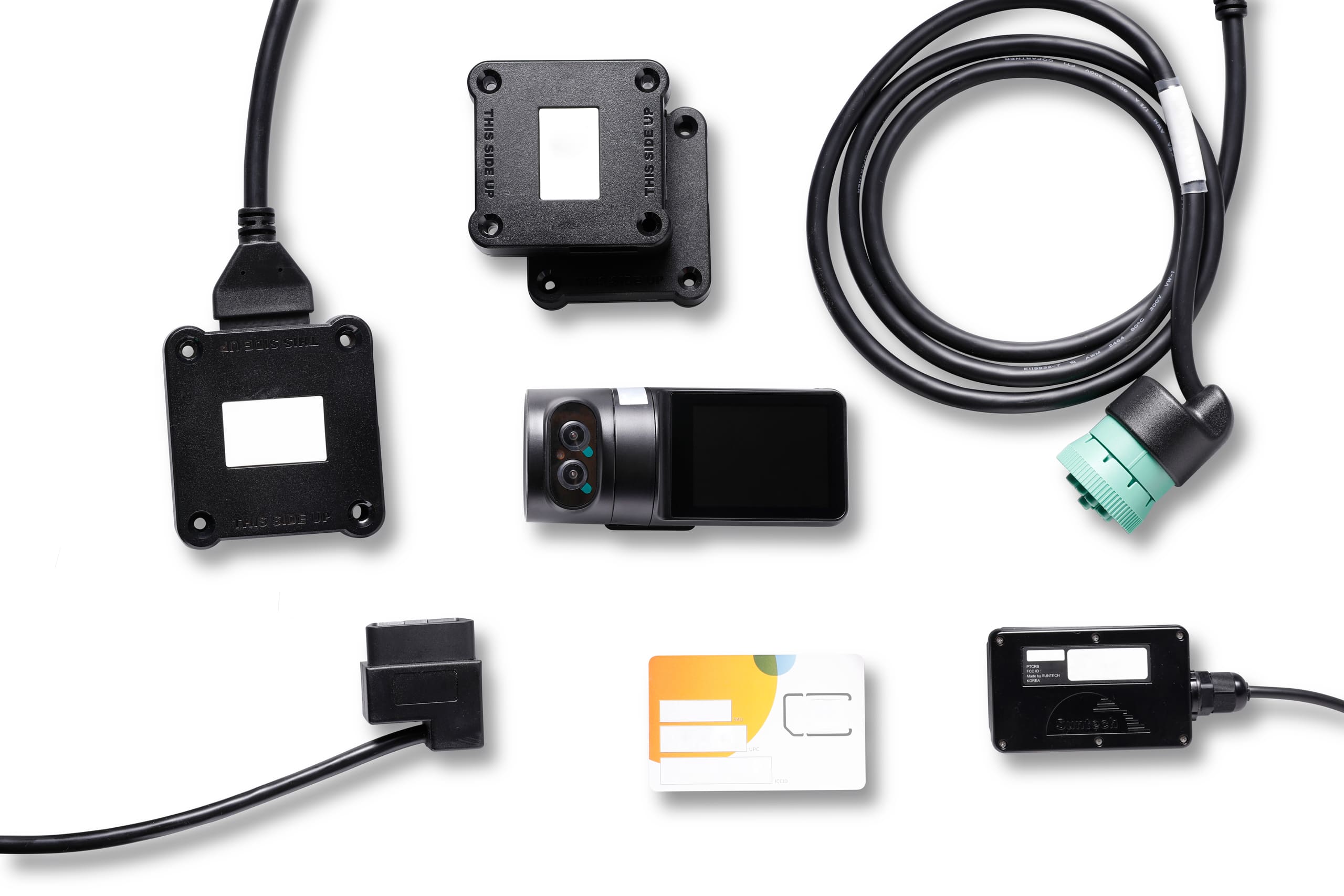
HOS247 Is a Top-Rated ELD Provider
The team at HOS247 works to develop solutions that suit a wide range of trucking needs. We have found ways to improve the standard ELD to bring customers added value and many tools to enhance the fleet’s capabilities and performance. HOS247 offers the following advantages:
- Durable hardware. Our devices are made with high-quality materials to minimize the risk of breakage.
- Quick and easy setup. HOS247’s hardware piece can be installed in minutes by anyone in your staff. Drivers can connect their smartphone or tablet of choice via Bluetooth and the system will be set and ready to go.
- Top-tier customer support. Our technical team is available to customers every day of the week and in four language channels (English, Spanish, Russian, and Polish). Our callback policy makes sure customers’ issues are followed up on if the call drops.
- Trial period. Customers at HOS247 are entitled to a tryout period of two weeks to get familiar with the elog and the tractor trailer GPS tracking feature so they can make an informed decision. If they choose not to keep the service, they may return it during that time and receive a hassle-free refund.
- No contract policy. Our plans are flexible and do not require the client to sign any contracts; they can be scaled up, down or canceled as the business needs change.
- Ease of use. HOS247 logbooks have an intuitive interface that allows users to navigate with ease and manage logs efficiently.
Choosing a provider that balances robust hardware with world-class, human-centered support is what sets a fleet apart from its competition. HOS247 doesn’t just provide a device; we offer a partnership that respects the unique needs of every carrier. By removing the barriers of restrictive contracts and language gaps, we allow you to focus on what matters most: keeping your drivers safe and your trucks moving toward higher profitability.

Scaling Your Business with Confidence
The transition from a small carrier to a major fleet requires more than just more trucks; it requires a foundation of intelligence and reliable data. Tractor trailer GPS tracking has evolved from a luxury into a fundamental requirement for survival in a high-cost, high-liability environment. By implementing a system that offers predictive maintenance, active compliance, and real-time visibility, you aren’t just following a mandate — you are building a more profitable, resilient operation.
At HOS247, we pride ourselves on being the partner that grows with you. Whether you are an owner-operator with a single truck or a fleet manager overseeing five hundred units, our scalable, no-contract solutions are designed to adapt to your changing needs. By choosing a partner that understands the nuances of the road, the complexity of the regulations, and the diversity of the American trucker, you can scale your business with the confidence that your assets are protected and your operations are optimized for the long haul.
Ready to take your fleet to the next level? Contact HOS247 today for a consultation and start your 14-day hassle-free trial.

I’ve co-founded, built and managed several transportation-related businesses. Now, I’m a founder and CEO of HOS247 – an AI Transportation Platform for trucking companies, freight brokers and other logistics operations. We are transitioning old-style operations to technology-advanced logistics entities and help them to grow their businesses. ELDs (electronic logging devices), fleet tracking and management 2.0 combined with AI-powered dispatch tools.









GPS tracking technology has become an indispensable tool for modern fleet management, delivering measurable benefits for businesses of all sizes. By leveraging advanced tracking systems, operators can significantly reduce operational costs, improve driver accountability, and maintain full compliance with ELD
If you are looking for ways to cut operational costs, increase fleet security and streamline workflows, you may want to learn more about truck monitoring systems available on the market. Enhanced with telematics technology, GPS devices for truckers allow motor

A commercial driver operating well within their daily time limits can still receive an out-of-service (OOS) order during a routine roadside check. This occurs because modern enforcement officers look beyond basic driving hours to evaluate the technical accuracy of the