Truck Fleet Management System is on Guard for Your Transportation Business

Operating a transportation company without an integrated platform creates a significant disadvantage in the current freight market. Smart fleets use operational data to control expenses, lower insurance premiums, and optimize fuel use. Truck fleet management systems rely on predictive intelligence to anticipate mechanical issues before they cause costly roadside breakdowns. A tracking device operates as a digital co-pilot that monitors engine fault codes and component wear in real time. Access to accurate metrics enables fleet managers to eliminate operational waste and secure better contracts with shippers who demand total visibility.

Today no business associated with vehicles will do without smart fleet management. A combination of hardware and software includes, among other things, various vehicle tracking and maintenance systems. Maintenance scheduling, unnecessary driving/idling time reduction, and accurate record help to minimize the risk that something goes wrong. Moreover, the electronic logging device installation became mandatory from December 2017 with the entry of the Federal Law on Vehicle Safety in the US into force. When installing a fleet management system compatible with an electronic logging device, commercial vehicle owners not only provide safe driving conditions but also follow the letter of the law.

Fleet management technology serves as a central point of control, transforming how carriers handle operations across long distances. This data-driven strategy ensures that compliance, safety, and operational tracking work together to protect carrier margins.

Do you have any questions? Talk to  ELD Advisor:  650-405-3372 or Request Callback

Flexible plans whether you have 1 or 500 vehicles

What Is a Truck Fleet Management System and What Is It Used For?

A fleet management system is a centralized digital platform that connects vehicles, drivers, and back-office staff. The technology combines hardware units plugged into the vehicle diagnostic port with cloud-based software to collect, transmit, and analyze operational data. This setup ensures that dispatchers, safety managers, and maintenance personnel work from the same accurate information, streamlining daily workflows and improving administrative efficiency across the entire organization.

The entire operational structure relies on four main pillars to support carrier growth:

  • Compliance. Automate regulatory requirements to stay audit-ready. The system manages hours of service records, vehicle inspection reports, and international fuel tax agreement tracking without manual paperwork.
  • Safety. Protect drivers and equipment through consistent driving analysis. Monitoring speed, hard braking, and rapid acceleration helps identify areas where coaching is required to reduce on-road risks.
  • Efficiency. Streamline routing and dispatch operations to maximize revenue. Real-time tracking reduces empty miles, manages engine idling times, and improves arrival accuracy for customers.
  • Maintenance. Modernize garage schedules with automatic fault alerts. Tracking actual mileage and engine hours allows mechanics to perform preventative service, extending the lifespan of the equipment.

These interconnected pillars provide the operational foundation that carriers need to reduce overhead and improve safety scores.

Features and Components Fleet Management Systems

These systems can be divided into several parts; each is responsible for a specific area of data collection:

  • Tracking and diagnostics. Collect live data on the location and status of the vehicle to keep dispatchers informed.
  • Operations control. Manage route planning and communication with drivers to ensure efficient asset movement.
  • Vehicle maintenance. Set up service alerts based on mileage or engine hours to avoid unexpected breakdowns.
  • Fuel management. Convey data on how quickly fuel is used to help identify wasteful operating habits.
  • Safety management. Collect data, such as vehicle speeds, to identify high-risk drivers and reduce liabilities.
  • Financing. Signal when vehicle wear indicates that replacement or major overhauls are necessary.
  • Hours of service management. Record data on drivers’ working hours and breaks to ensure complete regulatory compliance.

From a technical point of view, each fleet management system includes software and hardware. The first consists of vehicle software for collecting data on vehicle location or engine condition, alongside the programs by which a manager receives and interprets the information. The second consists of physical sensors and data interfaces embedded directly within the vehicle.

management of fleet trucks

Why Do You Need It, Who Needs It, and How It Protects Margins

Operating a transportation business with visible financial leaks is no longer viable in the current economic landscape. High operating costs make inefficiencies like excessive engine idling and out-of-route miles completely unsustainable for carrier margins. Fleet management platforms resolve these issues by identifying exact waste points, allowing companies to tighten budgets and protect their bottom lines.

The application of this technology varies based on the specific scale of the operation:

  • Owner-operators. Independent drivers require simple tools to remain fully compliant with hours of service regulations and international fuel tax agreement audits. The system automates distance tracking by state jurisdiction, removing the burden of manual mileage logs and reducing administrative stress during tax season.
  • Small-to-mid fleets. Growing companies must focus heavily on driver retention and fuel cost reductions. Integrating fuel card data with GPS tracking allows managers to eliminate unauthorized fuel purchases and recognize top-performing drivers, which improves morale and keeps equipment moving efficiently.
  • Enterprise carriers. Large-scale operations rely on deep integrations between telematics systems and corporate software through application programming interfaces. This connectivity enables advanced transport management systems to handle capacity-aware routing, automated dispatching, and automated customer notifications across thousands of assets.

Regardless of fleet size, implementing a centralized tracking system provides the structural oversight necessary to secure profitable broker contracts and maintain operational control.

Fleet Telematics: How It Works From Cabin to Cloud

Understanding the underlying technology reveals how data transforms into actionable intelligence in near real time. The entire process resembles a continuous electronic relay race, moving information from the truck cabin to the office dashboard in seconds. This continuous communication flow ensures that fleet managers can make decisions based on live field conditions rather than historical guesswork.

The information pathway follows a strict data architecture to maintain speed and accuracy:

  1. Data collection. The hardware unit reads engine data directly from the electronic control module, capturing speed, fuel consumption, and fault codes.
  2. Cellular transmission. The device transmits these metrics over reliable 4G or 5G cellular networks using a secure, high-frequency update cycle.
  3. Cloud processing. Centralized servers receive the raw telematics data, instantly parsing, organizing, and analyzing the information against historical fleet patterns.
  4. Dashboard display. The web-based portal displays the finalized metrics to dispatchers and safety personnel in a clear, readable format.

Modern hardware systems also utilize edge computing to process critical safety events directly on the device. For example, an artificial intelligence dashcam analyzes driver distraction locally on the camera hardware. This edge processing allows the system to issue an immediate in-cab audio alert to the driver, while simultaneously uploading the video clip to the cloud for manager review. This combination of local and cloud processing ensures both instant driver protection and complete office documentation.

Benefits of Installing Truck Fleet Management Systems

Implementing a comprehensive telematics platform yields immediate advantages across every layer of a transportation business. From the back office to the highway, having access to precise vehicle analytics transforms operational chaos into organized, predictable growth. Instead of guessing at fuel waste, maintenance needs, or safety risks, carriers can rely on concrete metrics to make informed choices that directly improve their bottom line.

Economic Benefits

One of the main advantages is cost savings. It is achieved through several functions of the control system:

  • Fuel economy. Fuel represents one of the largest operating expenses for any carrier. System reports allow managers to identify inefficient driving patterns, helping fleets reduce total fuel expenditures by up to 30 percent.
  • Idle time reduction. Fleet managers can monitor engine idling through logbook data to address wasteful habits. Reducing unnecessary idling protects engine components and lowers fuel consumption.
  • Increase efficiency. Monitoring routes with real-time tracking allows dispatchers to make immediate adjustments. This routing precision reduces empty miles and ensures vehicles operate on the most efficient paths.

Benefits for People and Transport

Implementing an electronic logging device ensures strict compliance with hours of service regulations, helping fleets manage driver schedules effectively to reduce fatigue-related risks. Regular maintenance schedules, driven by automated data tracking, ensure that commercial motor vehicles remain in safe operating condition, preventing roadside failures and dangerous mechanical breakdowns.

The integration of global positioning systems also eliminates the need for separate anti-theft tracking hardware. Centralized software allows fleet managers to monitor asset locations continuously and coordinate with law enforcement to secure equipment in an emergency. Ultimately, these operational improvements lead to consistent delivery times, which builds trust and protects long-term relationships with customers.

CSA Score Protection

Maintaining a strong safety profile is critical for securing profitable freight contracts from elite brokers. Proactive fleet monitoring helps carriers keep compliance scores low by eliminating common paperwork errors, such as form and manner violations. By tracking hours of service electronically and alerting drivers to upcoming violation limits, the system protects the company from critical department of transportation safety flags.

Exoneration Through Evidence

Verifiable data protects professional drivers from false liability claims during on-road incidents. When a dispute occurs after an accident, fleet managers can review precise electronic breadcrumbs and high-definition video files. Providing insurers and law enforcement with factual evidence regarding exact vehicle speed, braking points, and road video serves to prove driver innocence rapidly. This transparent documentation saves thousands of dollars in legal fees and protects the reputation of the carrier. 

Strategic Decision Making: Calculating Your ROI

Investing in a management platform requires a clear understanding of the financial return. Fleets typically realize measurable savings across several operational categories within the first few months of deployment. By analyzing specific cost reductions, management can determine the exact payback period for the technology investment.

The table below outlines typical conservative performance improvements for a standard regional fleet within the first six months of system implementation:

Cost Category

Operational Focus

Estimated Expense Reduction

Fuel Consumption

Idling management and routing

5% to 10%

Maintenance

Preventative service and fault codes

15% to 20%

Administrative Labor

Automated IFTA and log auditing

25% to 30%

Insurance Premiums

Verified safety tech utilization

10% to 15%

Commercial insurers in the United States increasingly recognize the value of active safety technology. Many major insurance providers offer premium discounts ranging from 10 to 15 percent for motor carriers who deploy dual-facing artificial intelligence dashcams and verified tracking systems. These standard insurance incentives, combined with immediate fuel and maintenance savings, allow the platform to pay for itself quickly. 

Devices: Choosing the Right Hardware for Your Truck

Selecting the correct hardware option depends entirely on the operational requirements of the fleet and the specific types of vehicles involved. Providers offer distinct hardware configurations designed to balance ease of deployment with deep mechanical diagnostic capabilities.

Carriers can choose from three primary hardware categories based on their asset deployment strategy:

  • Plug-and-play devices. These units connect directly to the standard onboard diagnostic port of the vehicle. This hardware configuration is ideal for rapid deployment across light-duty or medium-duty vehicles, allowing drivers to install the hardware in less than 10 minutes without specialized tools.
  • Hardwired tracking units. Heavy-duty trucks and assets requiring permanent tamper resistance rely on hardwired installations. These devices connect directly to the vehicle ignition system switch behind the dashboard, providing constant power and maximum data security for long-haul operations.
  • Asset tracking hardware. Unpowered equipment such as dry vans, flatbeds, and refrigerated trailers require specialized tracking solutions. These rugged units rely on long-life internal batteries or solar panels to transmit location pings, ensuring long-term security for assets left in drop yards.

Matching the specific hardware type to the operational demands of each asset class ensures consistent data collection without interrupting daily schedules. 

What Is Worth Your Attention When Choosing a System?

So, the fleet management system is both necessary and useful in all senses, and beneficial. How to choose a company that provides the necessary devices and software? You should follow several principles.

First, make sure that the system has the functions necessary for your business. A number of features are usually included in the standard offer:

  • Dashboards with key metrics. Review operational data at a glance through a centralized interface.
  • Communication and navigation options. Provide drivers with clear routes and direct administrative contact.
  • Tracking driver’s safety. Monitor performance metrics to identify areas for professional coaching.
  • Ongoing customer support. Access technical assistance whenever operational issues arise on the road.

Integration and Open APIs

Modern operations require software that communicates seamlessly with existing business systems. When evaluating a platform, confirm that the system features open application programming interfaces to connect with existing fuel cards, dispatch software, and accounting platforms. Integrating these systems eliminates double data entry, reduces clerical errors, and speeds up invoicing workflows.

Scalability

A technology platform must accommodate business growth over time without requiring expensive hardware replacements. Ensure the software system can manage a growing roster of trucks and trailers smoothly, whether a carrier operates 10 vehicles today or plans to manage 100 next year. Selecting a scalable system ensures that operational processes remain stable as the fleet expands.

Do you have any questions? Talk to  ELD Advisor:  650-405-3372 or Request Callback

Add options as you grow when you need them

Implementation Guide: A 5-Step Checklist

Successfully deploying a telematics platform requires a structured onboarding strategy to minimize operational disruptions. Moving too quickly can overwhelm administrative staff and create friction with driving personnel. Following a systematic implementation checklist ensures that the new technology integrates smoothly into daily workflows and delivers immediate value.

Carriers should execute the onboarding process using these five sequential phases:

  1. Pilot program. Begin deployment by installing hardware units on a small subset of vehicles to test software configurations under standard operating conditions.
  2. Staff training. Conduct targeted educational sessions for dispatchers on asset search functions and train drivers thoroughly on hours of service log management.
  3. Establish procedures. Define clear operational protocols for back-office employees regarding who responds to after-hours geofence alerts and critical safety events.
  4. Hardware audit. Inspect all physical tracking units and camera mounts after the first 500 miles of road use to ensure connections remain secure.
  5. Review and adjust. Analyze the first 30 days of accumulated tracking data to identify underutilized trailers and address frequent engine idling hot spots.

Taking a deliberate approach to onboarding allows carriers to build confidence among employees and establish stable data collection habits across the entire organization.

Truck Fleet Management Is Easy with HOS247

When managing a fleet of trucks, problems that are unique to this industry often occur. Fortunately, at HOS247, we work on them continuously to develop solutions geared to the specific needs of the truck fleet. We think ahead, satisfying the demands of the owners while simultaneously taking care of the truck drivers’ needs. Our platform offers simple ways to make daily operations easier, safer, and less stressful for everyone on the payroll.

Our Well-Rounded Fleet Management System

Our platform provides a complete suite of services designed to address every aspect of commercial vehicle compliance and oversight. The system connects multiple tools into a single interface:

  • ELD compliance. Compliant hardware that tracks hours of service records accurately to simplify roadside inspections.
  • Real-time GPS fleet  tracking. Continuous location monitoring on a live map to streamline route planning and asset security.
  • IFTA mileage calculations. Automated distance tracking by state jurisdiction to eliminate manual mileage logs.
  • CARB remote CTC testing. On-board diagnostics emissions data transmission to satisfy California compliance without testing downtime.
  • Automated vehicle maintenance. Real-time engine fault code alerts and tracking data based on mileage or engine hours.
  • Idle reporting systems. Core software tools that track unnecessary engine idling times across the entire fleet to reduce high fuel expenses.

Advantages of Our Service and Policies

What is it about us that truckers like? We address the real-world operational challenges that drivers and fleet managers face daily. We ground our business in reliable performance, practical cost structures, and accessible customer care policies that keep your equipment moving.

Our core operational strengths include the following dedicated policies and technical advantages:

  • User-friendly software ecosystem. Our driver mobile application and centralized fleet manager portal are engineered for maximum clarity. The intuitive interface reduces driver logging errors during roadside inspections and minimizes software training time for administrative office staff.
  • Top-rated customer support. Technical assistance is available seven days a week to guide users through compliance setups or troubleshooting. Our dedicated service agents handle questions efficiently to minimize driver downtime.
  • Strict callback policy. We respect your time on the road and in the office. If a support call drops or lines are busy, our team members will call your number back immediately, ensuring you never waste time waiting on hold or explaining your issue twice to multiple representatives.
  • Durable, reliable hardware. Our tracking and logging devices are built to commercial standards to prevent connectivity drops. The internal electronics ensure a stable connection with mobile devices over Bluetooth, maintaining precise logging accuracy even when driving through remote regions with limited cellular signals.
  • One-year hardware warranty. We stand behind the physical quality of our devices. If an electronic logging device or tracking unit experiences a technical malfunction within one year of deployment, we provide a free replacement rapidly.
  • No long-term contracts. We do not lock transportation companies into restrictive multi-year commitments. Our subscription model operates on flexible monthly or annual plans, allowing carriers to upgrade, downgrade, or cancel services as their fleet capacity changes.
  • Free hardware enrollment. Motor carriers receive their electronic logging device hardware at no upfront cost when choosing an annual service subscription, lowering the initial cost to implementing the platform.

This focused combination of accessible technology, direct communication policies, and business flexibility ensures that our customers receive an asset management solution tailored for growth. By prioritizing driver comfort alongside administrative precision, we help fleets protect their revenue margins and simplify regulatory compliance.

Request a Demo – Order Now

Experiencing the software interface firsthand is the most effective way to evaluate how a telematics system will improve daily workflows. We offer solutions for different types of businesses. Motor carriers can request a dedicated demonstration to see exactly how real-time tracking, automated fuel tax reporting, and predictive maintenance logs fit into their current business structure.

To make the transition completely risk-free for small businesses and growing fleets, HOS247 provides a 14-day hassle-free return policy backed by a strict no-contract commitment. This flexible subscription model ensures that carriers are never locked into long-term financial obligations, allowing companies to scale their service up or down as market conditions change.

5/5
"Awesome. Easy to install and use. Top notch customer service! I recommend it to everyone.”

Abigail Freemantle
Schrader Co
5/5
“Great company to deal with. The support team is very responsive and competent. They provided a great deal of education for our company.”
Evgueni Stoupine
GMS Global Group
5/5
“Customer service is great. They helped me to set up everything and showed how to edit my logs. Thank you.”

Manuel Jenez
Manuel Jenez
Owner-Operator
Free hardware options, no monthly fee options
Fleet at sunset
GPS Fleet Tracking Tips
Upgrade Your Business with Real Time Fleet Tracking

Businesses in the transportation sector can benefit considerably from real time fleet tracking. Incorporating this technology gives managers full visibility of the fleet, reducing costs and boosting productivity. In this article, we will go through the main benefits of trackers

Read More »
long haul truck
ELD Mandate Updates
Complying with DOT Log Book Regulations

In the world of commercial trucking, staying on top of regulations is key to smooth operations. The electronic logging device (ELD) mandate, enforced by the Federal Motor Carrier Safety Administration (FMCSA), has reshaped how drivers and carriers track hours of
Read More »
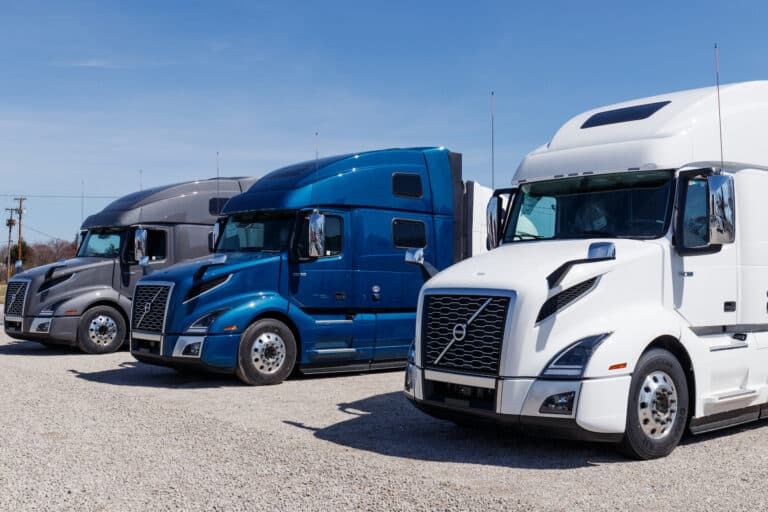
Trucks Lined up for Sale
GPS Fleet Tracking Tips
Unlocking Efficiency with Fleet Tracking Solutions

GPS tracking has transformed fleet management, enabling businesses to streamline operations, boost productivity, and, ultimately, increase profitability. In this article, we will discuss fleet tracking solutions, their benefits, functionality, choosing the right one, and the integration of GPS and electronic

Read More »

REQUEST CALLBACK

Fill out the form to find the right options for your needs

Or Call 650-405-3372

Request submited successfully

Your information has been submitted. We will contact you shortly.