
How to Choose the Best GPS Tracker
Decision makers must consider several factors and find a practical and well-suited solution to make the most out of a GPS tracker for commercial vehicles. Here are some of the most essential qualities to look for in a tracking system:
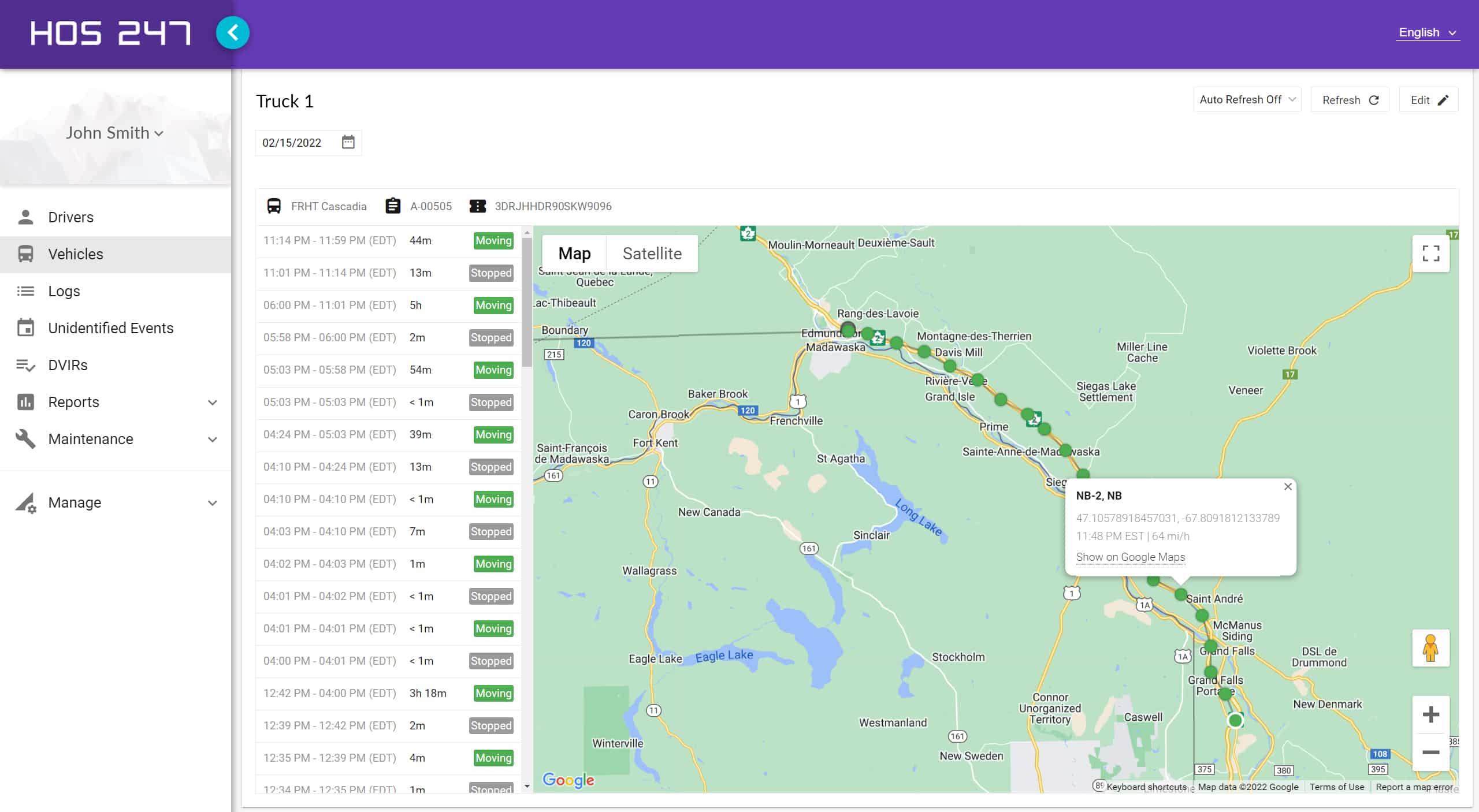
- Real-time tracking.The best GPS tracker should offer real-time location data instead of hourly updates, helping dispatchers control their workload more effectively.
- Compatibility with several vehicle types. Fleets often have several kinds of vehicles. It is important to choose a provider that offers devices that can be connected to each of them.
- Easy installation. If the installation process takes too long or has a fee, the overall cost of the product can rise, and downtime can affect profits. There are quick and straightforward hardware options available that can be installed by the driver.
- Ease of use. User-friendly software is critical. Tracking technology is fairly complex, and users must be able to manage it without any trouble. An intuitive manager portal and interface are key to facilitating the implementation of the system.
- Efficient technical support. Excellent customer support is a must for the best GPS tracker for commercial vehicles. Your provider should assist with how to use the tracker effectively and optimize performance all around. It is also vital to be able to troubleshoot if necessary.
- 4G LTE reliability. While 5G dominates headlines in urban centers, 4G LTE remains the reliable backbone for the transportation industry. Because 4G LTE uses lower-frequency bands that travel further and penetrate obstacles more effectively, it provides more consistent coverage in the rural “dead zones” of the American West where 5G signals often struggle to reach.
- Open API and integrations. A GPS system should not exist in a vacuum. Choosing a provider that offers an open API allows the tracking data to “talk” to other essential business tools. This integration enables automatic syncing between GPS location data, fuel card transactions, and dispatch software, which helps identify fuel fraud and eliminates the need for manual data entry across multiple platforms.
- Trial period or demo. To have a firm grasp of the technology, try to find providers who offer a trial period to ensure that the GPS is right for your trucking business.
- Electronic logging device. If the truck crosses state borders, the driver must comply with the federal ELD mandate, so finding an electronic logbook that provides GPS technology is a smart solution to cover both needs.
Selecting a provider that prioritizes cross-platform communication and network stability ensures that the chosen technology remains an asset rather than a technical bottleneck. By focusing on systems that bridge the gap between rural connectivity and back-office automation, fleet managers can create a more streamlined workflow that supports both drivers on the road and administrators in the office.
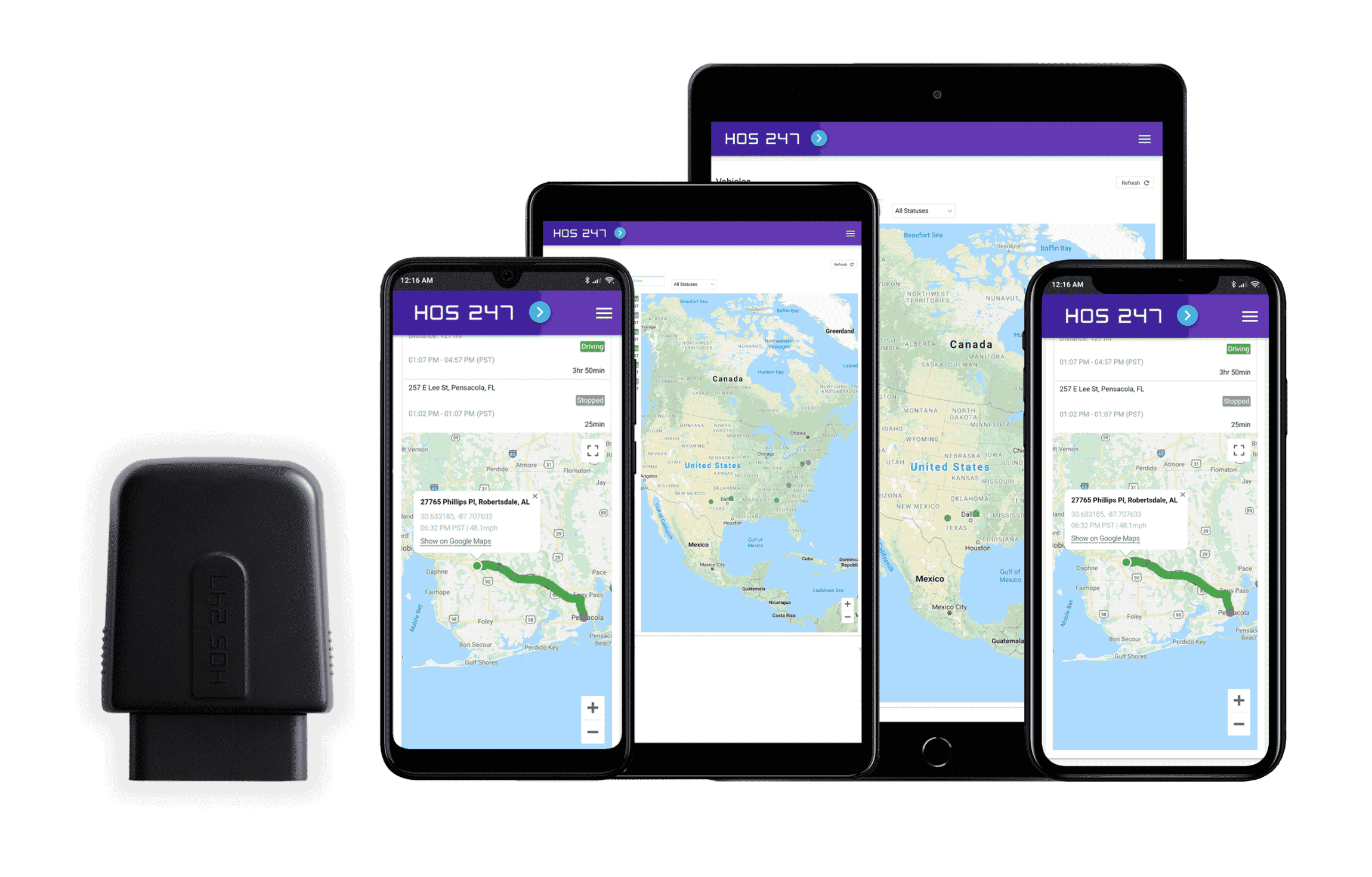
Calculating Your ROI: Turning Expenses into Profits
For many owner-operators and fleet managers, the initial thought regarding new technology is often, “What is this going to cost me?” However, a more strategic question is, “What can this save me?” When you analyze the performance data, a GPS tracker for CMV is designed to function as a high-yield investment rather than a fixed cost. By shifting from reactive management to data-driven decision-making, trucking businesses have the opportunity to significantly transform their bottom line.
The Payback Potential: Offsetting the Subscription
To understand the potential Return on Investment (ROI), it is helpful to look at how recovered revenue can outweigh the subscription fee. While a 4G GPS tracking subscription is a modest monthly investment, the “recovered” operational costs can be substantial.
- Fuel efficiency. By identifying excessive idling and reducing out-of-route miles, many long-haul operators find they can reduce fuel waste by a margin that far exceeds the monthly cost of the hardware.
- Labor optimization. Accurate GPS data streamlines dispatching. By reducing the time spent on “check calls” or coordinating locations between dispatchers and drivers, fleets can recover valuable labor hours that otherwise impact the margin.
- Proactive maintenance. Utilizing diagnostic alerts can help managers address engine issues before they escalate into “catastrophic failures.” Catching a sensor issue early can potentially save the high cost of a roadside service call and the resulting cargo delays.
In these scenarios, the goal of the HOS247 system is to ensure the technology pays for itself many times over through increased operational visibility.
Industry Benchmarks: Measurable Impact
Based on industry trends and fleet performance analytics, the impact of GPS implementation is often immediate. Many fleets that effectively integrate real-time tracking report:
- Significant reductions in fuel spent. Achieving these results through a combination of speed monitoring, optimized routing, and idle-time alerts.
- Improved asset utilization. Knowing the real-time status of every trailer and tractor allows managers to minimize “deadhead” miles and reassign assets with greater precision.
- Potential insurance benefits. Because insurers generally view GPS-equipped fleets as lower risk, many providers offer the possibility of negotiated premium discounts for fleets that maintain high safety scores.
Ultimately, calculating the ROI of a GPS tracking system requires looking beyond the monthly invoice and toward the long-term health of the business. By leveraging these tools to tighten operational waste and protect high-value assets, trucking companies can transition from simply surviving on thin margins to building a more resilient, profitable enterprise. When data is used to drive every turn, the technology stops being a line-item expense and becomes a vital engine for growth.
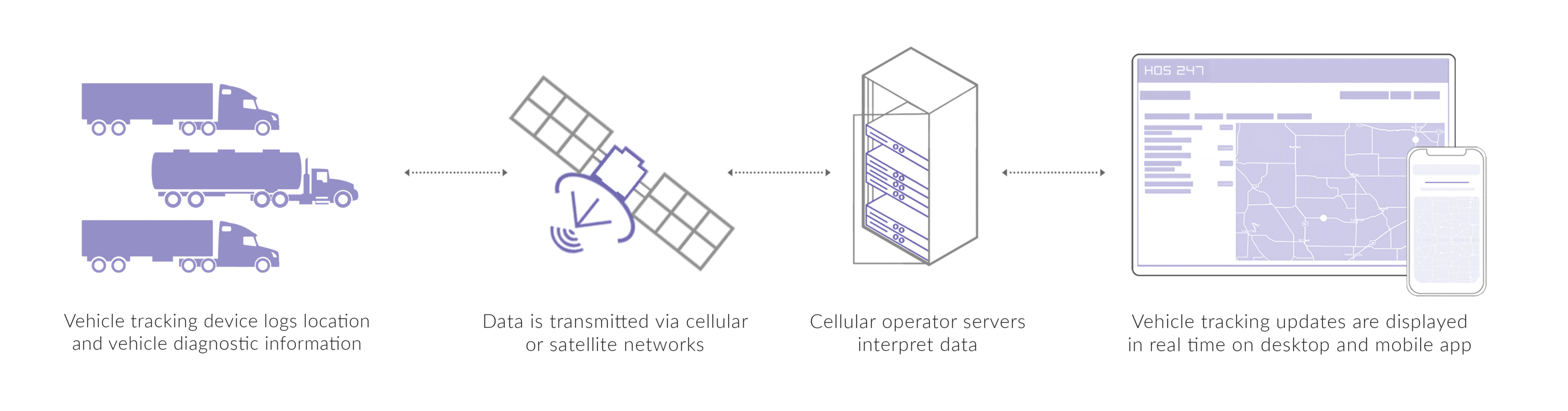
HOS247 4G GPS Tracking System Benefits
HOS247 understands the importance of having a quality commercial vehicles GPS tracker on board. Our team has developed a 4G tracking system that can integrate into an all-in-one fleet management solution. We provide top-rated customer service, offering several practical benefits and bringing additional value to our solution. Our fleet GPS tracking system will improve the fleet’s performance by offering these advantages:
- Cost savings. The insight gained from GPS tracking allows operators to optimize performance and decrease costs significantly.
- Idle time monitoring. Truck drivers can optimize their fuel consumption with the help of their managers by implementing strategies to keep idling to a minimum.
- Optimized routes. GPS tracking allows drivers to plan ahead and save time by avoiding delays caused by traffic or accidents.
- Protected assets. Tracking devices help recover stolen vehicles, preventing massive losses.
- Ease of use. The HOS247 GPS tracker software can be downloaded from an internet browser like any standard program. The fleet manager can then log in and the interface will be ready for use.
- Real-time connectivity. While the industry standard often relies on 2-minute updates, the HOS247 system offers a 30-second ping rate. This high-frequency data ensures dispatchers have a near-instantaneous view of the fleet, allowing for more precise arrival estimates and quicker responses to route changes.
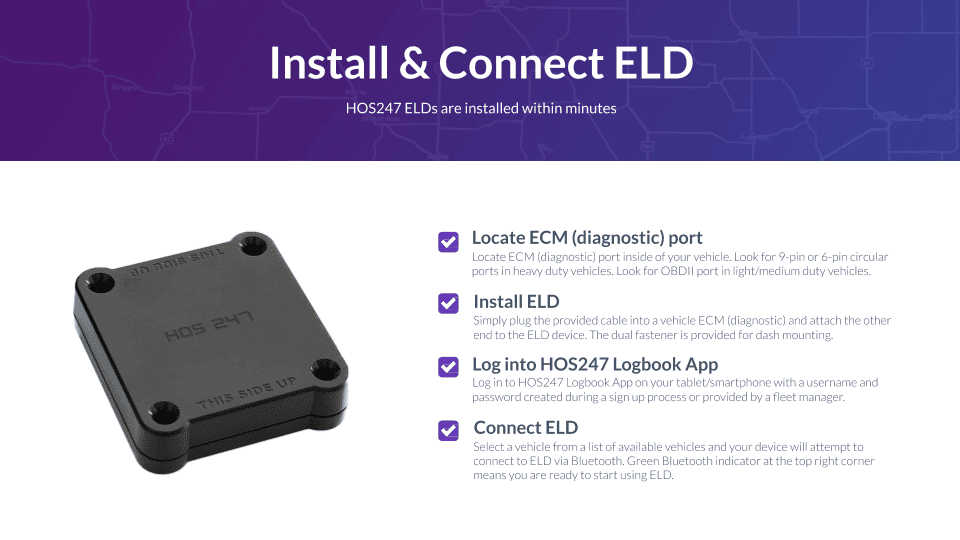
- Fast installation. The 4G GPS tracker for commercial vehicles is a small device; it can be easily installed by the staff. There is no need to bring a technician in, and there are no charges for installation or activation.
- Visible operations. Real-time GPS data enhances fleet visibility and reveals opportunities to improve operations, help dispatchers be more efficient when assigning loads, and raise the level of accountability.
These technical advantages ensure that fleet managers are never working with outdated information. By prioritizing faster refresh rates and seamless installation, HOS247 provides the high-resolution visibility necessary to maintain a competitive edge in modern logistics.
Advanced Features: Future Tech Standards
As technology advances, the definition of a “GPS tracker” has evolved. It is no longer just a dot on a map; it is the central nervous system of the vehicle. To stay competitive, trucking companies are adopting advanced features that leverage Artificial Intelligence and real-time connectivity.
AI Video Telematics: The Digital Co-Pilot
One of the most significant leaps in fleet management is the integration of AI-powered dashcams with GPS data. These systems do more than just record; they act as a real-time coach.
- Fatigue and distraction detection. AI sensors can detect signs of driver drowsiness or distracted behavior (such as phone use) and provide an in-cab alert to prevent an accident before it happens.
- Exoneration. In the event of an accident, having high-definition video synced with GPS speed and location data provides ironclad evidence to protect drivers from false claims.
Predictive Uptime: Eliminating Roadside Breakdowns
The HOS247 system uses diagnostic data to move from “preventative” to “predictive” maintenance. Instead of waiting for a Check Engine light to turn on, the system monitors fault codes and engine performance trends. By identifying a failing alternator or a clogged DPF filter weeks before it fails, you can schedule the repair during a planned layover, ensuring the truck stays on the road when it matters most.
Smart Geofencing: Winning the Detention Time Battle
Detention time is a major pain point for truckers. Smart geofencing allows you to draw virtual boundaries around warehouses and shipping hubs.
- Automated timestamps. The system automatically records exactly when a truck enters and leaves a facility.
- Dispute resolution. This objective, third-party data is vital for resolving detention time disputes with shippers. When you have a digital record proving the driver was stuck at the dock for six hours, getting paid for that time becomes a matter of data, not debate.
The transition toward these advanced technical standards marks a shift from simple location monitoring to a comprehensive, data-driven ecosystem. By integrating real-time AI coaching, predictive diagnostics, and automated arrival verification, fleets can minimize the human error and administrative friction that traditionally drain profitability. Adopting these future-facing features ensures that a trucking company remains both competitive and compliant in an increasingly automated logistics landscape.
HOS247 Is an All-In-One Fleet Management Solution
By combining several technology-based functions into a single system, the GPS tracker for commercial vehicles can work off other features and further boost productivity and safety. HOS247 values the performance of its products and offers a wide array of benefits, advantages, and additional features to ensure a quality experience for its clients.
The advanced, all-in-one fleet management system has earned the trust of trucking businesses of all sizes all around the country. HOS247’s fleet management services include:
- Electronic logbook. Aside from achieving compliance with the mandate, an ELD system collects accurate RODS data, minimizing administrative burdens, lowering insurance premiums, and boosting overall efficiency.
- IFTA calculations. Miles driven per jurisdiction are calculated automatically, streamlining complex calculations and reducing the chances of being audited.
- Vehicle maintenance. Routine maintenance is crucial to optimize vehicle performance and extend useful life. An all-in-one fleet management system can send preventive and periodic maintenance reminders for each vehicle. The system will keep a service schedule and records to ease managers’ workload.
- Fault code detection. The system will notify drivers if an engine problem is detected, allowing issues to be dealt with before they become dangerous.
- Automatic idle tracking. This feature increases fleet efficiency and driver productivity by reducing fuel waste caused by idling, and reduces the carbon footprint. Companies can monitor idling incidences to issue incentives and rewards.
Consolidating these vital functions into a single dashboard allows carriers to eliminate the fragmentation that often hinders growth. By bridging the gap between mechanical health and regulatory compliance, this integrated approach provides the high-definition visibility required to scale operations with confidence. This synergy ensures that every mile driven contributes not only to the immediate bottom line but also to the long-term sustainability of the fleet.
HOS247 Customer Care Policies
At HOS247, we are dedicated to our customers. We give our best daily to provide a quality service so our customers can focus on strengthening their business.
- Reliability. We work hard to provide an efficient service. Our company’s staple is a customer-centric approach to AI-powered tools for the transportation industry.
- Multilingual expertise. The US trucking workforce is incredibly diverse, and communication should never be a barrier to compliance. We provide professional technical support in English, Spanish, Russian, and Polish seven days a week, for drivers and managers to get the help they need in their preferred language.
- Callback policy. We will never leave you hanging. HOS247 offers multilingual technical support Monday through Sunday to help with troubleshooting, compliance questions, and the everyday use of our devices.
- No contract policy. We do not lock customers into long-term contracts. Instead, we offer subscription plans that can be paid for on a monthly or yearly basis. Depending on the client’s preference, plans can be scaled up or down (or even canceled).
- One-year hardware replacement warranty. We stand behind our product. Our devices are guaranteed to work seamlessly for at least one year. If they don’t, we will provide a free replacement.
- Two-week trial and demos. We provide all the info needed. Before subscribing to our services, you can request a demo or test our products for two weeks to ensure they are the right fit for your business.
If you are looking for a GPS, ELD, or fleet management provider, take a look at our customer’s reviews on app distribution platforms. Truckers appreciate the reliability of the HOS247 logbook and customer service team. You can request a demo or trial and check out our prices here.
The Driver Perspective: Promoting a Culture of Safety
The most successful fleet managers know that technology is only as good as the people using it. While some drivers may initially be skeptical of GPS tracking, it is important to frame these tools as a means of support and protection rather than mere “surveillance.”
Driver Scorecards: Rewarding Excellence
Rather than using data only to catch mistakes, top-performing fleets use Driver Scorecards to gamify safety and efficiency.
- Fair metrics. Scorecards rank drivers based on objective data like smooth braking, adherence to speed limits, and idle reduction.
- Incentive programs. Many HOS247 clients use these rankings to distribute monthly bonuses or “Driver of the Month” awards. This turns safety into a point of pride and a financial opportunity for the driver.
Privacy Protocols: Protecting the Professional
It is crucial to communicate that GPS tracking is a tool for driver protection. In a world of predatory “nuclear verdicts” and aggressive litigation against trucking companies, the GPS record is the driver’s best friend.
- Accurate pay. GPS ensures that every mile driven and every hour spent waiting at a terminal is documented and paid correctly.
- Safety and rescue. In the event of a medical emergency or a mechanical breakdown in a remote area, the GPS tracker allows emergency services to find the driver instantly, even if they can’t provide their exact coordinates.
- Proof of compliance. When a driver is following the rules, the data proves it. It removes the stress of “he-said, she-said” during inspections or internal audits.
By fostering a culture where data is used to reward and protect, trucking companies can improve driver retention and create a safer, more professional work environment for everyone on the road.
Frequently Asked Questions (FAQ) about GPS Fleet Trackers

Future-Proofing Your Commercial Fleet
As the logistics industry continues to evolve, the adoption of high-resolution tracking technology has shifted from a luxury to a fundamental requirement. Operating without the insights provided by real-time data is no longer a viable strategy in an environment defined by fluctuating fuel costs, strict regulatory oversight, and the constant threat of legal liability. Investing in a robust GPS tracker for commercial vehicles is more than just a security measure; it is the price of entry for any trucking business that intends to remain profitable and resilient in a highly competitive market.
By centralizing location data, engine diagnostics, and driver safety metrics into a single, cohesive system, carriers can navigate the complexities of modern transportation with greater precision. The ability to defend against false claims, recover stolen assets, and optimize every gallon of fuel ensures that the business is protected from the common pitfalls that drain margins. Ultimately, future-proofing a fleet means moving away from guesswork and embracing a culture of transparency that benefits the driver, the dispatcher, and the bottom line alike.
Ready to see how data-driven visibility can transform your operations? Request a 14-day risk-free demo with HOS247 today and see the potential savings for your fleet first-hand.

I’ve co-founded, built and managed several transportation-related businesses. Now, I’m a founder and CEO of HOS247 – an AI Transportation Platform for trucking companies, freight brokers and other logistics operations. We are transitioning old-style operations to technology-advanced logistics entities and help them to grow their businesses. ELDs (electronic logging devices), fleet tracking and management 2.0 combined with AI-powered dispatch tools.








The trucking industry operates on tight schedules, narrow margins, and the need for maximum safety. In such a complex and demanding environment, having the right tools can make all the difference. One such tool is truck tracking software, powered by

An electronic logging device is a federally mandated device for most commercial driver license holders who must maintain records of duty status. These devices help monitor the drivers’ time on the road to meet hours of service compliance. HOS247 is

You’re cruising down the highway when your ELD app crashes — again. Sound familiar? If you’re like thousands of truck drivers across America, you’ve probably dealt with unreliable electronic logging devices that promise the world but deliver headaches. Finding an